Gas grills dominate American backyards because they're fast, predictable, and easy to live with. Push a button, wait five minutes, cook dinner, close the lid. This hub pulls together every gas-grill resource — entry-level Spirits, mid-range Genesises, premium Napoleons, plus the comparisons, weeknight recipes, and maintenance how-tos that keep them running.
What to look for in a gas grill
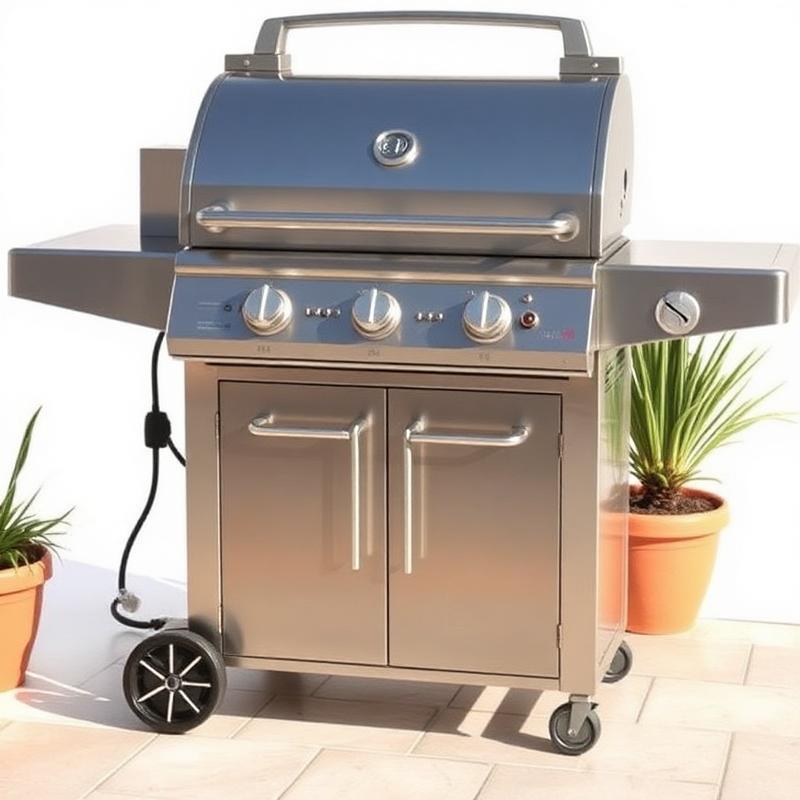
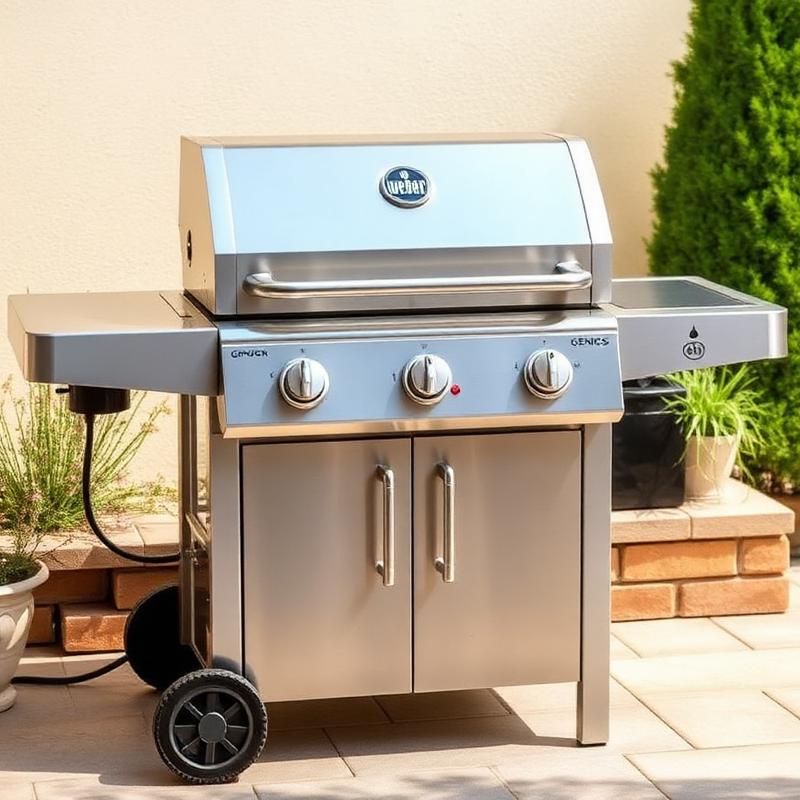
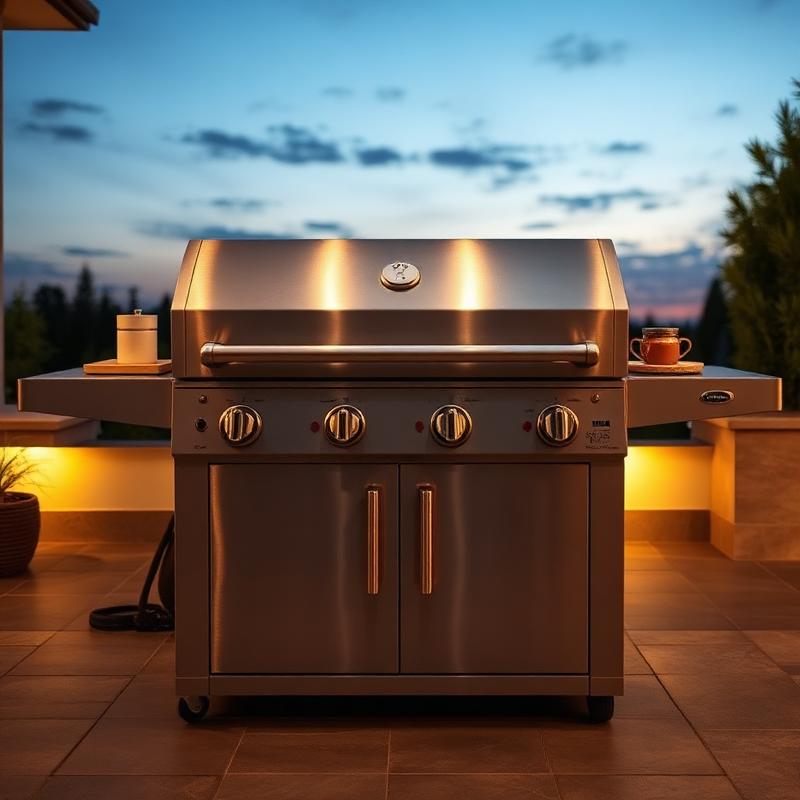
BTU output is the most over-marketed spec in grilling — even heat distribution matters more than raw power. Look for 304-grade stainless construction (430-grade rusts faster), three to four burners for most families, and quality flavorizer bars or heat plates above the burners. A quality cast-iron grate sears better than a thin stainless one.
Propane vs natural gas
Propane is portable and produces slightly hotter flames per BTU. Natural gas means never running out mid-cook but requires a permanent gas line and a model with the right orifices. Most gas grills can be converted between fuel types with a kit, but it voids the warranty on many brands.
Maintenance that doubles your grill's life
Burn off and brush after every cook. Deep clean the burners and grease tray every 3–4 months. Replace flavorizer bars every 2–3 years. Check the gas connections with soapy water annually. Cover the grill when it's not in use. Do these five things and you'll get 15+ years out of a $500 gas grill.
Every gas grills review on the site
33 models tested
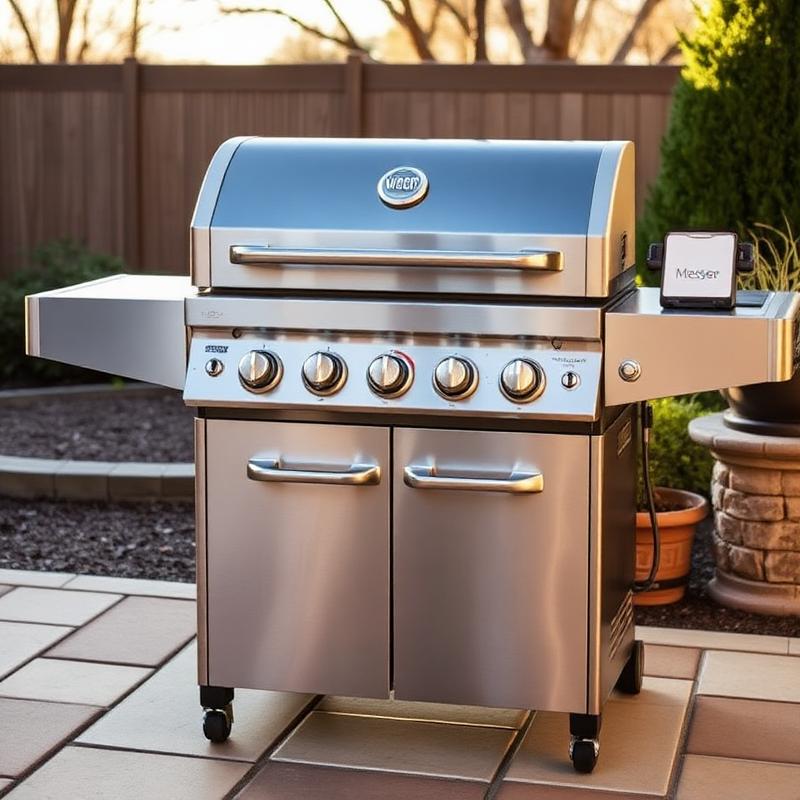
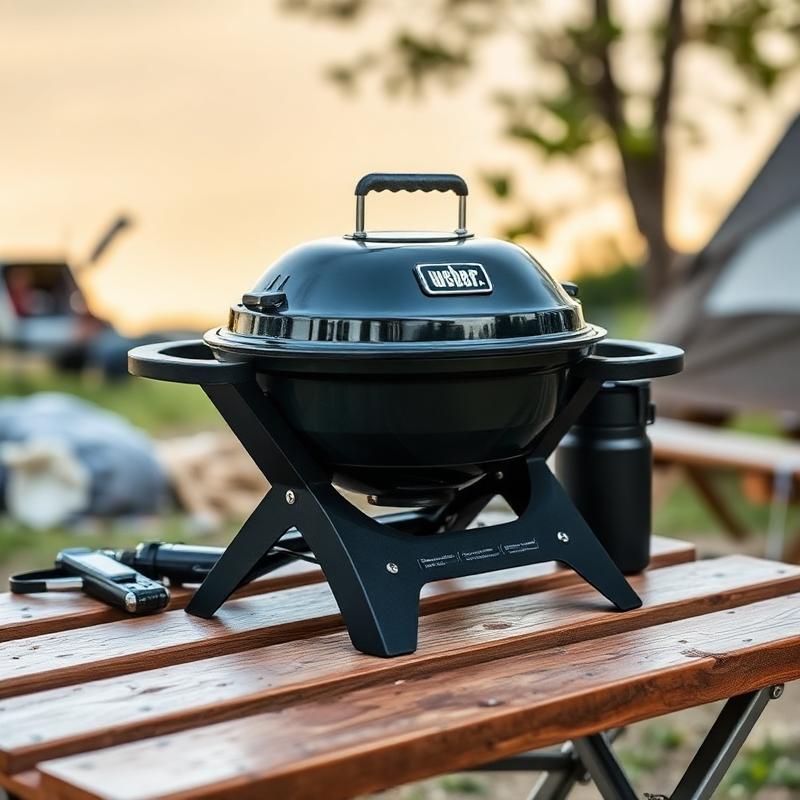
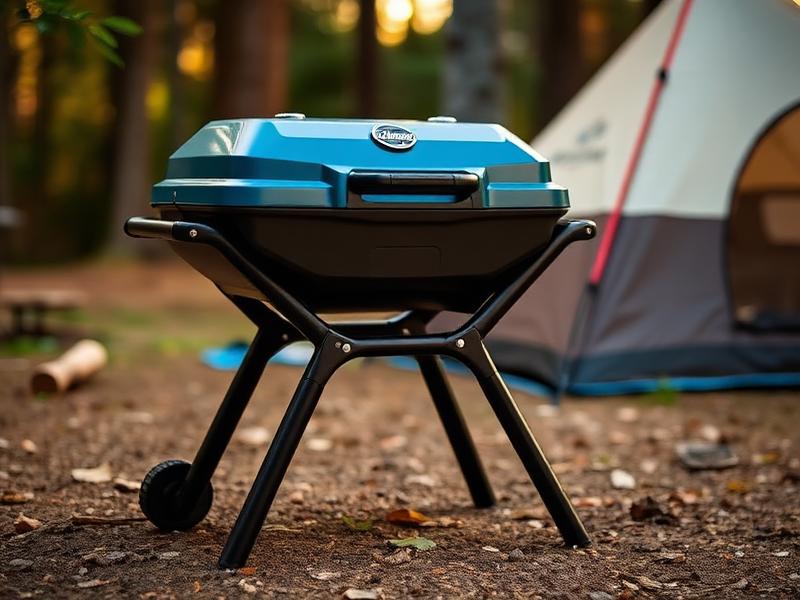
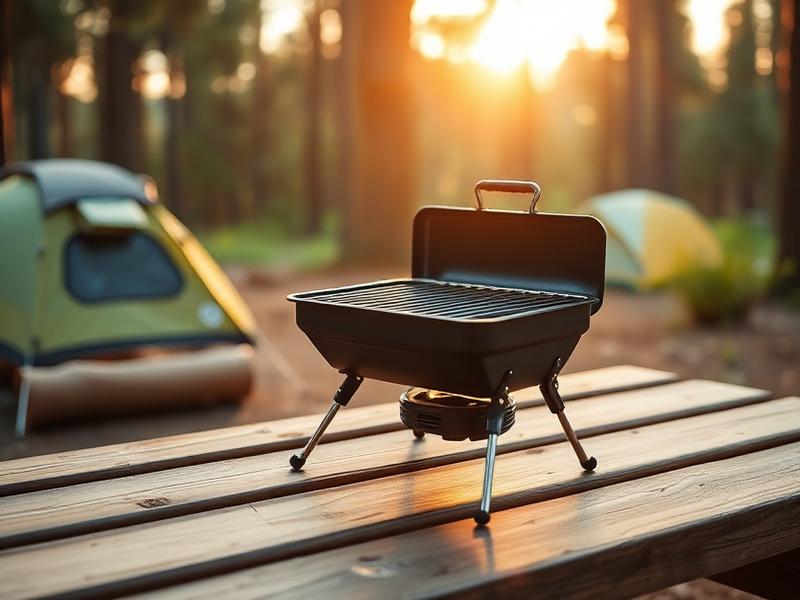
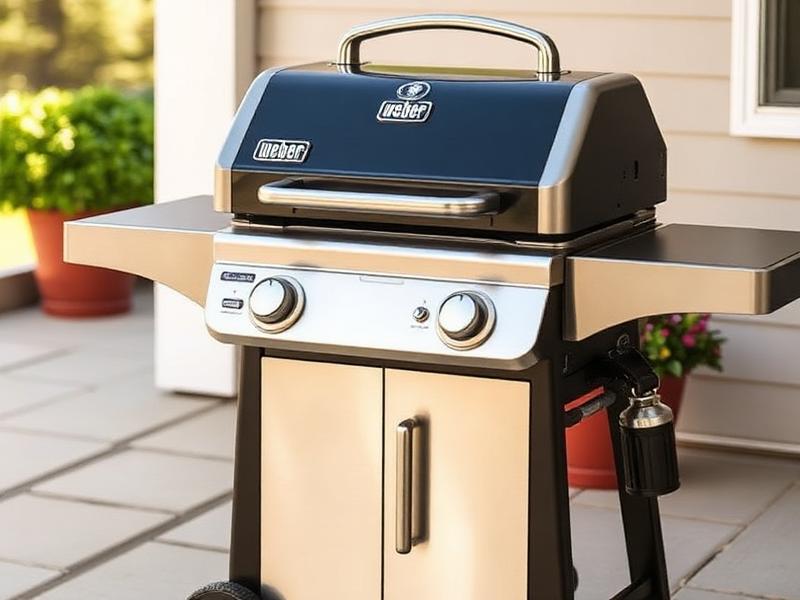
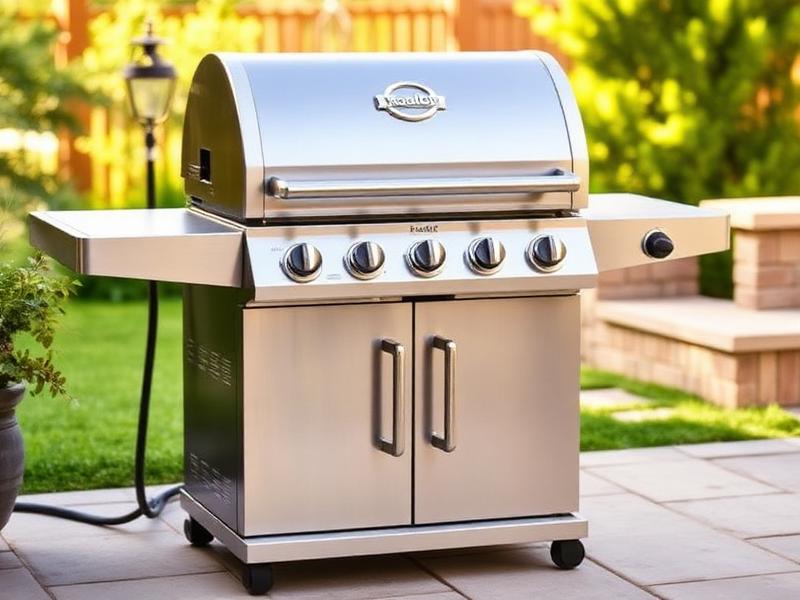
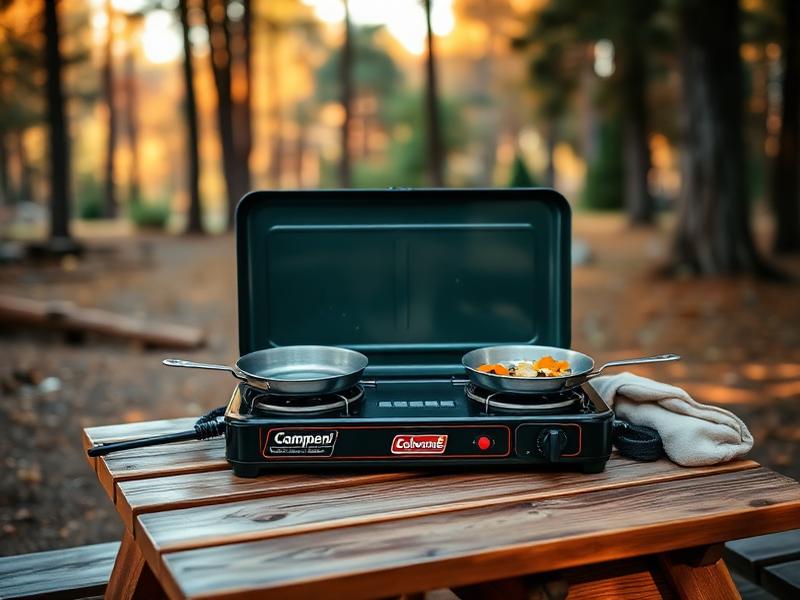
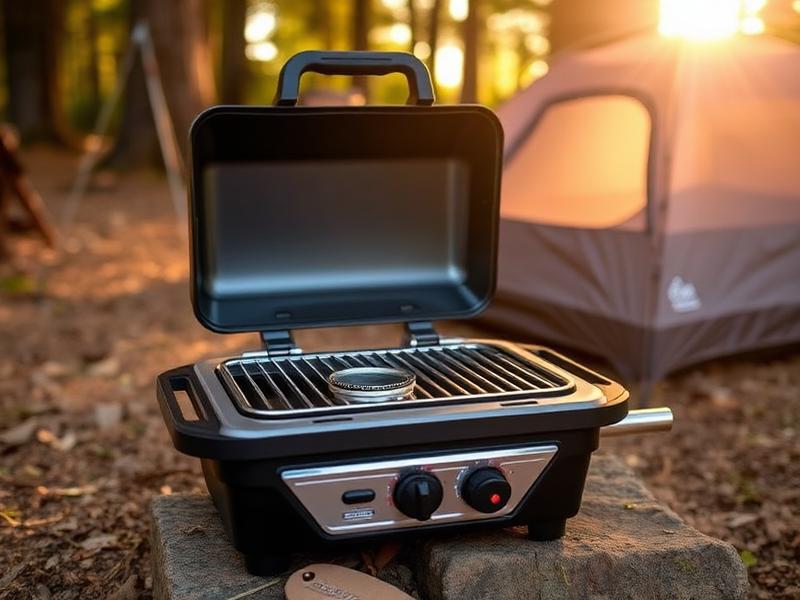
Buyer's guides & long-reads
Buyer's Guide · Gas
Gas Grill Buyer's Guide
Guide · Comparison · 15 min read
Gas vs Charcoal vs Pellet: The Definitive Comparison
The debate that divides every backyard. Here's the honest breakdown after years of cooking on all three.
Guide · Comparison · 10 min read
Propane vs Natural Gas Grills: Which Should You Buy?
The fuel choice that locks you in for a decade. Here's the honest breakdown of cost, convenience, and performance.
Guide · Pillar Guide · 18 min read
The Smoker Maintenance Bible
How to make your smoker last 15 years instead of 3 — cleaning schedules, rust prevention, gasket replacement, and the maintenance mistakes that destroy grills.
Guide · Pillar Guide · 24 min read
The Complete Outdoor Kitchen Planning Guide
From budgeting to layout to gas lines to weatherproofing. Everything you need to plan an outdoor kitchen that lasts 20 years and doesn't bankrupt you.
Guide · Accessories · 8 min read
Best Grill Covers: What Actually Protects Your Grill
Cheap covers shred in one season. Here are the covers worth buying — for kettles, gas grills, kamados, and pellet smokers.
Guide · Accessories · 6 min read
Best Smoke Tubes: Add Real Wood Smoke to Any Grill
A $20 perforated stainless steel tube turns a gas grill into a smoker. Here's which one to buy and how to use it.
Head-to-head comparisons
- Weber Spirit vs. Genesis
- Blackstone Griddle vs. Traditional Gas Grill
- Weber Genesis vs. Napoleon Prestige
- Napoleon Phantom vs. Weber Genesis SPX
- Weber Genesis vs. Traeger Pro 575
- Weber Q vs. Coleman RoadTrip
- Weber Summit S-470 vs. Genesis E-325s
- Weber Summit S-470 vs. Napoleon Prestige 500
- BeefEater Signature 3000E vs. Weber Genesis E-325s
- Napoleon Rogue XT 525 vs. Weber Spirit E-310
- Weber Q 1200 vs. Coleman RoadTrip 285 vs. Cuisinart Petit Gourmet
- Char-Broil Performance vs. Weber Spirit
- Weber Genesis SPX vs. Summit S-470
- Weber Genesis E-435 vs. Broil King Regal S490
- Ooni Koda 12 vs. Koda 16
- Char-Broil Amplifire Infrared vs. Weber Spirit
- Weber Genesis S-435 vs. Bull Angus
- Weber Summit E-670 vs. Napoleon Prestige 500
- Weber Genesis SPX-435 vs. Napoleon Prestige Pro 500
- Weber Spirit II E-310 vs. Spirit E-315
- Pellet Grill vs. Gas Grill
- Camp Chef Apex 36 vs. Traeger Timberline XL
Recipes for this cooker

Intermediate · 45 minutes
Reverse Sear Ribeye

Easy · 45 minutes
Crispy Grilled Chicken Wings

Easy · 30 minutes (plus chimichurri prep)
Argentinian Chimichurri Steak

Easy · 30 minutes (plus 4-hour marinade)
Korean BBQ Short Ribs (Galbi)

Easy · 20 minutes
Grilled Lamb Chops with Herb Crust

Intermediate · 30 minutes
Grilled Fish Tacos with Chipotle Crema

Advanced · 45 minutes (plus dough rise)
Grilled Pizza from Scratch
Intermediate · 1.5 hours
Grilled Tomahawk Steak

Easy · 30 min + 4 hr marinade
Grilled Flank Steak with Garlic Marinade

Easy · 1 hour
Grilled Spatchcock Chicken
Easy · 30 minutes
Grilled Pork Tenderloin

Easy · 15 minutes
Grilled Avocado

Easy · 15 minutes
Grilled Watermelon

Easy · 20 minutes
Grilled Peaches
Easy · 30 minutes
Grilled Naan Bread
Maintenance & how-tos
- How to Replace Gas Grill Burners and Burner Tubes
- How to Replace a Kamado Gasket
- How to Fix a Gas Grill That Won't Heat Up
- How to Fix Hot Spots and Uneven Heat on a Gas Grill
- How to Fix a Gas Grill Igniter That Won't Click
- How to Break In a New Gas Grill
- How to Restore an In-Ground Gas Grill
- How to Stop White Smoke Coming From Your Grill
- How to Fix Low Flame on a Gas Grill
- How to Smoke Meat Without a Smoker
- How to Control Temperature on a Charcoal Grill
- How to Convert a Propane Grill to Natural Gas
Key terms
Reverse Sear
Cooking a thick steak slowly at low heat first, then finishing with a hot sear for a perfect edge-to-edge cook.
Direct Heat
Cooking food directly over the fire for searing, char, and quick weeknight grilling.
Maillard Reaction
The browning chemistry that creates seared crust, deep flavor, and complex aromas on grilled meat.
From around the web
Frequently asked
How many BTUs do I actually need?
Are infrared sear burners worth it?
How long should a gas grill last?
Why do my flames look uneven?
Other topic hubs