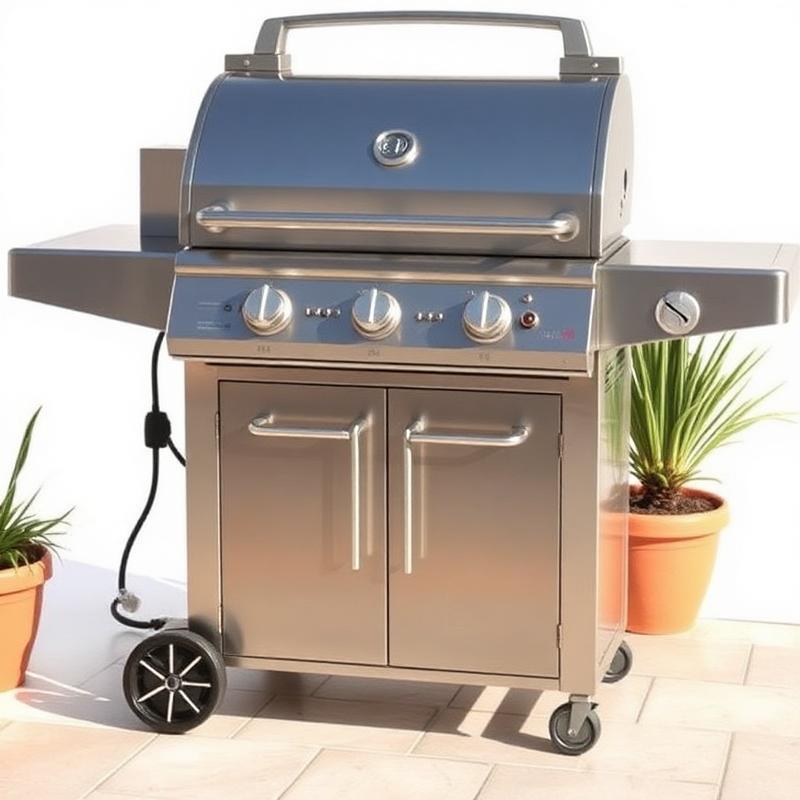
 #1Best Overall
Gas Grill$449
Weber Spirit E-310
4.5
The benchmark gas grill at $449. Three burners, even heat, 10-year warranty, and the part availability to outlast your house.
Gas Grill Buyer's Guide
Gas grills are the workhorse of American backyards for good reason: instant ignition, precise heat, and minimal cleanup. But the spec war between brands has gotten ridiculous — BTU numbers are mostly marketing, burner counts don't equal capability, and 'stainless steel' covers everything from premium 304-grade to thin 430-grade that rusts in two seasons. Here's what actually separates a great gas grill from a $300 disappointment, and the specific models worth buying.
The Verdict
The Weber Spirit E-310 is the right answer for 80% of buyers — three burners, real Weber build quality, $449. If you sear steaks regularly, upgrade to the Genesis E-325s for the Sear Station. If you want infrared sides and rotisserie, the Napoleon Prestige 500 is the premium pick. Avoid no-name 6-burner monsters at warehouse stores — thin steel, weak welds, replaced in three years.
Top Picks
#1Best OverallThe benchmark gas grill at $449. Three burners, even heat, 10-year warranty, and the part availability to outlast your house.
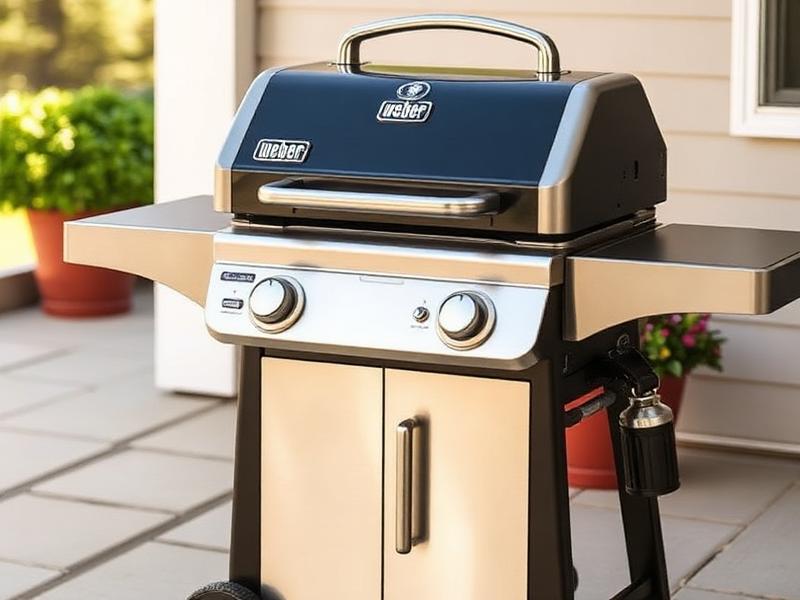 #2Best Compact
Two burners, small footprint, full Weber quality. Perfect for couples, balconies, or smaller patios.
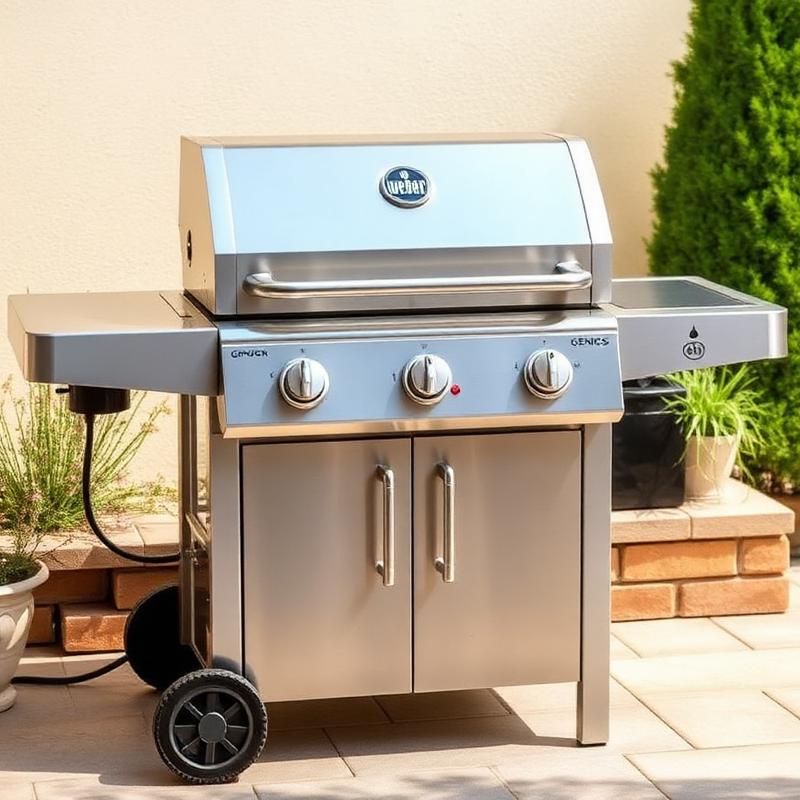 #3Best Mid-Range
Sear Station, larger cooking area, premium materials. The grill most Spirit owners eventually upgrade to.
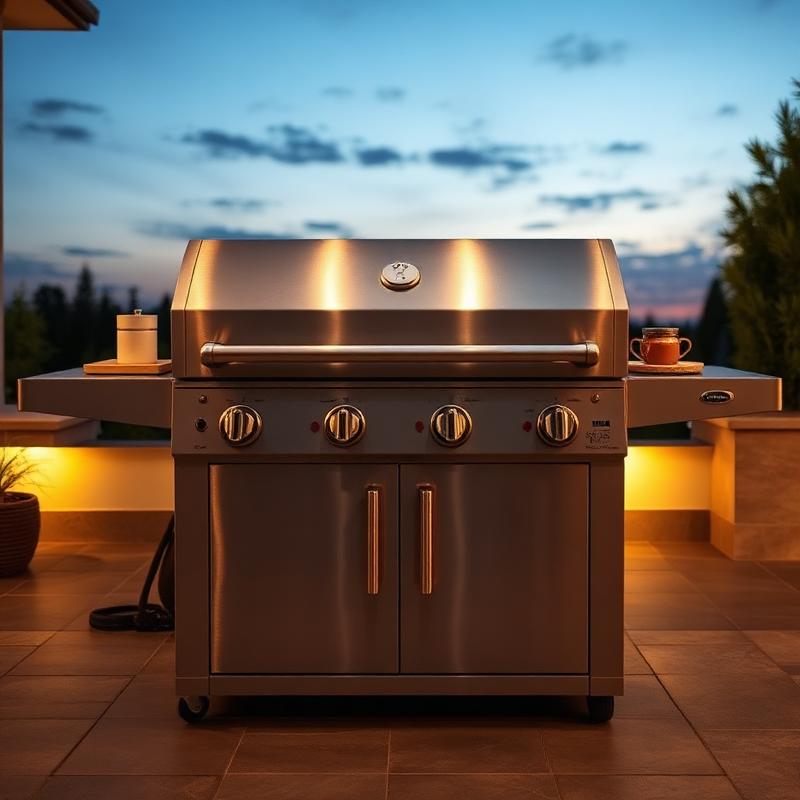 #4Premium Pick
Infrared rear and side burners, rotisserie kit, and tank-grade build quality. The grill nerd's choice.
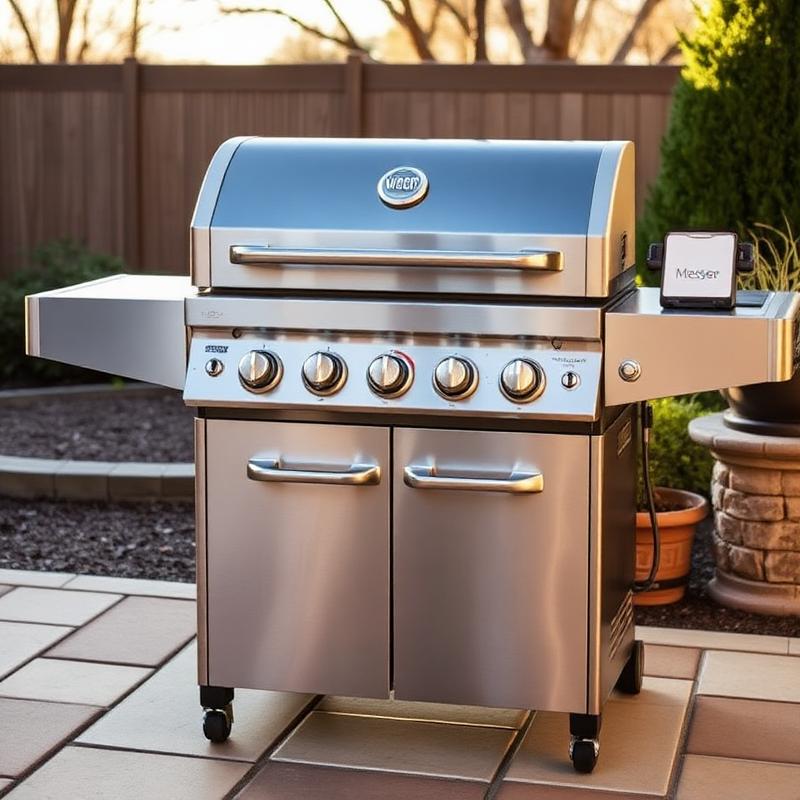 #5Top of the Line
Weber's flagship — Sear Station, side burner, Weber Connect smart hub, and the best gas grill Weber sells under $2,000.
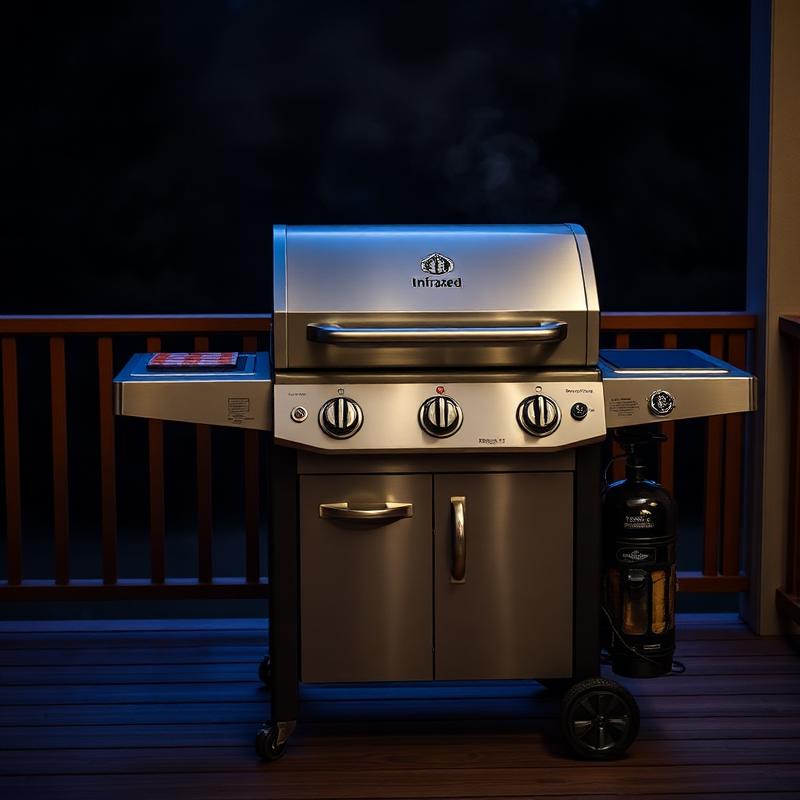 #6Best Value 5-Burner
Five burners, infrared sear zone, ceramic searing system at half the price of comparable Webers.
What to Look For
Total BTU output is meaningless without context. A 60,000 BTU grill with poor heat distribution cooks worse than a 36,000 BTU Weber. What matters: BTUs per square inch (target 80–100), how the burners are arranged, and how the heat shields distribute that heat. Weber publishes lower BTU numbers because their grills don't waste energy.
304-grade stainless steel resists rust for 15+ years. 430-grade rusts within 2–3 seasons in humid climates. Painted steel is fine if you cover the grill. Cast aluminum (PK Grills) is the rust-proof premium option. If a manufacturer doesn't specify the grade, assume it's the cheaper grade.
Three quality burners outperform six cheap ones. More burners means more failure points and more uneven heat. Three burners suit families of 4–6. Four burners suit regular entertainers. Five+ is overkill for backyard use unless you're cooking for 12+ regularly.
Battery-powered electronic igniters fail. Piezo igniters (mechanical click) last 10+ years. Crossover/flash tube ignition (one ignites the next) is the most reliable system. If a grill uses a single battery-powered igniter for all burners, expect to replace it within 3 years.
Weber's 10-year warranty covers burners, lid, cookbox, grates, and flavorizer bars. Many competitors offer '10-year' warranties that only cover the cookbox. Read the fine print — what's covered for how long? A 10-year cookbox + 5-year burners + 1-year everything else is a common deceptive structure.
| Tier | Range | Who It's For |
|---|---|---|
| Entry | $300–$500 | Couples and small families. Weber Spirit II E-210, Char-Broil Performance TRU-Infrared, Nexgrill Evolution. |
| Mid | $500–$1,000 | Active families and regular entertainers. Weber Spirit E-310, Weber Genesis E-325s, Napoleon Rogue XT 425. |
| Premium | $1,200–$2,000 | Serious cooks and outdoor kitchen builds. Weber Genesis SPX-435, Napoleon Prestige 500, Napoleon Phantom Prestige. |
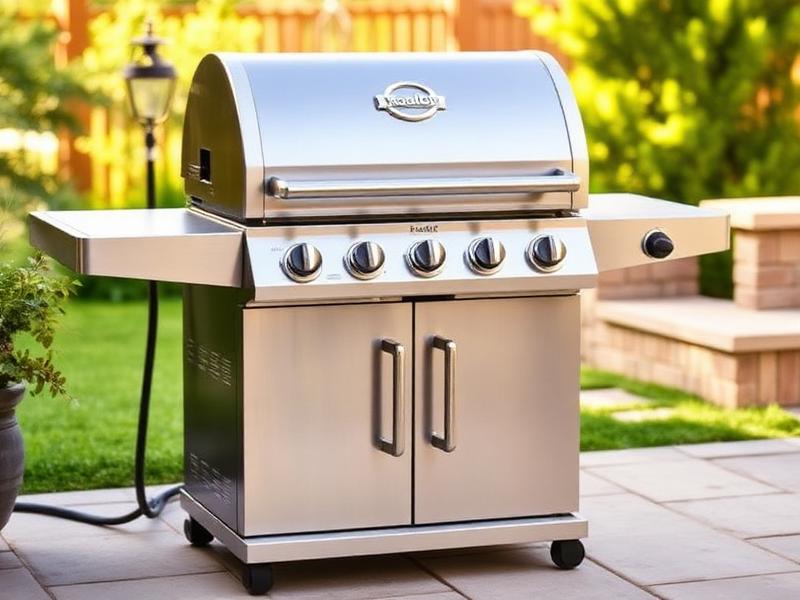
No Flare-Ups
$369
Enthusiast's Choice
$749
Premium Flagship
$2,899
Best Value Built-In
$1,499
Best Looking Built-In
$1,899
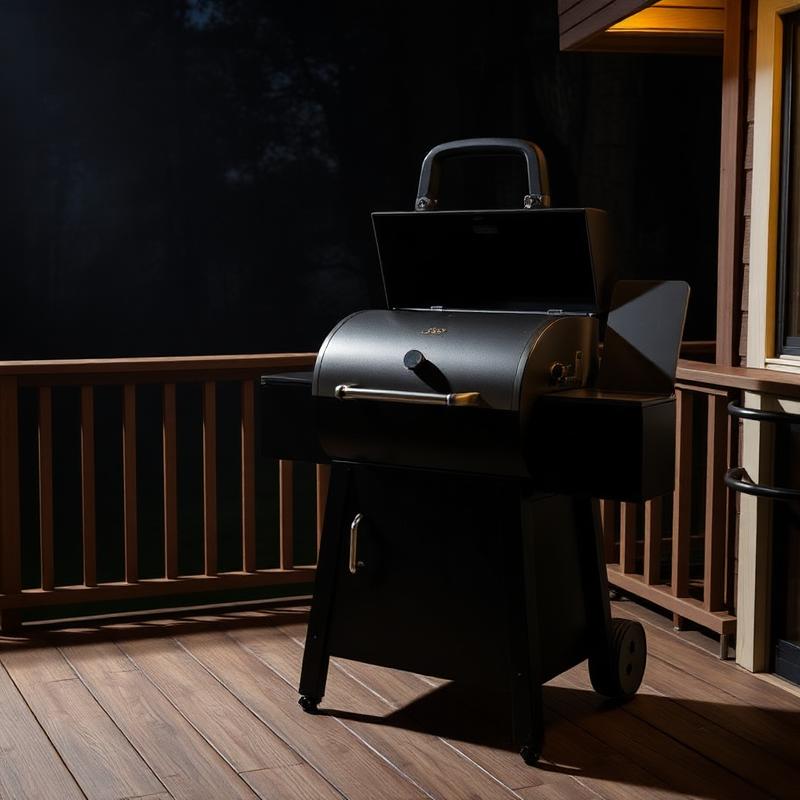
Best Aussie Gas
$1,299
Go Deeper

The ultimate "should I spend the extra money" question. We break down exactly what that upgrade gets you — and whether it's worth it for your cooking style.
ReadThe two best gas grills in the $1,000-1,500 range go head to head. Build quality, features, warranty, and cooking performance compared.
Read
The complete propane vs natural gas grills guide: cost per BTU, installation, performance, safety, conversion kits, and which fuel actually wins for your patio.
Read
Perfect for beginners trying to decide on their primary outdoor cooker. Two completely different cooking experiences compared side by side.
ReadThe Weber 22" Original Kettle Premium ($175) is the most-recommended grill in BBQ history for a reason — versatile, indestructible, and dirt-cheap. If you want cast aluminum that n
ReadThe Kamado Joe Classic III is the best out-of-box kamado experience — Divide & Conquer, SloRoller, air lift hinge. The Big Green Egg Large is $300 cheaper, has the larger accessory
Read