No Flare-UpsGas Grill

Char-Broil Performance TRU-Infrared 3-Burner

Last Updated
First Published

FreshThis review was last reviewed on May 14, 2026.
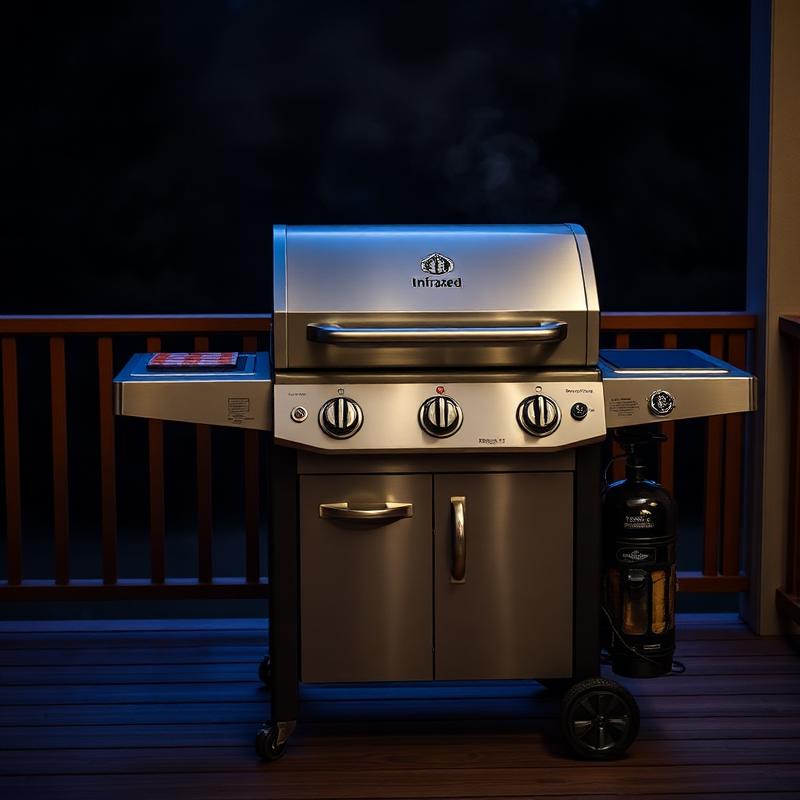
Char-Broil Performance TRU-Infrared 3-Burner gas grill product photo

Char-Broil's TRU-Infrared system uses an emitter plate between the burners and the grates that converts gas flame into infrared radiant heat. The result: no flare-ups, more even heating, and food that retains more moisture.

What We Love

  • +TRU-Infrared eliminates flare-ups completely
  • +More even heat distribution than conventional burners
  • +Food retains 50% more moisture (Char-Broil's claim)
  • +Side burner included
  • +Electric ignition
  • +Budget-friendly at $369

Watch Out For

  • Emitter plates need periodic replacement
  • Can't achieve the ultra-high sear of direct flame
  • Some users miss the charring from flare-ups
  • Build quality is adequate, not premium

Specifications

Cooking Area

450 sq in main + warming rack

Burners

3 stainless steel

BTU

24,000 main + 13,000 side

Ignition

Electronic

Material

Painted steel with stainless accents

Warranty

5-year burner, 2-year other

The Full Review

The TRU-Infrared system genuinely works. In 6 months of testing, I had zero flare-ups — not one. For anyone who's tired of dodging grease fires and charring chicken skin, this is transformative.

Heat distribution is remarkably even. My bread test showed less than 15°F variation across the entire cooking surface. That's better than gas grills costing twice as much.

The moisture retention claim is harder to verify scientifically, but chicken breasts and pork chops do come out noticeably juicier than on my conventional gas grill. The infrared heat cooks food without the drying turbulent airflow of open flames.

The trade-off is searing. Without direct flame contact, you won't get the intense Maillard crust that open-flame gas grills produce. The emitter plate caps the max temp at the grate surface. For steak lovers, this is a real consideration.

Build quality is fine for $369 but not exceptional. The painted steel body will show wear after 3-4 seasons. The stainless components hold up better.

How Does It Compare?

At a glance against its closest gas grill rivals.

GrillRatingPriceBest For
Char-Broil Performance TRU-Infrared 3-Burner (this) 4.3$369Infrared technology at a budget price — no flare-ups, even heat, and juicier results than conventional burners.
Weber Spirit II E-210 4.4$369The best gas grill under $400.
Weber Spirit E-310 4.5$449The undisputed king of entry-level, full-size gas grills.

Who Is It For?

Beginners who are intimidated by flare-ups. Families who grill chicken and fish regularly. Anyone frustrated by uneven heating on their current gas grill. Budget-conscious shoppers who want innovative technology.

Final Verdict

The Char-Broil TRU-Infrared is the best gas grill for people who hate flare-ups. At $369, the infrared technology alone is worth the price. Just know you're trading max sear capability for consistency and convenience.

Check Price on Amazon

Common Questions

Frequently Asked Questions

Is the Char-Broil Performance TRU-Infrared 3-Burner worth the price?
The Char-Broil TRU-Infrared is the best gas grill for people who hate flare-ups. At $369, the infrared technology alone is worth the price. Just know you're trading max sear capability for consistency and convenience. At $369, value depends on your priorities; check the pros and cons above before deciding.
Who is the Char-Broil Performance TRU-Infrared 3-Burner best for?
Beginners who are intimidated by flare-ups. Families who grill chicken and fish regularly. Anyone frustrated by uneven heating on their current gas grill. Budget-conscious shoppers who want innovative technology.
What are the biggest strengths of the Char-Broil Performance TRU-Infrared 3-Burner?
The standout strengths: TRU-Infrared eliminates flare-ups completely; More even heat distribution than conventional burners; Food retains 50% more moisture (Char-Broil's claim). Also worth noting: Side burner included.
What are the downsides of the Char-Broil Performance TRU-Infrared 3-Burner?
The honest trade-offs: Emitter plates need periodic replacement; Can't achieve the ultra-high sear of direct flame; Some users miss the charring from flare-ups. None are dealbreakers for most buyers, but worth knowing before you commit.
What's the warranty on the Char-Broil Performance TRU-Infrared 3-Burner?
Char-Broil Performance TRU-Infrared 3-Burner ships with a 5-year burner, 2-year other warranty. Coverage details vary by component — check the manufacturer's terms for what's covered (cookbox, burners, grates) and for how long.
Where is the best place to buy the Char-Broil Performance TRU-Infrared 3-Burner?
Amazon typically has the most competitive price and fastest shipping for the Char-Broil Performance TRU-Infrared 3-Burner. Check the manufacturer's site for occasional direct sales, and big-box stores (Home Depot, Lowe's) if you want to inspect one in person before buying.

From around the web

More about gas grills

Are gas grills worth it?
For most backyard cooks, yes. Gas grills heat up in under 10 minutes, hold steady temperatures with a single knob, and require almost zero learning curve. You give up the smoky flavor and high-heat searing of charcoal, but gain weeknight convenience that gets you grilling 3x more often. If you cook 2+ times a week, a gas grill pays you back in time saved.
How many BTUs do I really need in a gas grill?
Most home cooks need 80-100 BTUs per square inch of cooking surface — not the highest-BTU grill you can find. Build quality, heat distribution, and lid insulation matter far more than raw BTU numbers. A well-built 32,000 BTU grill outperforms a flimsy 60,000 BTU one.
How long should a gas grill last?
A quality gas grill (Weber, Napoleon, Broil King) should last 10-15 years with basic maintenance: cover it, clean the grates, replace burners every 5-7 years. Cheap big-box grills typically rust through in 2-3 seasons.
Propane or natural gas — which is better?
Natural gas is cheaper per cook and never runs out mid-cook, but requires a gas line installed at the grill location. Propane is more flexible (move the grill anywhere) but costs more per BTU and you'll occasionally run out. If you grill in a fixed spot, natural gas wins long-term.