Coyote C-Series 28-Inch

Last Updated
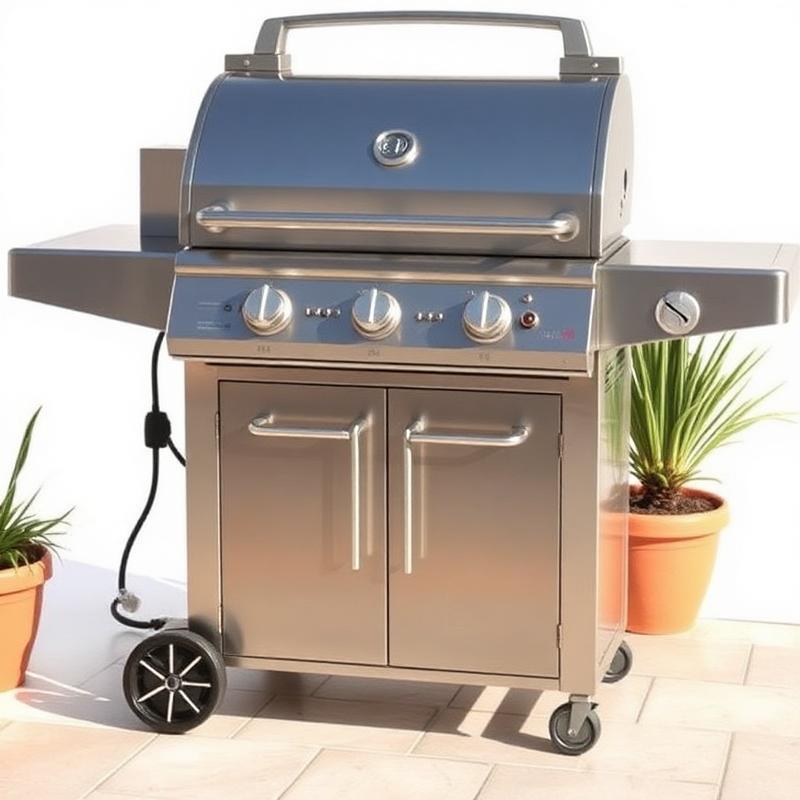
Coyote built its reputation on making outdoor kitchen grills that look like they belong in a high-end design magazine. The C-Series 28-Inch is the entry to the Coyote lineup — 2-burner built-in with infrared ceramic burners, premium fit and finish, and the design language that's made Coyote the favorite of outdoor kitchen designers.
What We Love
- +Ceramic infrared burners get hotter than tube burners
- +Solid 304 stainless construction
- +Signature interior LED lighting
- +Hood closes perfectly square (a surprisingly rare quality)
- +Drip tray slides out for easy cleaning
- +Available in cart version too
Watch Out For
- −Ceramic infrared burners are more delicate than stainless tubes
- −Replacement burners are expensive
- −28-inch is on the small side for serious entertaining
- −No rotisserie included at this price point
Specifications
BTUs
40,000 (two 20,000 BTU ceramic infrared burners)
Cooking Area
493 sq in primary
Burners
2 ceramic infrared
Construction
304 stainless steel
Cutout Required
26.75" x 21.5"
Warranty
Lifetime cooking grates, 5-year burners and body
The Full Review
Coyote understands what most grill brands miss — outdoor kitchens are design objects as much as cooking tools. The C-Series 28 looks expensive in a way the spec sheet doesn't fully explain. The hood is heavy. The handles are solid bar stainless, not stamped tube. The control knobs have weight and detent.
The ceramic infrared burners are a genuine differentiator. They produce more usable heat than tube burners of the same BTU rating because they radiate infrared directly to the food rather than relying on hot air convection. Steaks sear faster, chicken skin crisps better, and you get less drying-out on long cooks.
That said, ceramic infrared has tradeoffs. The burners are more fragile — drop a heavy cast iron pan on them and you can crack a ceramic emitter. Replacement burners run $200-300 each, vs. $50-80 for stainless tubes.
The interior LED lighting is bright, properly color-balanced, and lasts for years. The drip tray slides out from the front, making cleanup actually pleasant. After a year of weekly use, the hood still closes perfectly square — a sign of better-than-average manufacturing tolerances.
28 inches of width is the constraint. Two zones works, but you don't have the surface area for genuine indirect cooking with multiple racks of ribs. If you regularly cook for more than 6 people, step up to the 34-inch.
How Does It Compare?
At a glance against its closest built-in gas grill rivals.
| Grill | Rating | Price | Best For |
|---|---|---|---|
| Coyote C-Series 28-Inch (this) | 4.5 | $1,899 | The most stylish built-in grill under $2,000. |
| Napoleon Phantom Prestige 500 | 4.7 | $1,699 | Napoleon's blackout edition brings the same infrared sear power and rotisserie, now in a stealth aesthetic that dominates the premium gas conversation. |
| Weber Genesis SPX-435 | 4.9 | $1,599 | Weber's flagship gas grill. |
Who Is It For?
Design-conscious outdoor kitchen builders who want the grill to look as good as the rest of the space. Smaller patios where 28 inches is the right size. Anyone who values infrared searing capability.
Final Verdict
If your outdoor kitchen is a design statement, the Coyote C-Series is the right grill. The ceramic infrared burners and premium fit-and-finish justify the $1,899 price tag for the right buyer.
Check Price on Amazon