How to Fix a Gas Grill That Won't Heat Up
Your gas grill fires up but won't get hot enough. Or one burner works while others don't. This is the most common gas grill complaint, and 90% of the time it's caused by one of three things: a tripped regulator, clogged burner ports, or a blocked venturi tube. Here's how to diagnose and fix each one.

Last Updated
Tools & Materials
- Soapy water in a spray bottle
- Toothpick or paper clip
- Pipe cleaner
- Adjustable wrench
Step by Step
Check for a tripped regulator (bypass mode)
This is the #1 cause. If you opened the tank valve before turning on the burners, the regulator trips into bypass mode and limits gas flow to a trickle. Fix: turn off all burners, close the tank valve completely, disconnect the regulator from the tank, wait 30 seconds, reconnect, open the tank valve SLOWLY (1/4 turn), then light the burners. The correct sequence is always: everything off → connect → open tank slowly → then turn on burners.
Check propane level
Obvious but overlooked. Lift the tank — a full 20 lb tank weighs about 38 lbs, an empty one about 18 lbs. Or pour hot water down the side and feel for the cold line where liquid propane sits. If it's nearly empty, swap the tank before troubleshooting further.
Clear clogged burner ports
Turn off the grill completely and let it cool. Remove the cooking grates and Flavorizer bars to expose the burners. Look at the ports (small holes along each burner tube). Clogged ports from grease and spider webs are extremely common. Use a toothpick or paper clip to poke through each port. Never use a drill bit — it enlarges the holes permanently.
Clean the venturi tubes
The venturi tubes are the openings at the front of each burner where gas and air mix. Spiders love nesting inside these tubes (seriously — it's the #1 cause of uneven heating). Remove the burners if possible and look through the venturi openings. Run a pipe cleaner or bottle brush through each tube to clear debris.
Check for gas leaks
Mix dish soap with water in a spray bottle. With the tank connected and valve open (burners off), spray all connections — tank to regulator, regulator to manifold, and each burner valve. Bubbles indicate a leak. Tighten connections with a wrench. If bubbles persist, replace the leaking component — never use a grill with a gas leak.
Test each burner independently
Light each burner one at a time. If only specific burners are weak, the issue is localized to those burner ports or venturi tubes. If all burners are weak, the regulator or tank is the problem. This isolation test saves hours of troubleshooting.
Warnings
- Always perform gas leak tests with soapy water before cooking after any repair. Bubbles = leak = don't use the grill.
- Never use a match or lighter to check for gas leaks. Soapy water only.
- If you smell gas with all burners off and the tank open, you have a serious leak. Close the tank immediately and do not use the grill until repaired.
How Often?
Troubleshoot as needed. Preventive venturi cleaning once a year (especially in spring — spiders nest over winter). Regulator reset whenever you experience low heat after a tank change.
Tools & Products You'll Need
Gas Grill Regulator & Hose $20
Replace a failing regulator
Grill Burner Replacement Set $25
Universal burner tubes for most gas grills
Pipe Cleaners for Venturi $6
Clear spider webs from venturi tubes
Common Questions
Frequently Asked Questions
How long does it take to fix a gas grill that won't heat up?
What tools do I need?
How often should I do this?
What safety issues should I watch for?
Keep Reading
You might also like
How to Fix Hot Spots and Uneven Heat on a Gas Grill
Map your grill's hot spots with the bread test, then fix the causes — clogged ports, warped heat plates, and blocked venturi tubes.
ReadHow to Replace Gas Grill Burners and Burner Tubes
DIY burner tube replacement in under 30 minutes — restore even heat for $20-40.
Read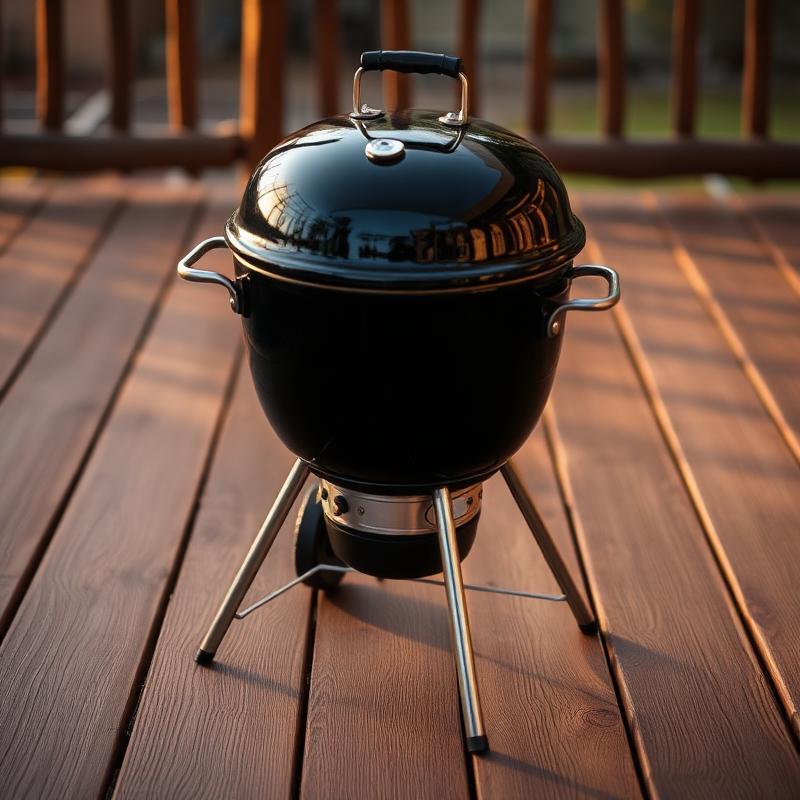
Everdure HUB II Charcoal Grill
Heston Blumenthal's electric-ignition charcoal grill. Lit and ready to cook in 10 minutes — the charcoal grill that finally solves the lighting problem.
Read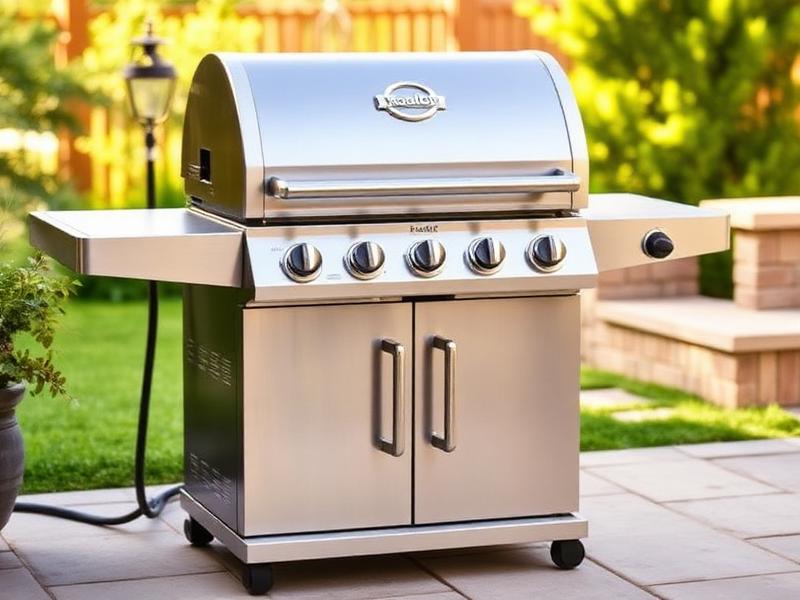
Napoleon Rogue XT 425
The grill enthusiast's gas grill. Infrared side burner, stainless construction, and heat distribution that embarrasses most competitors.
Read
Argentinian Chimichurri Steak
The simplest, most flavorful way to grill steak — salt, fire, and the world's best herb sauce.
Read
Korean BBQ Short Ribs (Galbi)
Sweet, savory, and charred — the ultimate Asian-style grilled beef that cooks in minutes.
Read