How to Fix Hot Spots and Uneven Heat on a Gas Grill
Hot spots and cold zones ruin cookouts — burgers on one side burn while others are raw. Every grill has some variance, even expensive ones. On a gas grill the cause is almost always clogged burner ports, warped heat plates, or blocked venturi tubes. Here's how to map the problem with the bread test and fix it systematically.
Last Updated
Tools & Materials
- White bread slices (enough to cover the grate)
- Camera or phone for photos
- Pipe cleaner or bottle brush
- Toothpick
- Grill brush
- Replacement Flavorizer bars or heat plates (if needed)
Step by Step
Preheat on medium first
Light all burners and set them to medium. Let the grill preheat 10-15 minutes with the lid closed so the temperature is stable before you test. Testing a grill that hasn't settled gives you a misleading map.
Map your hot spots with bread
Cover the entire cooking surface with slices of white bread — every inch, so no zone is missed. Close the lid and run on medium for 2-3 minutes. If most slices are still white, give it another minute; if some are already dark, check at 30-second intervals.
Remove and photograph the results
Lift the slices off in the same arrangement they sat on the grate and lay them out. Photograph them. Dark slices = hot spots. White slices = cold zones. That photo is your grill's heat map, and it's worth keeping to compare after repairs.
Check and clean burner ports
Remove grates and heat plates to expose the burners. Inspect each burner tube — the small holes (ports) should be uniform and clear. Clogged ports produce weak flames and cold spots. Use a toothpick to clear each port. Look for spider webs, grease buildup, and corrosion.
Inspect heat plates / Flavorizer bars
The metal plates above the burners distribute heat evenly across the cooking surface. If they're warped, rusted through, or heavily corroded, they can't do their job. Hold each plate flat — if it rocks or has holes, replace it. Warped heat plates are the most common cause of uneven cooking.
Clean venturi tubes
The venturi tubes at the front of each burner can be blocked by spider webs or debris. This restricts gas-air mixture and produces a weak, uneven flame. Remove burners and run a pipe cleaner through each venturi opening.
Check flame pattern
Light each burner and observe the flame. A healthy flame is blue with yellow tips, consistent along the entire burner length. Orange flames indicate poor air-gas mixture (venturi blockage). Flames only on one section of the burner indicate clogged ports on the other sections.
Re-test with bread, then adapt your cooking
Repeat the bread test after cleaning and replacing worn parts — the toast pattern should be noticeably more even. Perfect uniformity is impossible on any grill, so use the remaining map: thick cuts over the cooler zones, searing over the hot ones, and rotate food 180° halfway through.
Warnings
- Warped or rusted-through heat plates/Flavorizer bars should be replaced, not bent back. They're cheap ($20-40 for a set) and critical to even heat distribution.
- If one burner produces significantly less flame than the others, check the venturi tubes for spider webs before anything else — it is both a common and a dangerous fault.
- If your grill is 5+ years old and has multiple issues (warped plates, corroded burners, clogged ports), consider replacing the entire burner set and heat plates as a kit — usually $60-100 for everything.
- Don't adjust burner valves to compensate for clogs — fix the root cause. Cranking one burner higher because it's clogged wastes gas and creates fire risk.
How Often?
Do the bread test once a year to baseline your grill's heat distribution, and again after replacing burners or heat plates. Clean burner ports and venturi tubes every spring before grilling season.
Tools & Products You'll Need
Weber Flavorizer Bar Set $35
Replace warped bars for even heat
Universal Grill Heat Plates $25
Fits most 3-4 burner gas grills
Common Questions
Frequently Asked Questions
How long does it take to fix hot spots and uneven heat on a gas grill?
What tools do I need?
How often should I do this?
What safety issues should I watch for?
Keep Reading
You might also like
How to Fix a Gas Grill That Won't Heat Up
Diagnosing and fixing the most common gas grill problem in under 30 minutes.
ReadHow to Replace Gas Grill Burners and Burner Tubes
DIY burner tube replacement in under 30 minutes — restore even heat for $20-40.
Read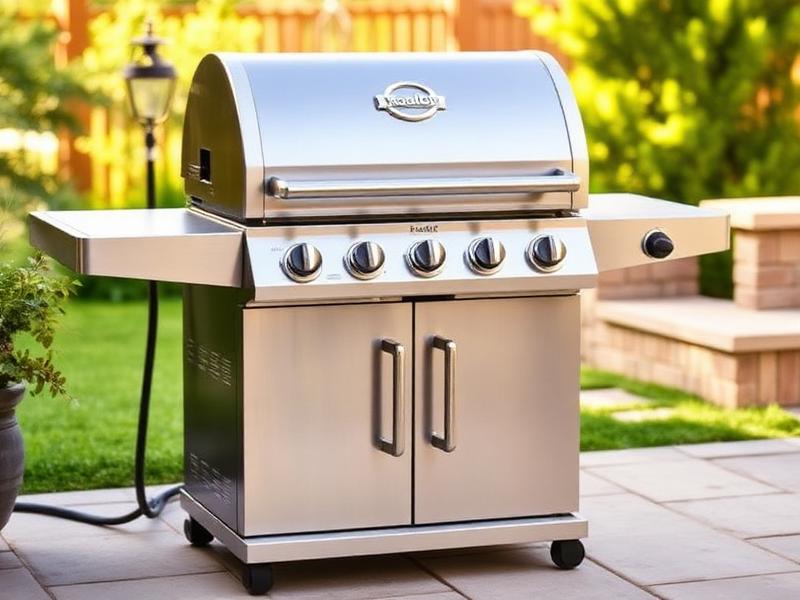
Napoleon Rogue XT 425
The grill enthusiast's gas grill. Infrared side burner, stainless construction, and heat distribution that embarrasses most competitors.
Read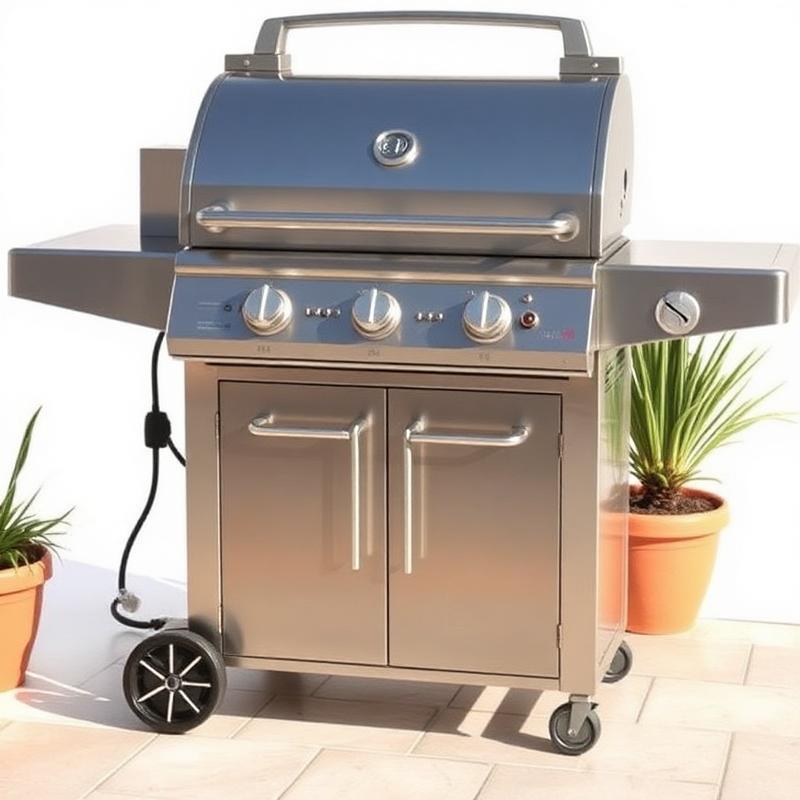
Weber Summit S-470
Weber's flagship freestanding gas grill. Sear station, smoker burner, rotisserie, and a side burner — every bell and whistle, executed properly.
Read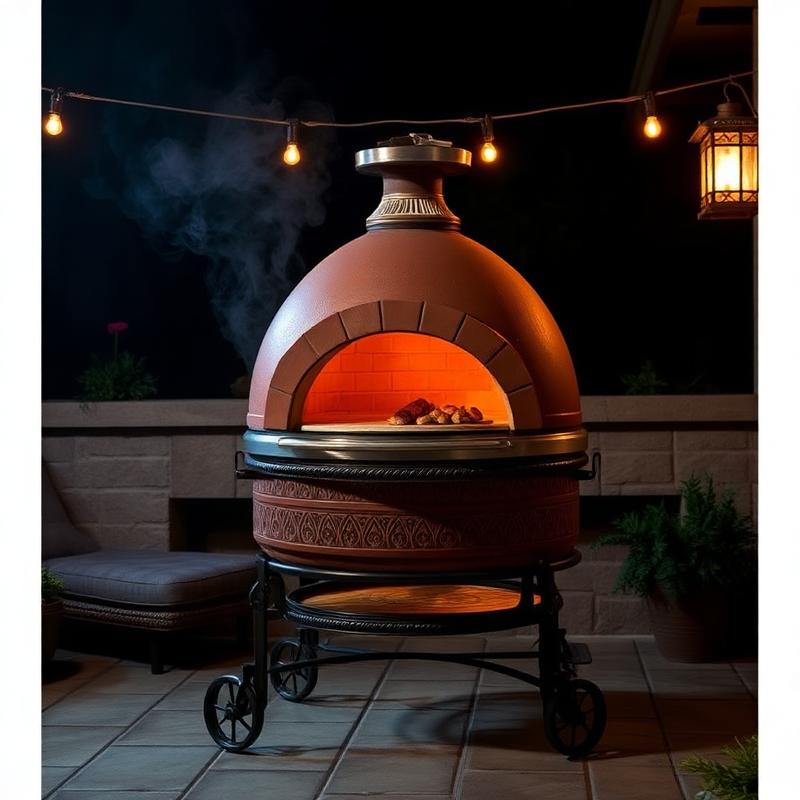
Tandoor Home Clay Oven
Authentic Indian cooking at home — 700°F+ radiant heat for naan, chicken tikka, and seekh kebab that no grill can replicate.
Read
Best Chimney Starters: Skip Lighter Fluid Forever
If you grill with charcoal and don't own a chimney starter, fix that today. Here's which one to buy.
Read