How to Fix Low Flame on a Gas Grill
If your gas grill suddenly won't get past 250°F, your propane tank's safety regulator has almost certainly tripped into bypass mode. This is a free, two-minute fix that 90% of grill owners don't know about. Here's exactly how to reset it.

Last Updated
Tools & Materials
- Soapy water in a spray bottle
- Adjustable wrench
Step by Step
Understand what bypass mode is
Every propane regulator has a built-in safety device that restricts gas flow if it detects a leak. The most common trigger isn't an actual leak — it's opening the tank valve while the grill burners are also open, which mimics a leak from the regulator's perspective. Once tripped, the regulator delivers maybe 10% of normal gas flow until reset.
Turn off everything in the right order
Close the propane tank valve fully (clockwise). Then turn all grill burner knobs to the OFF position. Order matters here — if you leave burners open while closing the tank, you can re-trip bypass on relight.
Disconnect the regulator from the tank
Unscrew the regulator coupling from the propane tank by hand. No tools needed — it's a knurled plastic nut. Wait at least 60 seconds with the regulator disconnected. This lets the bypass mechanism reset internally.
Reconnect and open the tank slowly
Reattach the regulator and tighten by hand only — never use a wrench, as overtightening damages the o-ring and causes real leaks. Then turn the tank valve open SLOWLY — about a quarter turn at a time, pausing for a second between turns. Opening fast is what trips bypass in the first place.
Light the burners normally
Open one burner to high and ignite. You should hear a strong whoosh and see a full flame within 5 seconds. Light the remaining burners one at a time. Within 10 minutes the grill should reach 500°F+ on all burners.
Leak-test if the issue persists
If flames are still weak after a regulator reset, you may have a real leak. Mix dish soap with water 50/50 and spray every connection point: tank-to-regulator, regulator-to-hose, hose-to-grill manifold. Open the tank with all burners off. Bubbles forming anywhere indicate a leak — replace the o-ring or the affected component.
Replace the regulator if nothing works
Regulators do fail. They're cheap ($20-40) and standard sized — most Weber, Char-Broil, and Napoleon grills use a Type 1 (QCC1) connector. If you've tried bypass reset and leak-tested with no improvement, replacing the regulator-and-hose assembly is a 15-minute fix that almost always solves the problem.
Warnings
- Never use a wrench to tighten the regulator coupling to the tank. Hand-tight is by design — a wrench will crush the o-ring.
- Always open the tank valve slowly. Fast opening is the #1 cause of bypass mode and the #1 reason people think their grill is broken.
- If you smell gas at any point and it doesn't dissipate after disconnecting, leave the area and call your propane supplier — do not attempt to relight.
- Never test for leaks with an open flame. Soapy water is the only acceptable method.
How Often?
Reset bypass any time flames are weaker than normal. Leak-test connections at the start of grilling season and after any tank swap.
Common Questions
Frequently Asked Questions
How long does it take to fix low flame on a gas grill?
What tools do I need?
How often should I do this?
What safety issues should I watch for?
Keep Reading
You might also like
How to Convert a Propane Grill to Natural Gas
Ditch the tank refills and plumb your grill into the house line — safely.
ReadHow to Grill Fish Without It Sticking
The 7 rules that turn fish from a grill-grate disaster into a restaurant-quality presentation.
Read
Weber Kettle vs. Weber Smokey Mountain
Both are Weber legends. One is a versatile grill that can smoke; the other is a dedicated smoker that can't grill. Here's which one belongs in your backyard.
ReadPellet Grill vs. Gas Grill
Pellet grill vs gas grill, settled: flavor, speed, running cost, versatility, and the honest answer to which one belongs on your patio first.
Read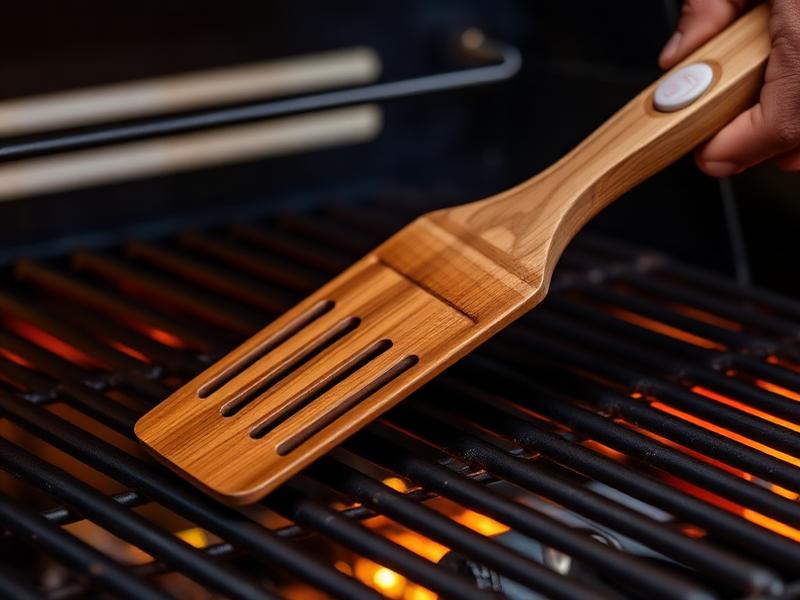
The Great Scrape Woody Paddle
A natural wood scraper that custom-grooves to your grate pattern. Zero bristle risk, zero chemicals. The safest grill cleaner.
Read
Mexican Street Corn (Elote)
Charred, creamy, tangy, spicy — the best thing that's ever happened to corn on the cob.
Read