How to Convert a Propane Grill to Natural Gas
Converting a propane grill to natural gas eliminates tank swaps forever and drops your fuel cost by roughly half — but it's not a universal job. You need the correct OEM conversion kit for your exact model, and you need to leak-test every joint. Get either wrong and you have a gas leak in your backyard. Here's the safe way.

Last Updated
Tools & Materials
- Manufacturer-specific NG conversion kit
- Adjustable wrench
- Pipe thread sealant rated for gas
- Soap-and-water leak test solution
- Quick-disconnect fitting (optional)
Step by Step
Confirm your grill is convertible and order the OEM kit
Not every grill can be converted. Weber Spirit/Genesis, Napoleon Prestige, and most Bull/Lynx models can. Many budget grills cannot. The conversion kit must match your exact model and serial number — it swaps the orifices (NG orifices are larger because natural gas is lower pressure) and the regulator. Universal kits void warranties and are not safe. See our [propane vs natural gas grills guide](/guide/propane-vs-natural-gas-grills) for the long-term math.
Have a stub-out installed by a licensed plumber
You need a ½-inch black iron or CSST gas line run from your main with a shutoff valve and a quick-disconnect at the grill location. This is the one step you should not DIY unless you're permitted to do gas work. Permits and inspections vary by jurisdiction — call your city before scheduling.
Shut off the gas at the house valve and disconnect propane
Close the new stub-out shutoff. Remove the propane tank and regulator from the grill. Lift off the cooking grates, flame tamers, and burner tubes to access the orifices at the back of each valve.
Swap every orifice — every single one
Unscrew each propane orifice from the valve manifold and replace with the matching NG orifice from the kit. Don't mix them up. The side burner, sear burner, and rotisserie burner all have their own orifices and must each be swapped. Apply gas-rated thread sealant (NOT plumbers tape — yellow gas-rated tape only) to each thread.
Install the NG regulator if the kit includes one
Some kits include a new regulator; others rely on the house regulator. Follow the kit instructions exactly. Connect the NG hose from the regulator (or grill inlet) to the quick-disconnect on your stub-out.
Pressure leak test every joint
Open the house valve. Without lighting any burner, brush a 50/50 soapy water solution onto every fitting you touched — orifices, regulator, hose connection, quick-disconnect. Bubbles = leak. Tighten or re-seal until zero bubbles appear at any joint. Do this in daylight; it's hard to see bubbles by flashlight.
Light each burner and verify flame quality
Light each burner one at a time. The flame should be steady blue with maybe yellow tips — not lazy yellow, not lifting off the burner. Yellow lazy flames mean the orifice is wrong or partially blocked. Lifting flames mean too much pressure (check the regulator).
Warnings
- Never use a propane regulator on a natural gas line, or vice versa. The pressure difference will produce flames so large they're a fire hazard.
- Yellow gas-rated PTFE tape only — white plumbers tape is not rated for gas and will degrade. Pipe dope rated for gas is also acceptable.
- If you smell gas at any point, close the house shutoff immediately, ventilate the area, and do not light any flame. Call your gas utility's emergency line if the smell persists.
- Have a licensed plumber install the stub-out. Most homeowners' insurance policies require it, and unpermitted gas work can void coverage if there's ever a claim.
How Often?
One-time conversion — once it's done, you're done. Inspect the connections every spring with soapy water when you [break in the season's first cook](/how-to/break-in-new-gas-grill).
Common Questions
Frequently Asked Questions
How long does it take to convert a propane grill to natural gas?
What tools do I need?
How often should I do this?
What safety issues should I watch for?
Keep Reading
You might also like

Propane vs. Natural Gas Grills
The complete propane vs natural gas grills guide: cost per BTU, installation, performance, safety, conversion kits, and which fuel actually wins for your patio.
ReadHow to Fix Low Flame on a Gas Grill
The 5-minute regulator reset that fixes 90% of low-flame issues.
ReadHow to Fix Hot Spots and Uneven Heat on a Gas Grill
Map your grill's hot spots with the bread test, then fix the causes — clogged ports, warped heat plates, and blocked venturi tubes.
Read
Charcoal vs. Gas vs. Pellet vs. Electric
The ultimate beginner's guide. Every fuel type compared across flavor, cost, convenience, and versatility. Start here if you're buying your first grill.
Read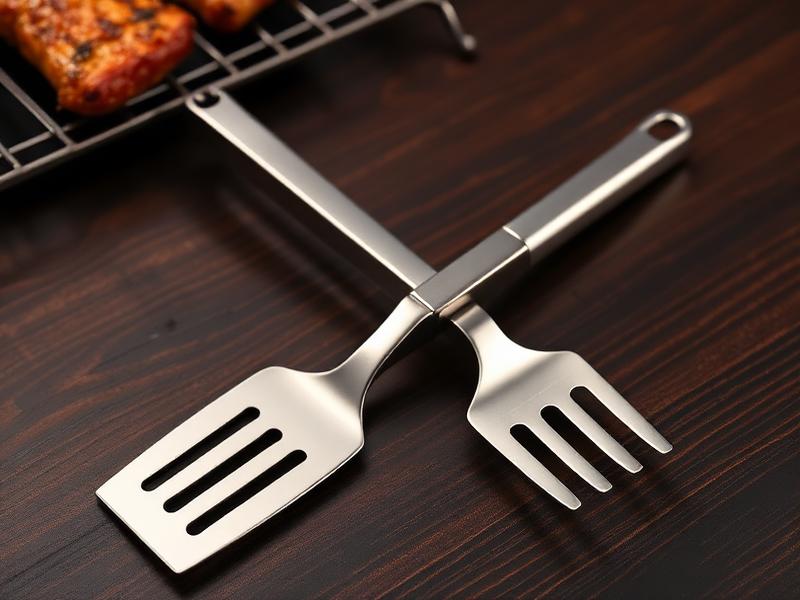
OXO Good Grips 3-Piece Set
Tongs, spatula, and fork with soft-grip handles. Long enough to keep your knuckle hair intact.
Read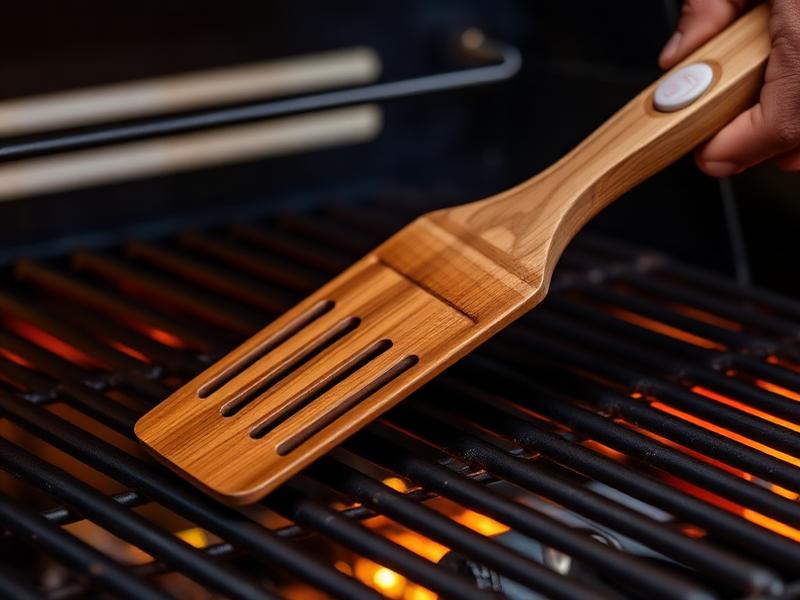
The Great Scrape Woody Paddle
A natural wood scraper that custom-grooves to your grate pattern. Zero bristle risk, zero chemicals. The safest grill cleaner.
Read