Last Updated

Before you compare brands or models, you need to choose a fuel type. This decision shapes every cook you'll ever do. Here's the honest comparison — no tribal loyalty, no gatekeeping, just facts from someone who owns all four types.
Quick Verdict
Gas for convenience, charcoal for flavor, pellet for smoking, electric for restrictions. There's no single 'best' — only the best for your situation. Most serious grillers end up owning at least two types.
The Contenders
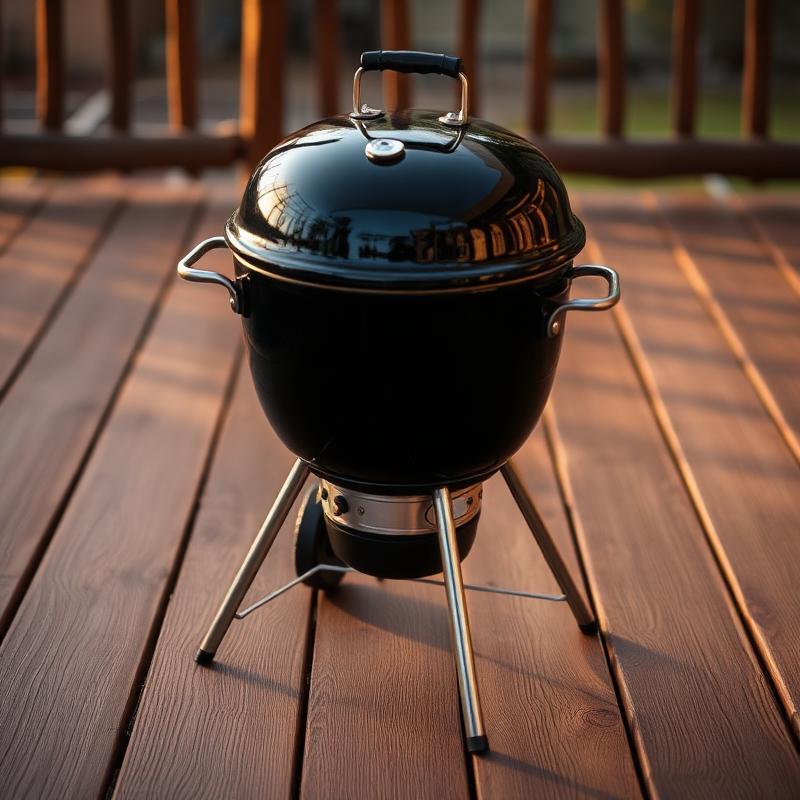
Charcoal
$175-2,000+
Flavor chasers, hands-on cooks, and anyone who enjoys the ritual of fire
Check PriceCategory Breakdown
Flavor
Winner: CharcoalCharcoal wins. The complex flavor from burning charcoal and wood is unmatched. Gas produces good grilled flavor from fat hitting Flavorizer bars but lacks smokiness. Pellet grills offer genuine wood-smoke flavor, especially at low temperatures. Electric grills produce the mildest flavor — essentially indoor cooking outdoors.
Convenience
Winner: GasGas is the easiest — turn a knob and cook in 10 minutes. Pellet is nearly as easy — set the temp and walk away. Charcoal requires 15-20 minutes of setup and active fire management. Electric is easy but limited in capability. For weeknight cooking, gas and pellet are the practical choices.
Versatility
Winner: CharcoalCharcoal is the most versatile — a Weber Kettle can grill, smoke, roast, bake, and even stir-fry with the right accessories. Gas handles grilling and indirect cooking. Pellet excels at smoking but has limited searing. Electric is the least versatile, confined to basic grilling.
Running Costs
Winner: ElectricCharcoal is the most expensive per cook ($3-8 in charcoal). Gas costs $3-5 per tank fill (many cooks). Pellets run $15-20 per bag (multiple cooks). Electric is cheapest — pennies per cook. Over a year of weekly grilling, electric is cheapest and charcoal is most expensive.
Learning Curve
Winner: Gas/ElectricElectric and gas have minimal learning curves. Pellet grills require understanding pellet selection and basic smoking technique. Charcoal has the steepest learning curve — fire management, vent control, and temperature regulation take practice. But mastering charcoal makes you a better cook across all fuel types.
Final Verdict
Start with gas if convenience matters most. Start with charcoal (Weber Kettle) if you want the best learning experience and flavor. Add a pellet grill when you're ready to explore low-and-slow smoking. Use electric only if other fuel types aren't allowed. The ideal setup is a gas grill for weeknights and a charcoal or pellet grill for weekends.
Buying Advice
Don't overthink your first grill. A $175 Weber Kettle or $449 Weber Spirit E-310 will teach you everything you need to know. Your second grill is where you specialize — that's when you add a pellet grill, kamado, or offset smoker based on what you love cooking most.