How to Grill Fish Without It Sticking
Fish sticking to the grill is one of the most common grilling failures — and one of the easiest to prevent. It's not about the fish; it's about preparation and technique. With the right grate prep, oiling, and timing, you can slide delicate fillets off the grill as cleanly as a T-bone. Here's the method that works on any grill, for any fish.

Last Updated
Tools & Materials
- Sturdy fish spatula (thin, wide, flexible blade)
- Paper towels
- High-heat oil (avocado, grapeseed, or canola)
- Lemon, herbs, and butter for basting
- Aluminum foil or cedar plank (optional)
- Instant-read thermometer
Step by Step
Start with dry fish and bring to room temp
Remove fish from packaging and pat every surface dry with paper towels. Moisture is the #1 cause of sticking — it creates steam that bonds the protein to the grate. Let the fish sit at room temperature for 15-20 minutes before grilling. Cold fish takes longer to release from the grate and cooks unevenly.
Clean and oil the grate while it's screaming hot
Preheat the grill on high for 15 minutes with the lid closed. Use a grill brush to scrape every inch of the grate clean. Then fold a paper towel, dip it in high-heat oil, and use tongs to wipe the oiled towel across the grate. The oil should smoke immediately — this creates a temporary non-stick layer. Repeat 3-4 times.
Oil the fish, not just the grate
Brush both sides of the fish lightly with oil. This creates a barrier between the protein and the metal. For delicate white fish, a light oil coating is essential. For oily fish like salmon, the fish's own fat helps, but a light oil brush still improves release. Season right before placing on the grill — salt draws moisture, and wet fish sticks.
Place fish at a 45-degree angle to the grates
Lay the fish diagonally across the grates, not parallel. This creates those attractive crosshatch grill marks and makes the fish easier to lift in one piece. Press the fish gently onto the grate for 3-5 seconds with the back of your spatula — this maximizes contact and sears the surface before it has a chance to stick.
Don't move it for 3-4 minutes
The fish will stick at first — that's normal. As the surface cooks and browns, it releases naturally. Wait at least 3 minutes (4 for thick fillets) before attempting to move it. If you try to flip early, the flesh tears and you're left with fish flakes welded to the grate.
Flip once with a thin, flexible spatula
Slide a thin fish spatula under the fillet at a shallow angle, getting the blade completely under the fish before lifting. Flip in one smooth motion. The second side needs less time — about 2-3 minutes. Baste with melted butter, lemon, and herbs in the final minute for flavor and gloss.
Use a plank or foil for extremely delicate fish
For fish that flakes apart no matter what (tilapia, sole, cod), use a cedar plank soaked in water for 2 hours, or make a foil boat with holes poked in the bottom. You get grill flavor and easy handling without the stress of direct-grate release. The fish still needs to be dry and oiled.
Warnings
- Never try to flip fish before it's ready. If the spatula doesn't slide under easily, give it another 60 seconds. The fish will tell you when it's ready to release.
- Don't use extra-virgin olive oil for high-heat grilling. It burns at 375°F and leaves a bitter, acrid coating on both the fish and the grate.
- Don't overcrowd the grate. Fish needs space for steam to escape. Crowded fish steams instead of sears, and steamed fish sticks every time.
How Often?
Apply these rules every time you grill fish: dry, oil both surfaces, hot clean grate, wait for release, flip once. Works for salmon, tuna, swordfish, halibut, trout, and anything else that swims.
Common Questions
Frequently Asked Questions
How long does it take to grill fish without it sticking?
What tools do I need?
How often should I do this?
What safety issues should I watch for?
Keep Reading
You might also like
How to Fix a Gas Grill That Won't Heat Up
Diagnosing and fixing the most common gas grill problem in under 30 minutes.
ReadHow to Cook a Low-and-Slow Pork Shoulder
The beginner's path to perfect pulled pork — forgiving, affordable, and impossible to mess up.
Read
Best Cast Iron Grill Accessories: Sear Stations and Smash Burger Tools
Cast iron unlocks restaurant-quality sears on any grill. Here's the gear that actually delivers.
Read
Grilled Lamb Chops with Herb Crust
Restaurant-quality lamb in 15 minutes — the most impressive quick-cook on any grill.
Read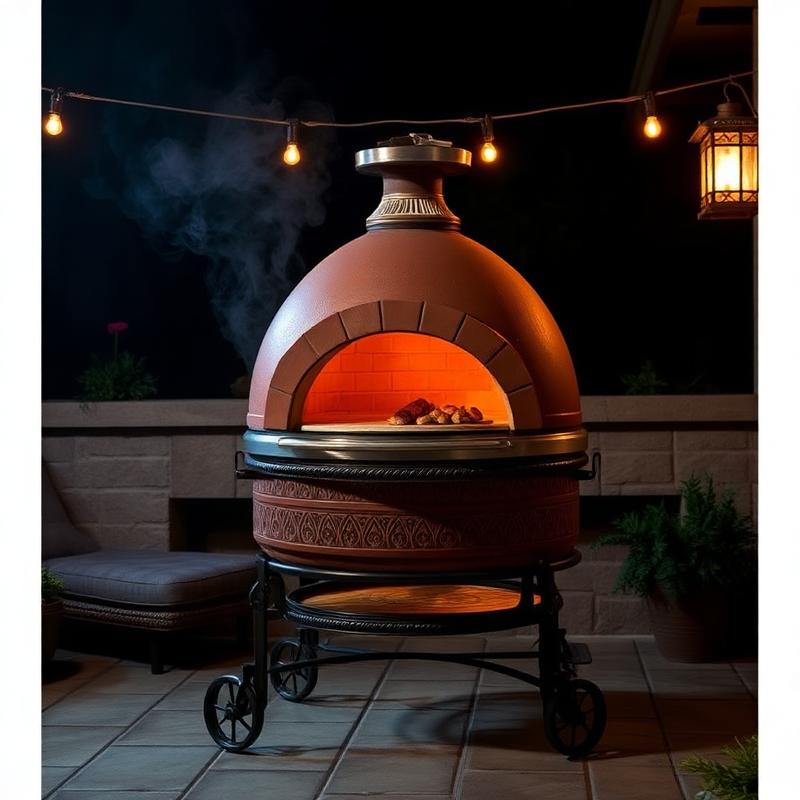
Tandoor Home Clay Oven
Authentic Indian cooking at home — 700°F+ radiant heat for naan, chicken tikka, and seekh kebab that no grill can replicate.
Read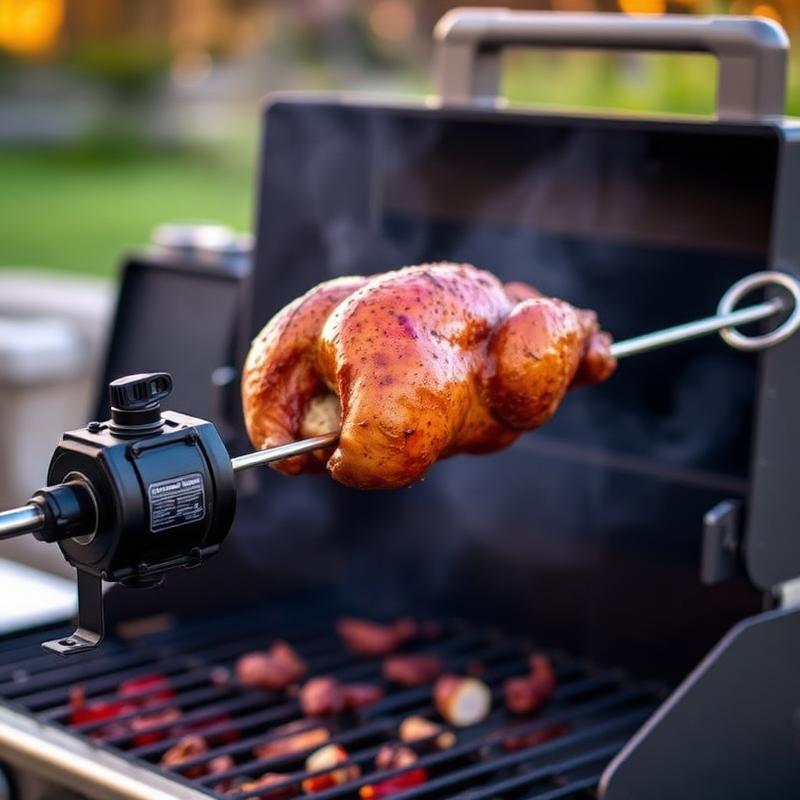
OneGrill Universal Rotisserie Kit
Turns any gas or charcoal grill into a rotisserie. The motor is silent, the spit holds 40 lbs, and the chicken is life-changing.
Read