How to Cook a Low-and-Slow Pork Shoulder
If you're new to BBQ, start with pork shoulder. It's cheaper than brisket, more forgiving than ribs, and produces enough food for a crowd. The meat is marbled with fat and connective tissue that breaks down into succulent pulled pork over 10-14 hours of gentle smoking. You can overcook it and it only gets better. Here's the no-stress method that works on any smoker, pellet grill, or charcoal kettle.

Last Updated
Tools & Materials
- Bone-in pork shoulder (Boston butt, 8-10 lbs)
- Yellow mustard
- BBQ rub (store-bought or homemade)
- Leave-in probe thermometer
- Spray bottle with apple juice
- Butcher paper or heavy-duty foil
- Meat claws or two forks
- Disposable drip pan
Step by Step
Buy bone-in Boston butt (not picnic roast)
Look for a bone-in Boston butt (also called pork shoulder) in the 8-10 pound range. The bone acts as a natural thermometer — when it slides out with no resistance, the pork is done. Avoid picnic roasts for pulled pork; they have a different muscle structure and more skin. Choose a shoulder with good fat marbling visible in the meat — white streaks throughout the red muscle.
Slather with mustard and apply a heavy rub coat
Coat the entire shoulder with a thin layer of yellow mustard. This isn't for flavor — it acts as a binder so the rub adheres and helps bark formation. Apply a heavy coating of your favorite BBQ rub, covering every surface including the sides and bottom. The bark is half the flavor of pulled pork, so don't be shy. Let it sit at room temp for 30-45 minutes while the smoker preheats.
Set your smoker to 225°F and add fruit wood
Preheat your smoker or pellet grill to 225°F. For charcoal: use a two-zone fire with a water pan. Add 3-4 chunks of fruit wood (apple, cherry, or pecan) for mild smoke that complements pork without overpowering it. Avoid mesquite for pork — it's too aggressive for a long cook. Once the temp holds steady at 225°F for 10 minutes, you're ready.
Smoke unwrapped for the first 6-8 hours
Place the shoulder directly on the grate, fat-side up. Insert a leave-in probe into the thickest part, avoiding the bone. Close the lid and walk away. Spritz with apple juice every 60-90 minutes to keep the surface moist and help smoke adhere. The bark should be dark and firm by the time you wrap. Don't open the lid more than necessary.
Wrap at 165°F internal or when bark is set
When the internal temperature reaches 165°F and the bark is dark mahogany and firm to the touch, wrap the shoulder tightly in butcher paper or heavy-duty foil. Butcher paper preserves bark texture better; foil creates a softer, more braised result. Return to the smoker immediately. Wrapping at this stage pushes through the stall faster and retains moisture.
Cook wrapped until probe-tender (195-205°F)
Continue cooking until the internal temp reaches 195-205°F. Start checking for probe tenderness at 195°F. Slide your instant-read thermometer into multiple spots — it should slide in like warm butter with zero resistance. If there's any tug, keep cooking. Most shoulders hit the sweet spot around 200-203°F.
Rest wrapped for at least 30 minutes (2 hours is ideal)
Transfer the wrapped shoulder to a cooler or holding oven and let it rest at least 30 minutes, up to 4 hours. This allows juices to redistribute and the meat to relax. Unwrap into a large pan, remove the bone (it should slide out effortlessly), and shred with meat claws or two forks. Mix the bark, interior meat, and rendered fat together. Serve as-is or with your favorite sauce on the side.
Warnings
- Don't pull based on time. Pork shoulders vary wildly in cook time depending on fat content, bone size, and ambient temperature. Always cook to temperature and probe tenderness, not the clock.
- Don't skip the rest. Shredding immediately after cooking releases all the juices and leaves you with dry pulled pork. Even 30 minutes makes a dramatic difference.
- Don't wrap too early. Wrapping before the bark is set traps steam and creates a mushy, gray exterior. Wait for dark, firm bark before wrapping.
How Often?
This is the standard method for every pork shoulder cook. Once you've mastered this, experiment with different rubs, injecting, and finishing sauces.
Common Questions
Frequently Asked Questions
How long does it take to cook a low-and-slow pork shoulder?
What tools do I need?
How often should I do this?
What safety issues should I watch for?
Keep Reading
You might also like
How to Smoke Meat Without a Smoker
Turn any gas or charcoal grill into a real smoker — no new equipment needed.
ReadHow to Cook a Hot-and-Fast Brisket
Skip the 16-hour cook and still produce juicy, tender brisket in under 6 hours.
Read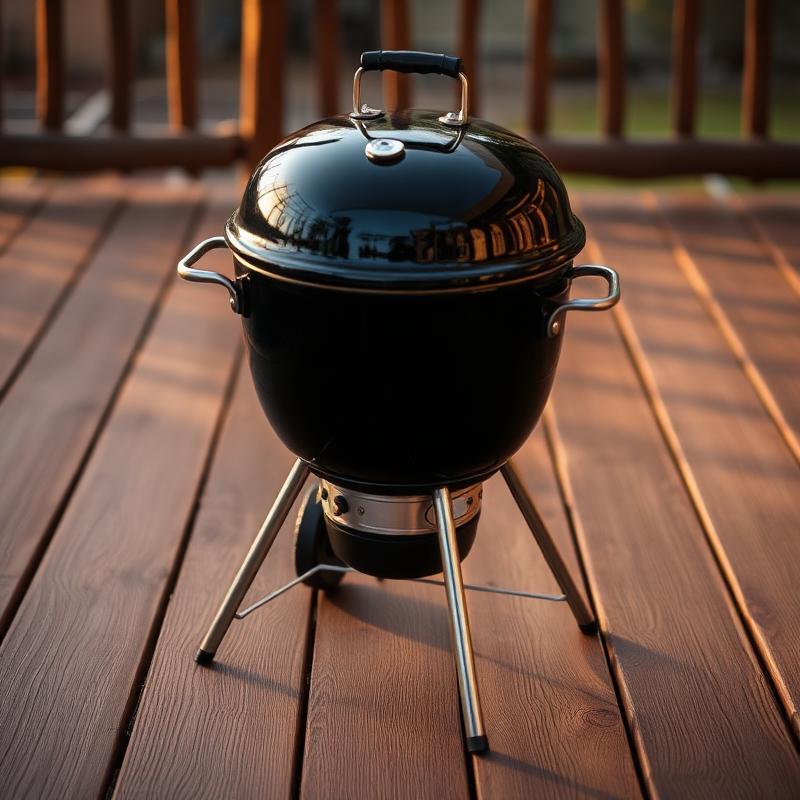
Everdure HUB II Charcoal Grill
Heston Blumenthal's electric-ignition charcoal grill. Lit and ready to cook in 10 minutes — the charcoal grill that finally solves the lighting problem.
Read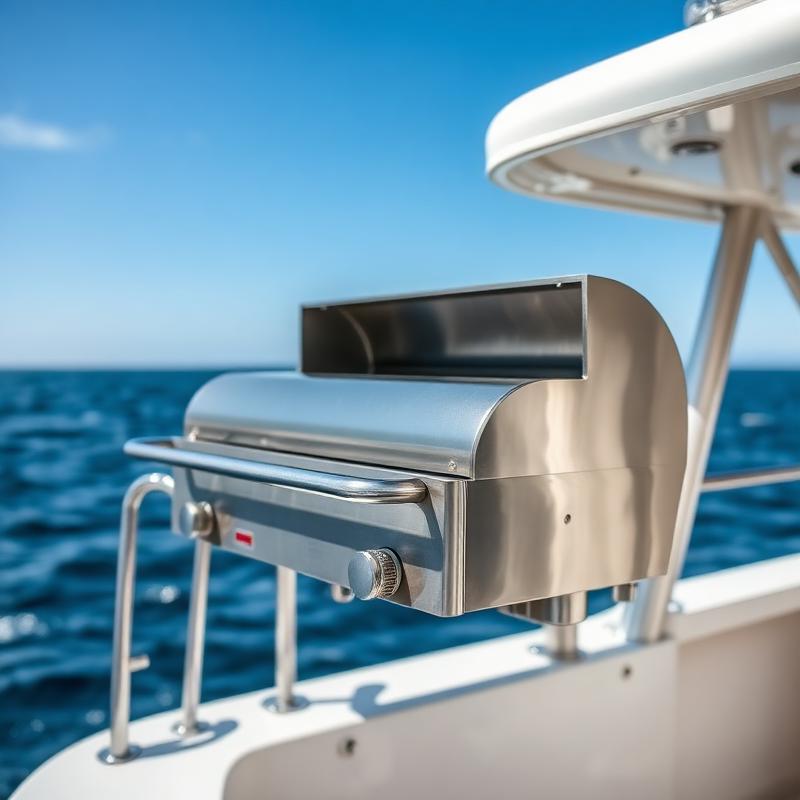
Magma Marine Kettle 3 Charcoal Grill
Charcoal flavour on the water — a hemispherical 316 stainless kettle with a hinged lid and a bottom that stays cool enough to mount.
Read
Smoked Pulled Pork
The ultimate low-and-slow crowd pleaser — fork-tender, smoky, and feeds an army.
Read
Smoked Pork Belly Burnt Ends
Meat candy. Cubes of pork belly braised in brown sugar and butter until they melt.
Read