
Smoked Pulled Pork
Pulled pork is the most forgiving meat you can smoke. A bone-in pork butt (shoulder) practically wants to be delicious — you just need patience and a steady 225°F. This recipe produces competition-quality pulled pork with a bark that'll make your neighbors jealous.

Last Updated
Ingredients
- 1 bone-in pork butt (8-10 lbs)
- Yellow mustard (as a binder)
- 1/2 cup brown sugar
- 1/4 cup paprika
- 2 tbsp kosher salt
- 2 tbsp black pepper
- 1 tbsp garlic powder
- 1 tbsp onion powder
- 1 tsp cayenne pepper
- Apple cider vinegar in a spray bottle
- Apple juice for spritzing
- Your favorite BBQ sauce (for serving)
Step by Step
Apply the rub generously
Mix all dry spices together. Apply liberally on all surfaces — don't be shy. The bark forms from this rub caramelizing over hours of smoke. Wrap in plastic and refrigerate overnight for best results, or cook immediately.
Set up your smoker at 225°F
Use hickory, cherry, or apple wood. Preheat and stabilize at 225°F. Place a water pan in the smoker if your setup doesn't have one — humidity helps bark formation and keeps the meat moist.
Smoke fat-side up for 5-6 hours
Place the pork butt fat-side up on the grate. Close the lid and resist opening it for at least 2 hours. After hour 3, start spritzing with a 50/50 mix of apple cider vinegar and apple juice every 45 minutes.
Push through the stall
Around 155-165°F internal temp, the meat will stall — temperature stops rising for hours. This is normal. You can wait it out (adds 2-3 hours) or wrap in butcher paper at 165°F to push through faster (the Texas Crutch).
Cook to 203°F internal
The pork butt is done when it hits 203°F internal and a probe slides in like butter. This is the texture test — temperature alone isn't enough. Some butts finish at 198°F, others at 207°F.
Rest for 1-2 hours, then pull
Wrap in butcher paper, then towels, and rest in a cooler for at least 1 hour (up to 4 hours). Pull the bone out — it should slide cleanly. Shred with bear claws or forks, mixing bark pieces throughout.
Pro Tips
- The bone should pull out clean with zero resistance. If it doesn't, cook longer.
- Mix chopped bark pieces throughout the pulled pork — that's where all the flavor lives.
- Save the drippings from the butcher paper wrap and pour them back into the pulled pork.
- Pulled pork freezes beautifully. Vacuum seal in portions with some drippings for easy weeknight meals.
Common Questions
Frequently Asked Questions
How long does Smoked Pulled Pork take to cook?
What's the single most important tip?
Keep Reading
You might also like
How to Cook a Low-and-Slow Pork Shoulder
The beginner's path to perfect pulled pork — forgiving, affordable, and impossible to mess up.
ReadHow to Smoke Meat Without a Smoker
Turn any gas or charcoal grill into a real smoker — no new equipment needed.
ReadBest Pellet Grills
If you want set-and-forget smoking with WiFi and a 10-year track record, get the Traeger Pro 575. If you want better build quality at a similar price, get the Recteq RT-700. If you
Read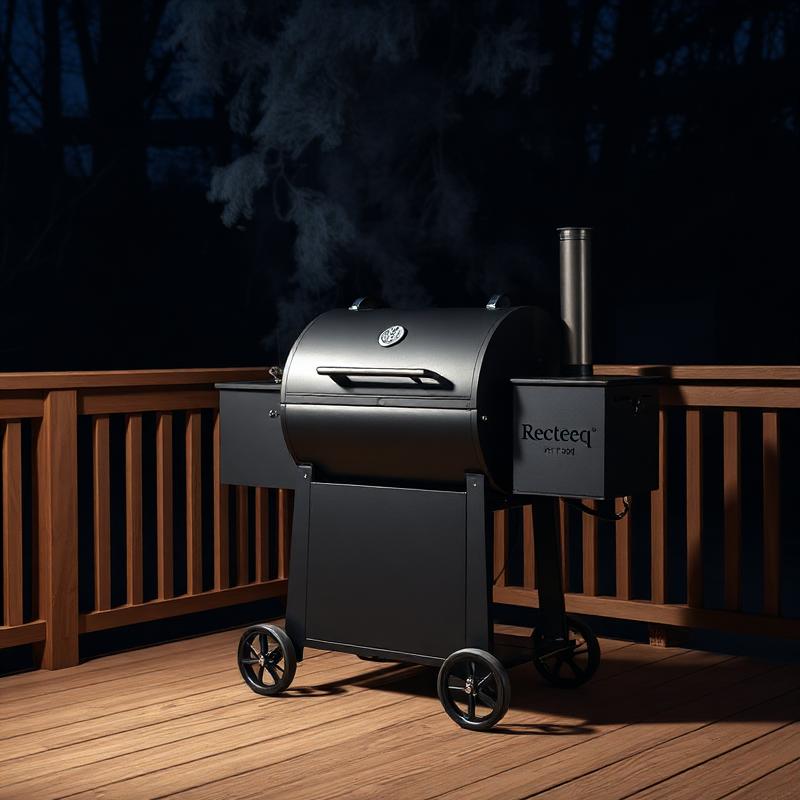
Recteq Bullseye RT-380X
Recteq's compact kettle-style pellet grill. Hits 750°F for genuine searing — the rare pellet grill that can actually grill.
Read