How to Smoke Meat Without a Smoker
You don't need a $1,500 pellet grill to smoke a brisket. With a few dollars in wood chunks and the right setup, any gas or charcoal grill becomes a perfectly capable smoker. This is the two-zone setup experienced cooks rely on with a Weber Kettle to produce competition-grade ribs and pulled pork.

Last Updated
Tools & Materials
- Wood chunks or chips
- Aluminum foil
- Smoker box or foil pouch
- Drip pan
- Instant-read thermometer
- Heavy-duty foil for water pan
Step by Step
Set up a true two-zone fire
On charcoal: pile lit briquettes on one side only, leaving the other half empty. On gas: turn on only the burners on one side and leave the rest off. This gives you a hot direct zone and a cool indirect zone. The meat goes on the cool side — never directly over the heat.
Add a water pan on the cool side
Place a foil pan filled with hot water on the indirect side, between the heat source and the meat. This stabilizes temperature, adds humidity (which helps smoke stick), and catches drippings. Don't skip this — it's the single biggest difference between dry smoked meat and juicy smoked meat.
Add wood for smoke
On charcoal: place 2-3 fist-sized wood chunks directly on the lit coals. They'll smolder for 1-2 hours each. On gas: wrap a handful of wood chips in heavy-duty foil, poke 4-5 holes in the top, and place the pouch directly on the burner grates over an active burner. A smoker box works too. Use hickory or oak for ribs and pork, fruit woods (apple, cherry) for poultry.
Dial in 225°F and lock it down
Adjust your charcoal grill's bottom and top vents to about 25% open each — this gives you 225°F for hours. On gas, set the active burners to low. Use a leave-in probe thermometer at grate level to monitor — never trust the lid thermometer, which can be 50°F off. Adjust vents/burners until temp is rock-steady at 225°F.
Place meat on the cool side and shut the lid
Put the meat on the indirect side, fat side up, with the leave-in probe inserted into the thickest part. Close the lid and walk away. Resist the urge to peek — every time you open the lid you lose 50°F and add 15-20 minutes to the cook.
Refresh coals and wood as needed
On charcoal, you'll need to add 8-10 fresh briquettes every 60-90 minutes for long cooks. Add a fresh wood chunk every 90 minutes for the first 4 hours — after that, the meat stops absorbing smoke meaningfully and more wood just adds bitter creosote. On gas, refresh the foil chip pouch every 45 minutes.
Pull meat at internal temp, not by time
Time is a guideline. Internal temp is the truth. Pull ribs at 195°F (or when a probe slides through like warm butter), pulled pork at 203°F, brisket at 203°F (with probe-tender feel), chicken at 165°F in the thigh. Always rest meat at least 30 minutes before slicing — wrapped in foil and a towel for the larger cuts.
Warnings
- Don't put wood chunks directly on gas burners without foil — they can flare up and damage the burners.
- More smoke is not better. After 4 hours, meat stops taking on smoke flavor and additional wood just creates bitter creosote.
- Never soak wood chips. It's a debunked myth — wet wood produces steam and acrid white smoke, not clean blue smoke. Use dry wood always.
- Don't open the lid every 20 minutes to check things. Trust the probe thermometer. Every lid lift adds significant cook time.
How Often?
Use this setup any time you want low-and-slow smoke flavor. The same two-zone method works for whole chickens, pork shoulder, ribs, brisket, and even smoked vegetables.
Common Questions
Frequently Asked Questions
How long does it take to smoke meat without a smoker?
What tools do I need?
How often should I do this?
What safety issues should I watch for?
Keep Reading
You might also like
How to Cook a Low-and-Slow Pork Shoulder
The beginner's path to perfect pulled pork — forgiving, affordable, and impossible to mess up.
Read
Weber Kettle vs. Weber Smokey Mountain
Both are Weber legends. One is a versatile grill that can smoke; the other is a dedicated smoker that can't grill. Here's which one belongs in your backyard.
ReadBest Pellet Grills
If you want set-and-forget smoking with WiFi and a 10-year track record, get the Traeger Pro 575. If you want better build quality at a similar price, get the Recteq RT-700. If you
ReadHow to Grill Fish Without It Sticking
The 7 rules that turn fish from a grill-grate disaster into a restaurant-quality presentation.
Read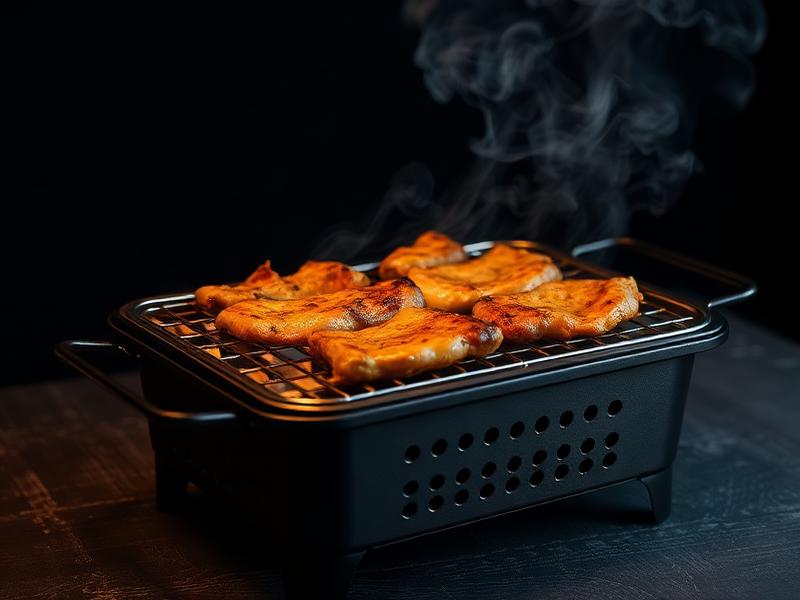
Korean BBQ Tabletop Charcoal Grill
KBBQ at home is exploding on social media. This tabletop unit delivers authentic galbi and samgyupsal.
Read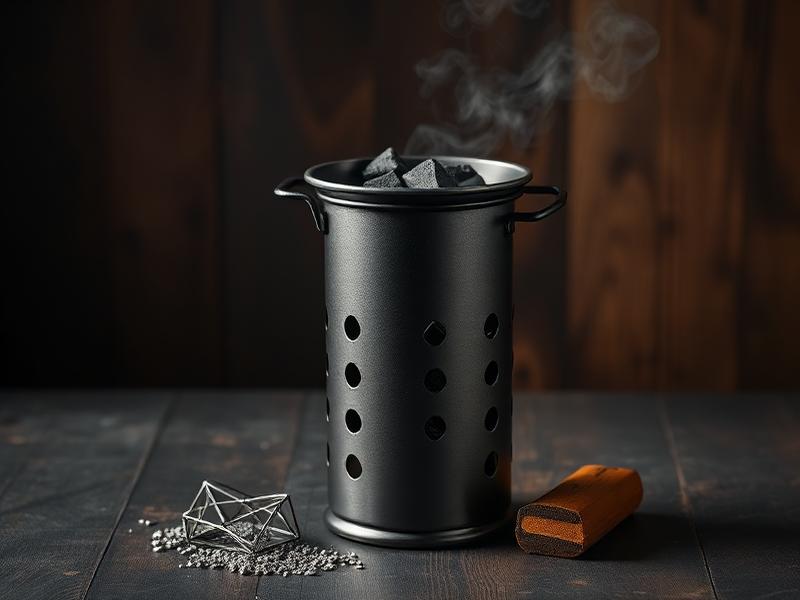
Weber Rapidfire Chimney Starter
Gets coals ripping hot in 15 minutes with just newspaper. Non-negotiable for any charcoal setup.
Read