How to Cook a Hot-and-Fast Brisket
Traditional brisket takes 12-16 hours at 225°F. Hot-and-fast brisket cooks at 300-325°F and finishes in 5-6 hours with nearly identical results. The trick is managing the faster cook to prevent the flat from drying out. This is the method I use when I want brisket on a weeknight or when I don't feel like tending a fire until 3 AM.
Last Updated
Tools & Materials
- Whole packer brisket (12-16 lbs)
- Leave-in probe thermometer
- Instant-read thermometer
- Heavy-duty aluminum foil or butcher paper
- Quality BBQ rub
- Spray bottle with apple juice or beef broth
- Sharp boning knife for trimming
Step by Step
Trim to 1/4 inch of fat cap
Start with a whole packer brisket. Trim the fat cap on the flat side down to 1/4 inch — any thicker and it won't render; any thinner and the flat dries out. Remove the hard deckle fat between the flat and point — it doesn't render and creates a tough bite. Square up the edges for even cooking and save trimmings for tallow.
Season generously and let it sweat
Apply a heavy coating of salt and pepper (Texas style) or your favorite BBQ rub. For hot-and-fast, I go slightly heavier on the rub than low-and-slow because the faster cook means less time for bark development. Let the brisket sit at room temp for 30-45 minutes while the grill preheats — the salt draws moisture to the surface, which helps build bark.
Set the grill to 300-325°F
On a pellet grill: set to 300°F and let it stabilize. On a charcoal grill: build a two-zone fire with a full chimney of coals and the vents open wider than usual. On a kamado: set the vents for 300°F — it'll hold steady thanks to ceramic insulation. Hot-and-fast works best on pellet grills and kamados because they maintain stable temps effortlessly.
Cook unwrapped until the bark is set (internal 165-170°F)
Place the brisket fat-side up on the grate. Insert a leave-in probe into the thickest part of the flat. Cook unwrapped for the first 2.5-3.5 hours until the internal temp hits 165-170°F and the bark is dark mahogany and set — it shouldn't rub off when touched. Spray with apple juice or beef broth every 45 minutes to keep the surface moist.
Wrap in butcher paper or foil at the stall
When the brisket hits the stall (around 165°F where internal temp plateaus for an hour or more), wrap it tightly in pink butcher paper or heavy-duty foil. Butcher paper breathes and preserves bark better; foil traps moisture and creates a braised texture. I prefer paper for hot-and-fast to maintain texture. Return to the grill immediately.
Cook wrapped until probe-tender (internal 203-207°F)
Continue cooking wrapped until the internal temp reaches 203-207°F. But temperature is just a guide — the real test is probe tenderness. Slide your instant-read thermometer into the flat like it's butter. If there's ANY resistance, keep cooking. It should slide in with zero effort. This usually takes another 2-3 hours at 300°F.
Rest at least 1 hour (2 is better) before slicing
Transfer the wrapped brisket to a cooler or insulated holding box. Let it rest at least 1 hour, up to 4 hours wrapped. This allows juices to redistribute and the muscle fibers to relax. Unwrap, slice the flat against the grain in pencil-thick slices, and separate the point for burnt ends or chop it.
Warnings
- Don't cook hot-and-fast on an uninsulated grill in cold weather. The temperature swings will dry out the flat before it tenderizes.
- Don't pull based on temperature alone. A brisket at 203°F can still be tough if the collagen hasn't fully broken down. Probe-tender is the only reliable doneness test.
- Don't slice until after resting. Slicing a hot brisket releases all the juices — you'll end up with dry meat and a puddle on the cutting board.
How Often?
Use hot-and-fast when you want brisket flavor without the all-nighter commitment. Not recommended for your very first brisket — master low-and-slow first.
Common Questions
Frequently Asked Questions
How long does it take to cook a hot-and-fast brisket?
What tools do I need?
How often should I do this?
What safety issues should I watch for?
Keep Reading
You might also like
How to Rest and Slice BBQ Meat Properly
The difference between dry, crumbly meat and the juicy, tender results you see at top BBQ joints.
ReadHow to Clean a Blackstone Griddle After Every Cook
The 5-minute routine that protects your seasoning and prevents rust.
Read
Blackstone vs. Camp Chef Flat Top
Blackstone owns the griddle category — but Camp Chef's Flat Top Grill is the under-the-radar challenger with a removable griddle and grill grates in one. Here's the real-world breakdown.
Read
How to Season a New Grill: Step-by-Step Guide
Every new grill needs seasoning before its first real cook. Skip this step and you're eating factory residue with your first burger.
Read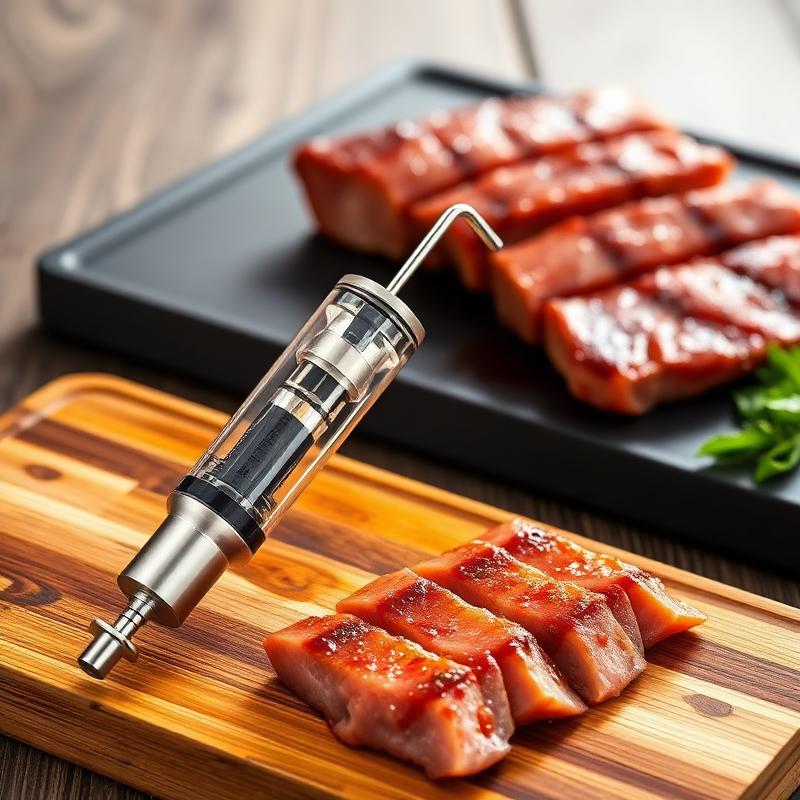
SpitJack Magnum Meat Injector
Professional-grade injector that handles thin marinades and thick butter-based injections. The secret weapon for competition brisket.
Read
Texas-Style Brisket
The king of BBQ — 12+ hours of smoke for the ultimate centerpiece.
Read