How to Rest and Slice BBQ Meat Properly
Resting is not optional — it's the final phase of cooking. When meat comes off the heat, the muscle fibers are tight and juices are under pressure near the surface. Resting allows the fibers to relax and reabsorb those juices. Slicing too early is the #1 reason home BBQ tastes dry even when cooked perfectly. And once you're rested, slicing against the grain with the right technique ensures every bite is tender.

Last Updated
Tools & Materials
- Insulated cooler or holding oven
- Cutting board with juice groove
- Long slicing knife (12+ inches preferred)
- Tongs or nitrile gloves
- Instant-read thermometer
Step by Step
Rest wrapped for large cuts, unwrapped for steaks
For brisket, pork shoulder, and beef ribs: leave wrapped in butcher paper or foil and place in an insulated cooler or holding oven (150-170°F). Rest at least 1 hour, up to 4 hours. The meat stays hot and continues to tenderize. For steaks and chops: rest unwrapped on a wire rack for 5-10 minutes so the crust stays crisp.
Rest until internal temp stops rising and begins to fall
Carryover cooking continues for 10-20 minutes after removal. A brisket pulled at 203°F may climb to 208°F internally before cooling. Monitor with a probe if you're unsure. Once the internal temp peaks and drops by 2-3 degrees, the rest is complete and the juices have stabilized.
Separate the point and flat on a brisket
Unwrap the brisket onto a cutting board. Locate the fat seam that separates the flat (lean, rectangular) from the point (fatty, irregular). Run your knife through that seam to separate the two muscles. They have different grain directions and must be sliced separately for tenderness.
Slice the flat against the grain in pencil-thick pieces
The grain of the flat runs lengthwise — look for the muscle fiber direction and slice perpendicular to it. Each slice should be about the thickness of a pencil (1/4 inch). Too thin and the meat falls apart; too thick and it's chewy. Use long, smooth strokes with a sharp knife — sawing tears the meat.
Slice the point for burnt ends or chop it
The point has a different grain direction — usually at a 45-degree angle to the flat. Slice it separately against its own grain. For burnt ends: cube the point into 1-inch chunks, toss with sauce, and return to the smoker for 1-2 hours. For slicing: cut the point across the grain in thicker slices than the flat.
Slice pork shoulder (pulled pork) after resting 30 minutes
Rest the pork shoulder wrapped for at least 30 minutes, up to 2 hours. Remove the bone — it should slide out with no resistance. Shred with bear claws or gloved hands, pulling the meat apart along the natural grain. Mix the bark, interior meat, and any rendered fat together for the best texture and flavor distribution.
Slice ribs individually between the bones
Rest ribs wrapped for 10-15 minutes only — longer rests make them too soft to slice cleanly. Flip the rack meat-side down so you can see the bones. Use a sharp knife to cut cleanly between each bone. Serve 3-4 bones per person. The meat should pull cleanly from the bone with a gentle tug, not fall off unprovoked.
Warnings
- Never slice meat immediately off the heat. For brisket, you lose 20-30% of your moisture to the cutting board instead of keeping it in the meat.
- Don't slice with the grain. Even perfectly cooked brisket becomes tough and stringy if you slice parallel to the muscle fibers.
- Don't rest ribs too long. Unlike brisket, ribs become mushy and fall apart if rested more than 20 minutes. Slice and serve promptly.
How Often?
Rest every piece of meat that comes off a grill or smoker. Even a humble burger benefits from 3-5 minutes of rest before the first bite.
Common Questions
Frequently Asked Questions
How long does it take to rest and slice bbq meat properly?
What tools do I need?
How often should I do this?
What safety issues should I watch for?
Keep Reading
You might also like
How to Wrap Meat in Butcher Paper
The Texas crutch's breathable cousin — keep bark while protecting moisture.
ReadHow to Grill Perfect Chicken Thighs
Juicy, crispy, and foolproof — the forgiving cut that makes every cook look like a pro.
Read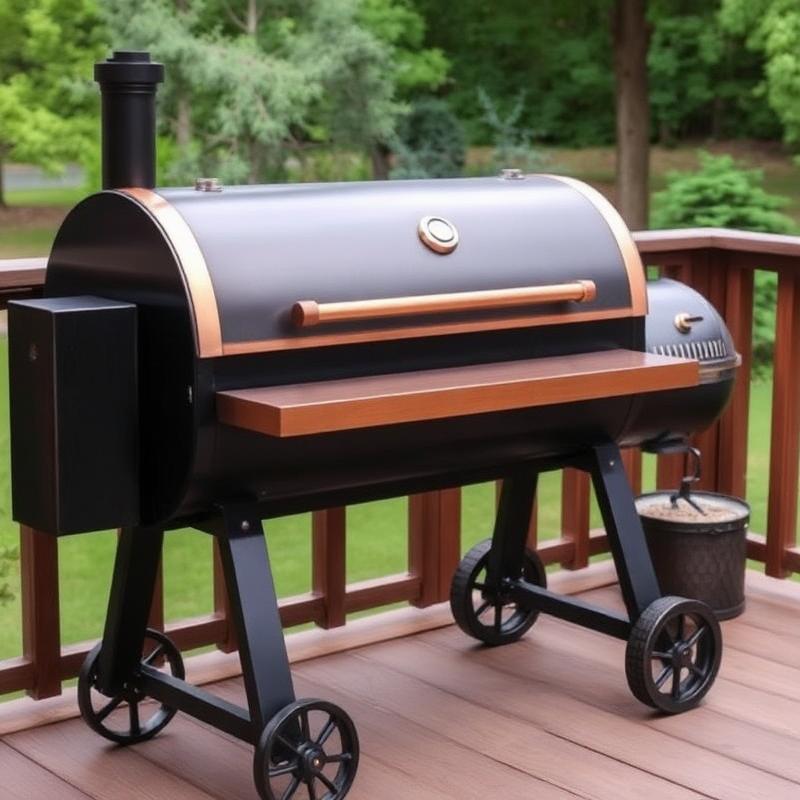
Pit Boss Sportsman 820
Mid-tier Pit Boss with WiFi, PID controller, and 820 sq in of cooking surface for under $700 — the value pick in mid-size pellet grills.
Read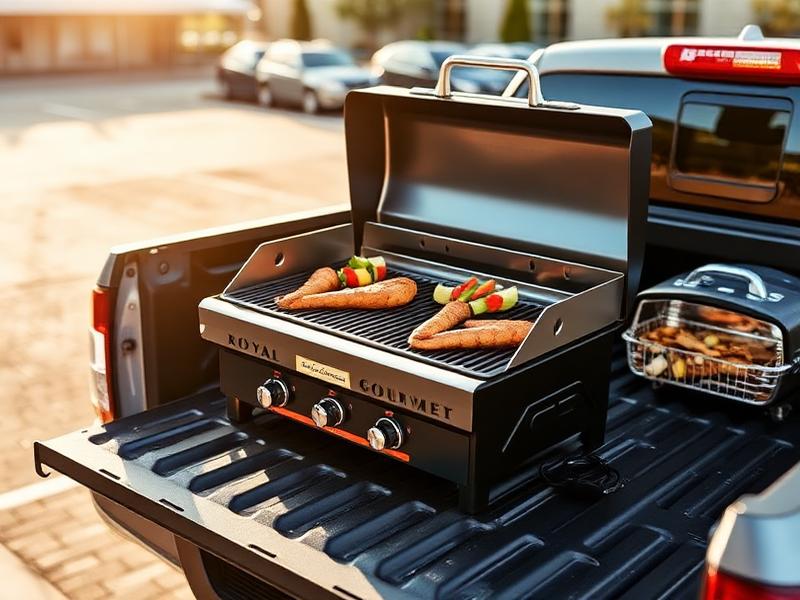
Royal Gourmet PD1301S Portable Griddle
A solid budget portable griddle with 3 burners and 316 sq in of cooking surface. Great value at under $120.
Read