How to Wrap Meat in Butcher Paper
Butcher paper is the secret weapon of Texas BBQ. Unlike foil, which traps steam and softens bark into a pot-roast texture, butcher paper breathes just enough to protect the meat's surface from drying while letting moisture escape. The result: a firm, flavorful bark with juicy meat underneath. It's the standard wrap for brisket at every top Texas joint, and it's absurdly easy to do at home.
Last Updated
Tools & Materials
- Pink/peach butcher paper (unwaxed, uncoated)
- Heavy-duty aluminum foil (alternative)
- Spray bottle with liquid (apple juice, broth, or water)
- Instant-read thermometer
Step by Step
Wait for bark to set before wrapping
Never wrap too early. The bark needs to be fully formed — dark mahogany, dry to the touch, and not smearing when you brush it. This typically happens at 160-170°F internal for brisket, 150-160°F for ribs, and 165°F for pork shoulder. Wrapping early traps steam and ruins bark formation.
Lay out two long sheets of paper in an overlap
Tear off two sheets of pink butcher paper, each about 4 feet long. Lay them on a clean surface with about 6 inches of overlap in the middle. The double layer prevents juices from leaking through. Do NOT use waxed paper, freezer paper, or parchment — the coatings melt or burn and ruin your food.
Place the meat in the center and spritz
Set the meat in the center of the paper. Give the top surface a light spritz with apple juice, beef broth, or plain water. This isn't for flavor — it's steam insurance. The tiny bit of liquid creates just enough humidity inside the wrap to keep the meat surface from drying out during the final hours.
Fold the bottom edge up and over tightly
Bring the bottom edge of the paper up and over the meat, pressing it down firmly against the surface. You want a tight wrap, not a loose burrito. The paper should hug the meat closely so there are no air pockets where steam can collect and soften the bark.
Fold in the sides like a burrito
Fold one side in toward the center, then the other, creating a tight seam down the middle. Crease the paper firmly. For long cuts like brisket, fold the sides at an angle so the paper tapers toward the ends. The goal is complete enclosure with minimal excess paper.
Roll the meat forward to seal
Roll the meat forward toward the top edge of the paper, keeping tension on the paper so it stays tight. Tuck in the sides as you roll if they start to flare. When you reach the end, flip the package so the seam is underneath — this keeps the weight of the meat pressing the seal closed.
Return to heat with the seam down
Place the wrapped meat back on the grill or smoker with the seam facing down. This prevents the package from unrolling and keeps juices contained. The paper will darken and may get slightly greasy — that's normal. Cook until the meat reaches your target internal temperature or probe-tender doneness.
Warnings
- Don't use foil if you want to preserve bark texture. Foil braises the meat and turns bark into mush. Use foil only when you're in a hurry or when the meat is already too dry.
- Don't wrap with the paper seam facing up. Juices pool at the bottom and leak out, creating a mess and drying out your meat.
- Don't use waxed or coated paper. The wax melts at smoking temps and contaminates your food. Only use unwaxed pink/peach butcher paper.
How Often?
Wrap brisket, pork shoulder, and beef ribs at the stall. Skip the wrap entirely for ribs if you want maximum bark — the 3-2-1 method uses foil, but unwrapped ribs have the best texture.
Common Questions
Frequently Asked Questions
How long does it take to wrap meat in butcher paper?
What tools do I need?
How often should I do this?
What safety issues should I watch for?
Keep Reading
You might also like
How to Cook a Hot-and-Fast Brisket
Skip the 16-hour cook and still produce juicy, tender brisket in under 6 hours.
ReadHow to Rest and Slice BBQ Meat Properly
The difference between dry, crumbly meat and the juicy, tender results you see at top BBQ joints.
Read
The Complete Brisket Mastery Guide
Everything from selection to slicing. The science, the timing, the recovery from mistakes — the pillar guide to the meat that defines BBQ.
ReadThe Complete Guide to Smoking Meat
From first brisket to competition-level barbecue. Everything that matters for low-and-slow barbecue, from a cold-climate perspective.
Read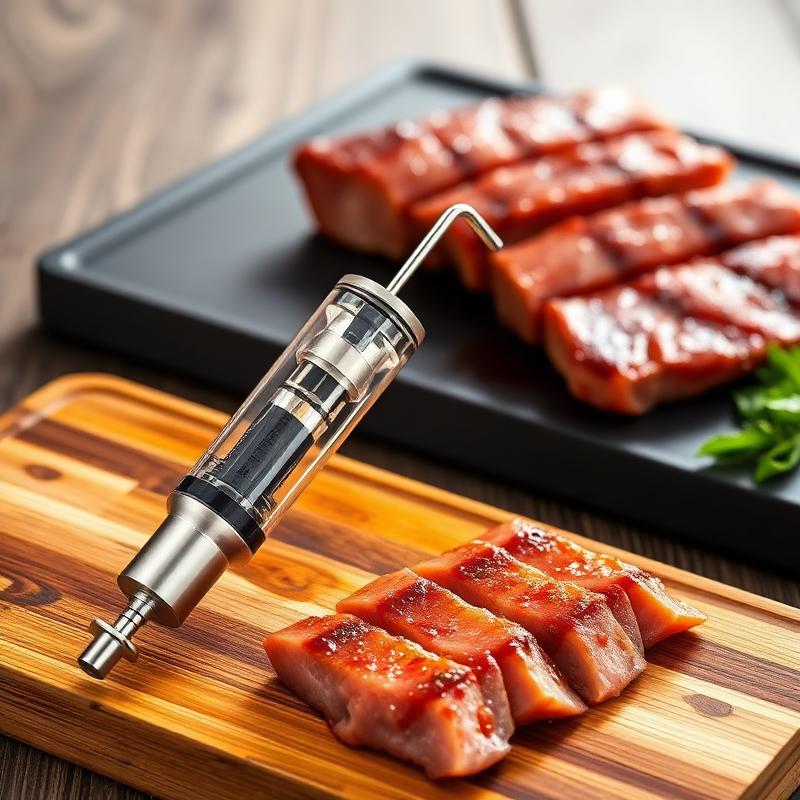
SpitJack Magnum Meat Injector
Professional-grade injector that handles thin marinades and thick butter-based injections. The secret weapon for competition brisket.
Read
Grilled Naan Bread
Soft, charred flatbread cooked directly on the grates. Better than store-bought and absurdly easy.
Read