
Texas-Style Brisket
Brisket is the Everest of backyard BBQ. A whole packer brisket demands patience, technique, and respect. But when you nail it — that jiggly, smoke-ringed, bark-crusted slab of beef — nothing else comes close. Here's the full guide.
Last Updated
Ingredients
- 1 whole packer brisket (12-15 lbs, USDA Choice or Prime)
- Coarse black pepper (16 mesh is ideal)
- Kosher salt (Diamond Crystal preferred)
- Post oak or hickory wood (for offset/stick burners)
- Hardwood pellets (for pellet grills — use oak or hickory blend)
- Beef tallow or butter (for wrapping, optional)
- Pink butcher paper
Step by Step
Trim the brisket
Trim the fat cap to about ¼ inch. Remove any hard fat chunks and the big deckle fat deposit between the point and flat. Trim aerodynamically — you want smoke to flow over the surface smoothly. This takes practice.
Season simply
Texas-style means salt and pepper. That's it. Use a 50/50 ratio of coarse black pepper and kosher salt. Apply generously — more than you think. Some pitmasters add a light coat of yellow mustard first as a binder, but it's optional.
Set up your smoker at 225-250°F
Fat side up or down depends on your smoker — fat side toward the heat source. For pellet grills, fat side down. Insert a probe thermometer into the thickest part of the flat.
Smoke until the stall (160-170°F)
This takes 6-8 hours. Don't open the lid. Don't panic. The stall happens when evaporative cooling matches the heat input — the internal temp will plateau for hours. This is normal.
Wrap in butcher paper
When the bark is set and mahogany-colored (around 165°F internal), wrap tightly in pink butcher paper. Some add a schmear of beef tallow before wrapping. Return to the smoker.
Cook to 200-205°F and probe tender
Temperature is a guide, not a rule. The brisket is done when a probe slides into the thickest part of the flat like butter — zero resistance. This is the 'probe tender' test.
Rest for at least 1 hour
Wrap in a towel and rest in a cooler for 1-4 hours. This redistributes juices and lets the collagen continue to break down. Cutting too early ruins everything.
Slice against the grain
The grain changes direction between the point and the flat. Slice the flat into pencil-thick slices. The point can be cubed for burnt ends or sliced thicker.
Pro Tips
- Buy USDA Prime if you can find it. The extra marbling makes a massive difference in the finished product — it's more forgiving of mistakes.
- The stall is where beginners quit. Trust the process. A full brisket can stall for 4+ hours. Wrapping pushes through it faster.
- Rest is not optional. An hour minimum, but 2-3 hours in a cooler produces the best results. Many competition pitmasters rest for 4+ hours.
- If you're using a pellet grill, start with smoke mode or the lowest setting for the first 3-4 hours for maximum smoke absorption.
Common Questions
Frequently Asked Questions
How long does Texas-Style Brisket take to cook?
What's the single most important tip?
Keep Reading
You might also like
How to Cook a Hot-and-Fast Brisket
Skip the 16-hour cook and still produce juicy, tender brisket in under 6 hours.
ReadHow to Smoke Meat Without a Smoker
Turn any gas or charcoal grill into a real smoker — no new equipment needed.
Read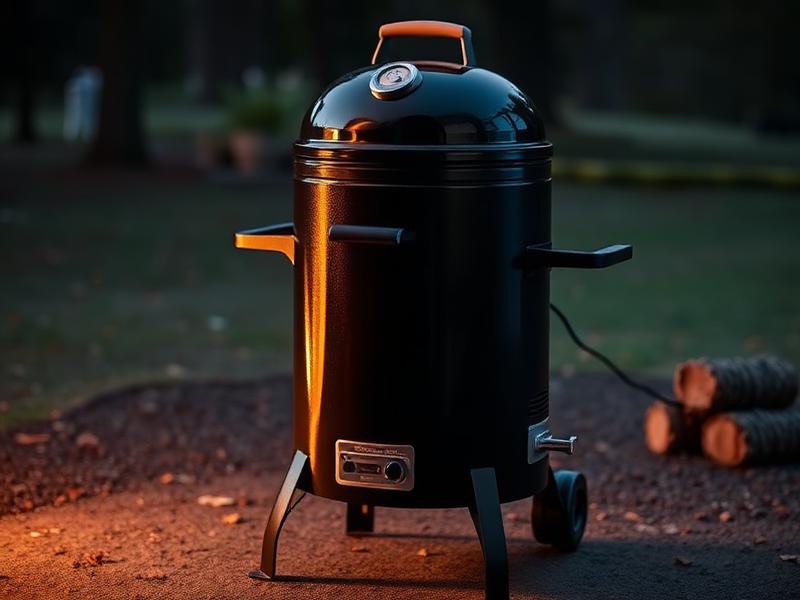
Bradley Smart Smoker 4-Rack
The bisquette-fed electric smoker — automatic wood feeding every 20 minutes for 9 hours of unattended smoke. The most automated smoker on the market.
ReadBest Pellet Grills
If you want set-and-forget smoking with WiFi and a 10-year track record, get the Traeger Pro 575. If you want better build quality at a similar price, get the Recteq RT-700. If you
Read