How to Clean a Blackstone Griddle After Every Cook
A flat-top griddle lives or dies by its post-cook routine. Five minutes of cleaning while the surface is still hot keeps the seasoning layer building, prevents rust, and means your next cook starts on a non-stick surface. Skip this routine and you'll be re-seasoning every other weekend.

Last Updated
Tools & Materials
- Metal scraper or bench scraper
- Paper towels
- Water bottle (squeeze type)
- High-smoke-point oil (avocado, canola, or Crisco)
- Heat-resistant gloves
Step by Step
Scrape immediately while the surface is hot
As soon as food comes off, use a metal bench scraper to push all the food bits, grease, and crust into the rear grease trap. Don't wait for it to cool — cold gunk is 10x harder to remove and damages your seasoning when you have to scrub it off.
Squirt water onto the hot surface
With the griddle still on (low to medium heat), squirt a generous splash of water across the cooking surface. It'll steam violently — that's the point. The steam lifts stuck-on residue without using soap, which would destroy the seasoning.
Scrape the steam-loosened residue away
Use the bench scraper to push the water and loosened residue into the grease trap. Repeat with another splash of water if any spots are still stuck. The surface should be visibly clean — no food bits, no greasy film.
Dry the surface completely
Wipe the surface dry with paper towels until they come up clean. Any water left to evaporate will cause flash rust within hours. The surface should be matte black/brown and bone dry.
Apply a thin oil coat for storage
Drizzle 1-2 tablespoons of high-smoke-point oil onto the surface, then spread it edge-to-edge with a wadded paper towel. Wipe back until the surface is barely glistening — you want a microfilm, not a puddle. Heavy oil left to sit goes gummy and ruins your seasoning.
Turn off, cover, and walk away
Shut off the burners. Once cool (about 30 minutes), put the hard cover or weather cover on. If you skipped seasoning at all, see [how to season a new griddle](/how-to/season-a-griddle) — restoring it is much easier than starting over after rust sets in.
Warnings
- Never use soap on a seasoned griddle. Soap strips the polymerized oil layer and you'll be back to bare steel.
- Never pour cold water on a screaming-hot griddle (700°F+ surface). The thermal shock can warp the cooking surface permanently. Turn down to medium-low first.
- Heat-resistant gloves are mandatory — the scraper handle gets hot fast, and a slip toward the hot surface is a serious burn.
How Often?
After every single cook. Skipping even once accelerates rust and forces a full reseason — see [fix rusty grill grates](/how-to/fix-rusty-grill-grates) for the same principles applied to grates.
Common Questions
Frequently Asked Questions
How long does it take to clean a blackstone griddle after every cook?
What tools do I need?
How often should I do this?
What safety issues should I watch for?
Keep Reading
You might also like
How to Season a New Griddle
Build the perfect non-stick surface from day one.
ReadHow to Fix Rusty Grill Grates (Cast Iron, Stainless & Porcelain)
One complete rust-removal and restoration process for every grate material — and how to know when to replace instead.
Read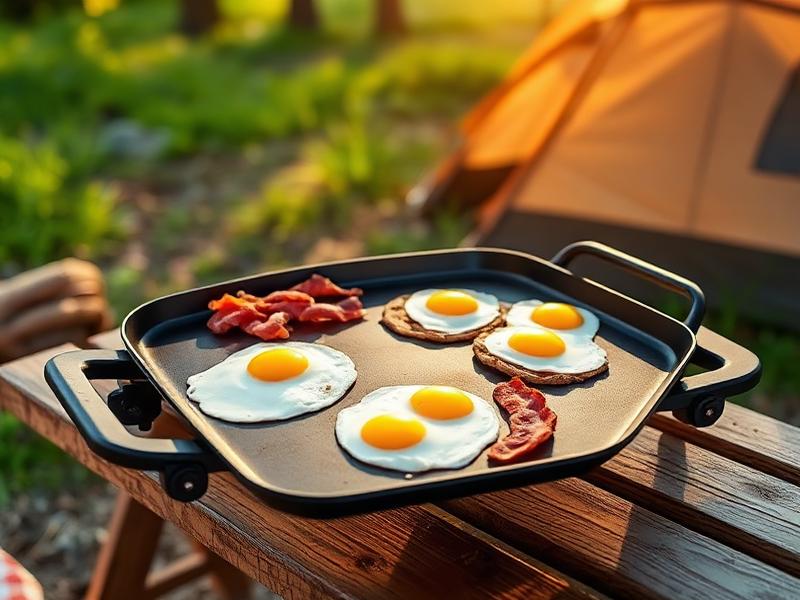
Blackstone 17-Inch Tabletop Griddle
The most portable Blackstone — 17 inches of flat top that fits in a backpack. Perfect for camping, tailgating, and picnics.
Read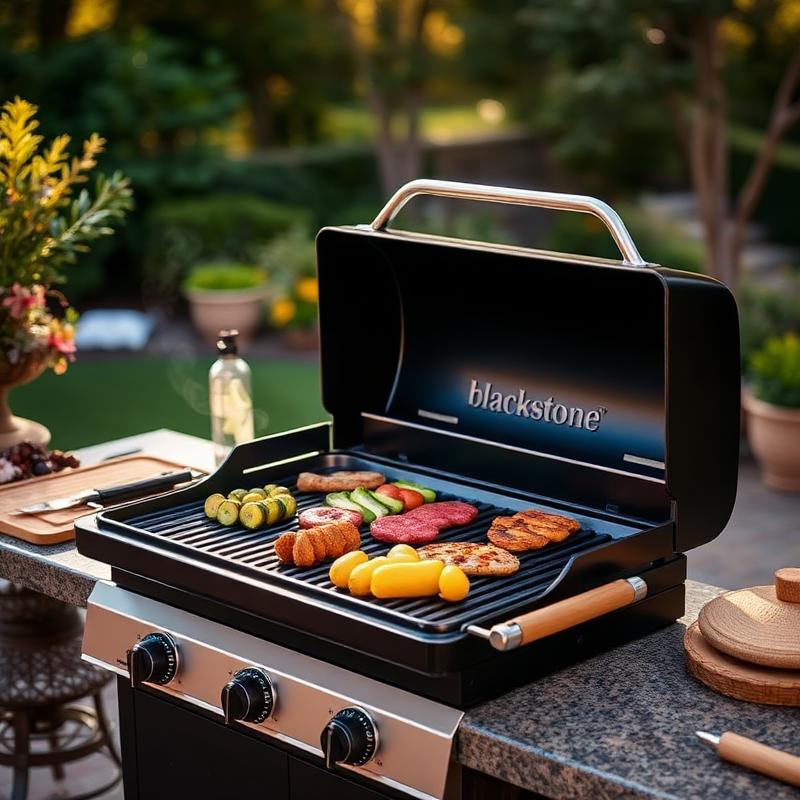
Blackstone 28-Inch Griddle
The compact Blackstone that fits smaller spaces without sacrificing flat-top performance. Perfect for patios, balconies, and camping.
Read
Blackstone Air Fryer Combo vs. Pit Boss Ultimate Plancha
Griddle plus air fryer in one rig. Two competing combos that promise to replace half your kitchen.
Read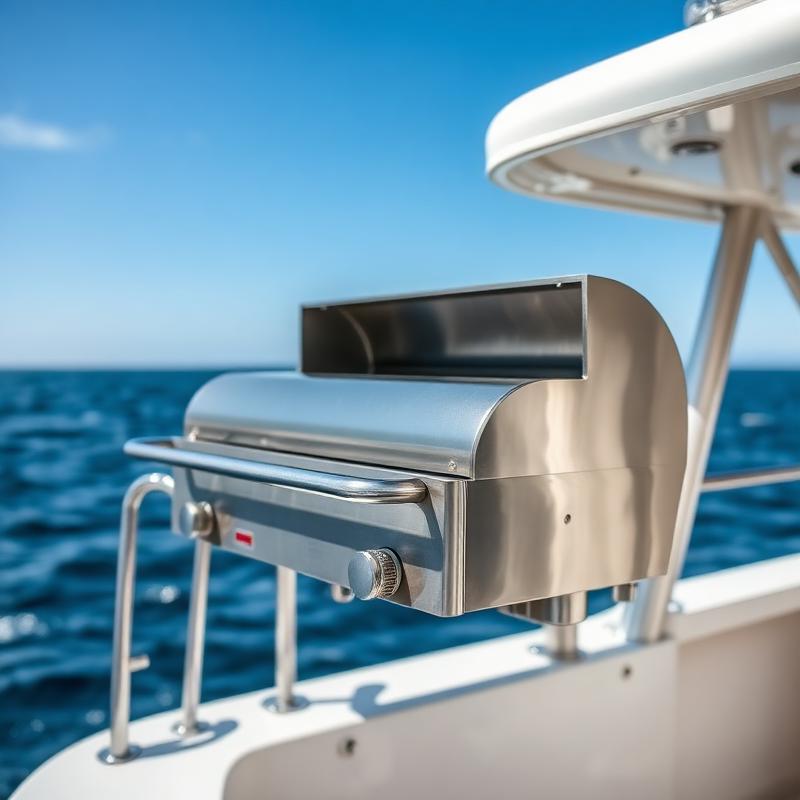
Marine Grill Maintenance: Beating Salt Corrosion
316 vs 304 stainless, the post-cook rinse routine, winterizing, and how to fix rust freckles before they become pitting.
Read