How to Deep Clean Grill Grates
Dirty grates cause flare-ups, affect flavor, and harbor bacteria. A deep clean twice a year — or whenever buildup gets heavy — restores even heat distribution and prevents food from sticking. Here's the method that works for every grate type.

Last Updated
Tools & Materials
- Grill brush (brass for porcelain, steel for cast iron/stainless)
- Dish soap
- Bucket or trash bag
- White vinegar or degreaser
- Paper towels
- Vegetable oil
Step by Step
Burn off residue
Close the lid and run your grill on high for 15 minutes. This carbonizes stuck-on food and grease, making it much easier to remove.
Scrub while hot
Using a quality grill brush, scrub the grates aggressively while they're still hot. The heat helps loosen debris. For stubborn spots, use a ball of aluminum foil held with tongs.
Remove and soak
Once cool enough to handle, remove the grates and soak in a trash bag or bin with hot water and dish soap (or a 50/50 vinegar-water solution) for 30 minutes to an hour.
Scrub, rinse, and dry
Scrub with a brush or non-scratch pad, rinse thoroughly, and dry completely. Any moisture left on cast iron will cause rust.
Re-oil cast iron grates
If your grates are cast iron, apply a thin coat of vegetable oil and heat briefly on the grill to re-season. Stainless and porcelain grates don't need this step.
Warnings
- Never use a wire grill brush on porcelain-coated grates — you'll chip the coating. Use brass bristles or a nylon brush.
- Check your brush for loose bristles before every use. Ingested wire bristles are a serious medical emergency.
- Never put hot grates in cold water — thermal shock can crack porcelain coatings and warp metal.
How Often?
Quick brush after every cook. Deep clean every 3-6 months depending on use.
Tools & Products You'll Need
Grillart Bristle-Free Brush $16
Safe cleaning with no loose bristles
GrillGate Grate Cleaner $12
Heavy-duty degreaser for tough buildup
Lodge Cast Iron Seasoning Spray $10
Re-season after deep cleaning
Common Questions
Frequently Asked Questions
How long does it take to deep clean grill grates?
What tools do I need?
How often should I do this?
What safety issues should I watch for?
Keep Reading
You might also like
How to Grill Fish Without It Sticking
The 7 rules that turn fish from a grill-grate disaster into a restaurant-quality presentation.
ReadHow to Stop Grill Flare-Ups for Good
Understand why flare-ups happen and eliminate them with these proven techniques.
Read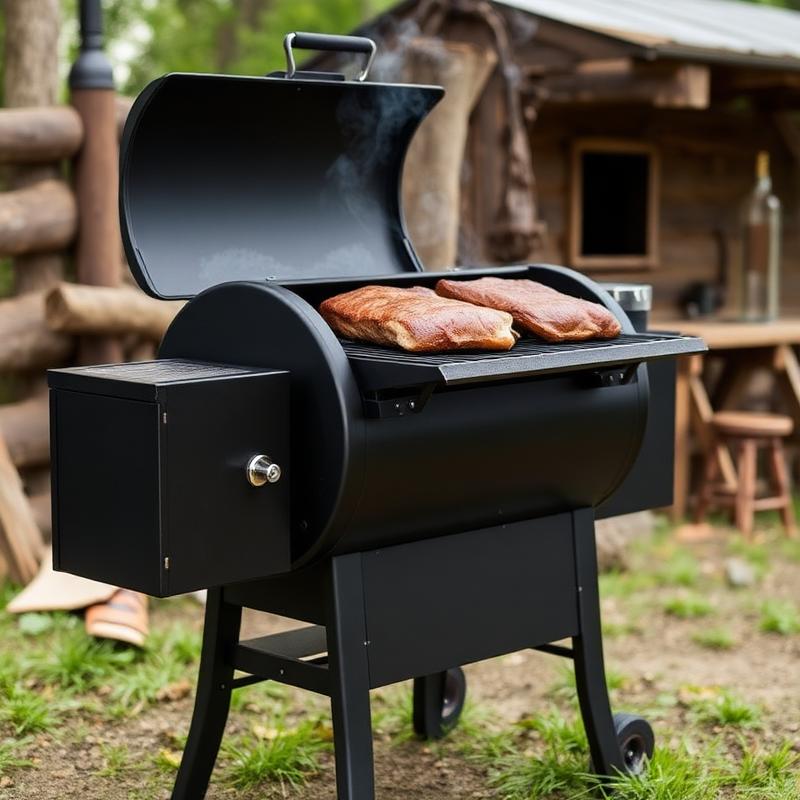
Lang 36 Patio Smoker
A reverse-flow offset built like a tank. Quarter-inch steel, even heat distribution, and the kind of smoke flavor that wins competitions.
Read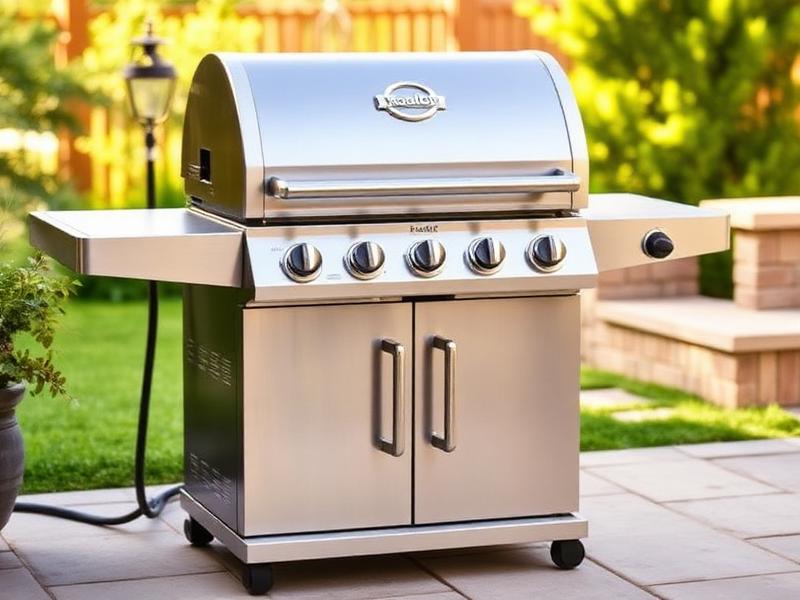
Napoleon Rogue XT 425
The grill enthusiast's gas grill. Infrared side burner, stainless construction, and heat distribution that embarrasses most competitors.
Read