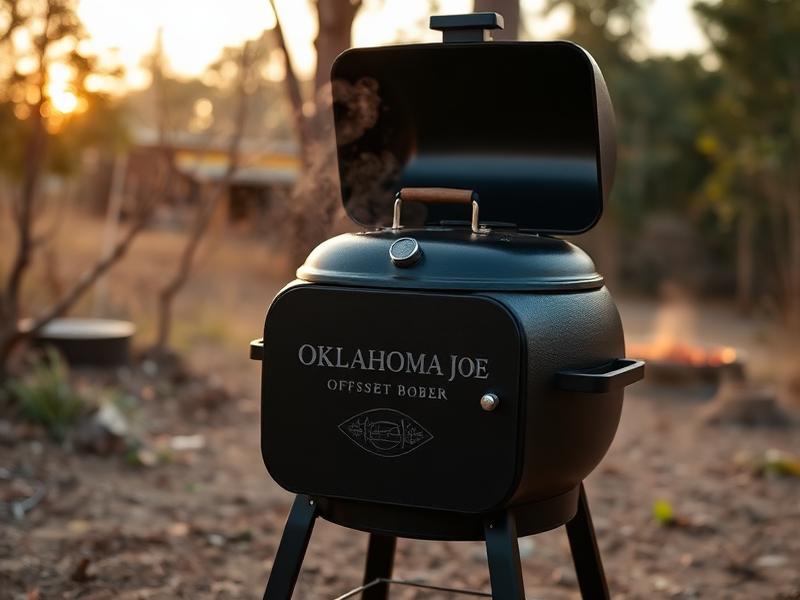
Lang 36 Patio Smoker

Last Updated
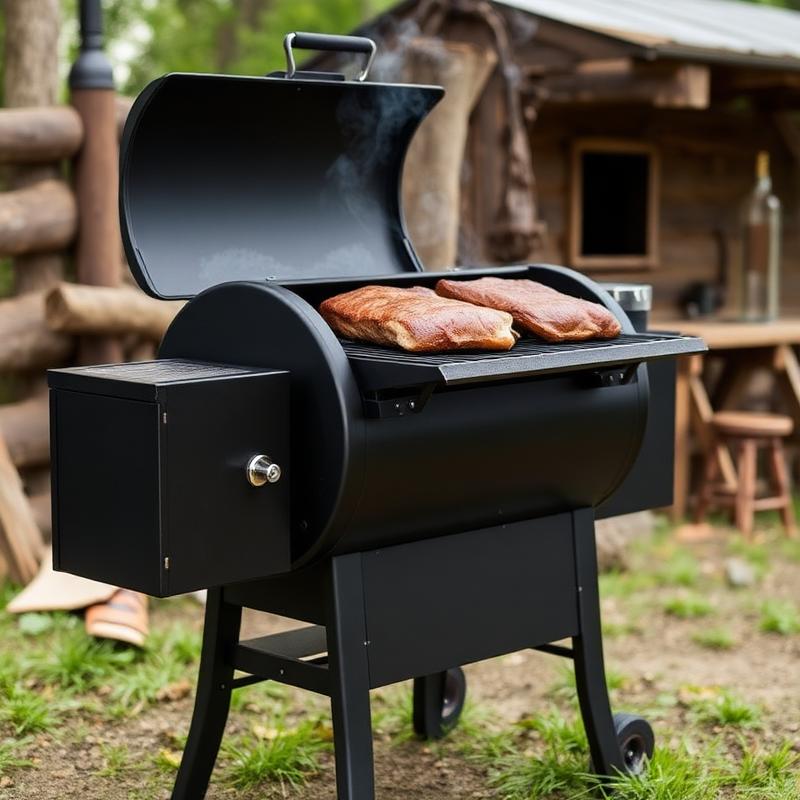
Lang smokers are built in Nahunta, Georgia by people who take barbecue personally. The 36 Patio is their entry-level model, and calling it 'entry-level' feels wrong — this is a quarter-inch steel, reverse-flow offset that produces competition-quality results out of the box.
What We Love
- +Quarter-inch steel construction — holds heat like a vault
- +Reverse-flow design for even temperature distribution
- +Virtually no hot spots across the cooking chamber
- +Built in the USA — welded, not bolted
- +Will literally last a lifetime
- +Produces the cleanest, most consistent smoke flavor
Watch Out For
- −$2,195 is serious money
- −Weighs over 300 lbs — not moving this alone
- −Requires fire management skills
- −6-8 week lead time (built to order)
Specifications
Cooking Area
576 sq in
Steel Thickness
1/4 inch
Design
Reverse flow offset
Fuel
Hardwood splits + charcoal
Weight
310 lbs
Dimensions
68" x 30" x 52"
Warranty
Limited lifetime
The Full Review
The Lang 36 Patio arrives on a pallet and immediately communicates seriousness. Quarter-inch steel throughout. Every seam is welded, not bolted. The firebox door closes with the kind of precision you'd expect from a safe.
Reverse-flow design is the key differentiator. Heat and smoke travel from the firebox, under a steel baffle plate to the far end of the cooking chamber, then reverse direction back over the food and out the exhaust. This eliminates the hot-side/cold-side problem that plagues standard offsets.
Owners probing the full cooking grate report less than 15°F variance from end to end. Compare that to 50-75°F on most stick burners. This consistency means you don't need to rotate meat during long cooks.
Fire management is real work. You're burning hardwood splits, not pressing buttons. A full cook requires attention every 45-60 minutes to maintain temperature. But the payoff — clean, wood-fired smoke flavor with a mahogany bark — is something no pellet grill can replicate.
The quarter-inch steel acts as a massive heat sink. Once up to temperature, it's incredibly stable. Even opening the lid barely affects chamber temperature because the steel holds so much thermal energy.
How Does It Compare?
At a glance against its closest offset smoker rivals.
| Grill | Rating | Price | Best For |
|---|---|---|---|
| Lang 36 Patio Smoker (this) | 4.8 | $2,195 | A reverse-flow offset built like a tank. |
| Bradley Smart Smoker 4-Rack | 4.4 | $899 | The bisquette-fed electric smoker — automatic wood feeding every 20 minutes for 9 hours of unattended smoke. |
| Smokin-It Model 1 | 4.6 | $799 | Commercial-grade stainless electric smoker built in the USA — bulletproof construction, perfect for sausage and jerky, and a small enough footprint for any patio. |
Who Is It For?
Serious barbecue enthusiasts ready to commit to stick-burning. Competition cooks who need consistent results. Anyone who values build quality and wants a smoker that will outlast them. Cooks willing to learn fire management for superior flavor.
Final Verdict
The Lang 36 Patio is the smoker you buy when you're done compromising. It's expensive, heavy, and requires skill — but it produces the best smoked meat I've ever made at home. This is an heirloom piece.
Check Price on Amazon