How to Fix Rusty Grill Grates (Cast Iron, Stainless & Porcelain)
Rust on grill grates isn't a death sentence — it's a maintenance issue. Grates rust whenever moisture sits on bare metal, and the right fix depends on what your grates are made of. Cast iron can be stripped to bare metal and re-seasoned indefinitely; stainless steel usually just needs the surface oxidation scrubbed off; porcelain-coated grates can only be spot-treated because the rust starts underneath a chipped coating. This guide covers all three, plus surface rust versus severe rust, and the point where replacement is the smarter call.

Last Updated
Tools & Materials
- Steel wool or wire brush
- Nylon or brass brush (for porcelain)
- White vinegar
- Baking soda
- Dish soap
- High-heat oil (flaxseed, avocado, or Crisco)
- Large plastic tub, bin, or trash bag
- Paper towels
- Heat-resistant gloves
Step by Step
Identify your grate material first
Cast iron is heavy, matte black or gray when bare, and magnetic. Stainless is lighter, silver, and shows fine orange 'tea staining' rather than deep flaking. Porcelain-coated grates (cast iron or steel underneath) are glossy black and chip rather than flake. The material dictates how aggressive you can be: cast iron and stainless tolerate steel wool and vinegar; porcelain does not.
Assess surface rust vs. severe rust
Surface rust is orange discoloration or light flaking that wipes off to reveal solid metal underneath — always fixable. Severe rust means deep pitting you can catch a fingernail in, bars that flex or crumble, or holes rusted through. Severe rust on cast iron is rare (it's thick); on thin steel or a porcelain grate with widespread chipping, it usually means replacement.
Deep clean before you attack the rust
Burn the grates off on high for 15 minutes, let them cool, then scrub away carbonized grease with a brush and warm soapy water. Rust removal only works on a clean surface — grease shields the oxidation from the vinegar and abrasives.
Cast iron: soak in a vinegar solution
Mix equal parts white vinegar and water in a tub or trash bag and submerge the grates for 1-2 hours. The acetic acid dissolves rust without damaging the iron underneath. Never soak longer than 4 hours — extended exposure pits the metal.
Stainless steel: scrub, don't soak long
Stainless rarely needs a full soak. Make a baking-soda-and-water paste, scrub along the grain of the metal with a stainless-safe pad or fine steel wool, and rinse. For heavier oxidation, a 30-minute vinegar soak is plenty. Always scrub with the grain to avoid leaving swirl scratches that trap moisture.
Porcelain-coated: spot-treat only
Do not soak porcelain grates — vinegar wicks under chips and accelerates corrosion beneath the coating. Instead, scrub rust spots gently with a nylon or brass brush and a baking soda paste, rinse, dry, and dab high-heat oil onto the exposed metal at each chip to seal it. Never use steel wool or a wire brush; you'll chip more of the coating and create new rust sites.
Scrub back to bare metal (cast iron and steel)
After soaking, scrub aggressively with steel wool or a wire brush — top, bottom, and between every bar. Post-soak rust comes off easily. Keep going until you see uniform bare gray metal with no orange left in the crevices.
Wash and dry immediately
Wash with warm soapy water to remove all vinegar residue and rust particles, then dry IMMEDIATELY and completely. Bare metal flash-rusts within minutes when wet. Towel dry, then set the grates on the grill over low heat or near a heat source for 10 minutes to drive off every trace of moisture.
Oil and season (cast iron and bare steel)
While the grates are still warm, apply a very thin coat of high-heat oil — flaxseed for the hardest finish, Crisco or avocado oil for convenience. Wipe until the oil is barely visible. Place the grates in the grill, close the lid, and run on high for 45-60 minutes until the oil stops smoking and polymerizes into a hard black layer.
Repeat the oil-and-heat cycle 2-3 times
Let the grill cool slightly, re-oil thinly, and heat again. Two or three cycles builds a durable, non-stick seasoning. Finished grates should be jet black and slightly glossy. Stainless doesn't polymerize the same way but still benefits from one light oil coat; porcelain needs oil only on chipped spots.
Know when to replace instead of restore
Replace the grates if metal is pitted deeper than roughly 1mm, if bars flex or snap under pressure, if there are holes rusted through, if a porcelain coating is flaking across most of the surface, or if restored grates re-rust within a couple of cooks despite proper care. OEM and aftermarket replacements typically run $30-60 a set — cheaper than repeatedly restoring a compromised grate.
Prevent it from coming back
Brush grates clean while hot after every cook, then wipe on a light oil coat. Keep the grill under a fitted, breathable cover, and never store grates wet. In humid or coastal climates, oil more often; before a long off-season, oil generously and store the grates indoors.
Warnings
- Never soak porcelain-coated grates in vinegar — it penetrates chips and corrodes the metal underneath the coating.
- Never use steel wool or a wire brush on porcelain — use nylon or brass bristles instead.
- Don't use oven cleaner or harsh chemicals on cast iron — they strip seasoning and can leave toxic residue.
- Don't run cast iron grates through a self-cleaning oven cycle — the extreme heat can crack or warp them.
- Never soak cast iron in vinegar for more than 4 hours; extended exposure pits the metal.
- After restoration, don't wash cast iron grates with soap. Scrub with a brush while hot and oil lightly after each cook.
- Grates with deep pitting or holes are structurally compromised. Replace them rather than restoring them again.
How Often?
Full rust restoration only as needed. Light oil coat after every cook, and a full re-seasoning once a season or whenever food starts sticking.
Tools & Products You'll Need
Replacement Cast Iron Grill Grates $40
When restoration isn't enough
Lodge Cast Iron Seasoning Spray $10
Re-season restored grates quickly
Steel Wool Pads $5
Heavy-duty rust removal
Common Questions
Frequently Asked Questions
How long does it take to fix rusty grill grates (cast iron, stainless & porcelain)?
What tools do I need?
How often should I do this?
What safety issues should I watch for?
Keep Reading
You might also like
How to Season Cast Iron Grill Grates
Build the same non-stick surface chefs swear by on their skillets — on your grill.
ReadHow to Winterize and Store Your Grill
Protect your investment through the off-season with proper storage prep.
Read
How to Season a New Grill: Step-by-Step Guide
Every new grill needs seasoning before its first real cook. Skip this step and you're eating factory residue with your first burger.
Read
Best Grill Covers: What Actually Protects Your Grill
Cheap covers shred in one season. Here are the covers worth buying — for kettles, gas grills, kamados, and pellet smokers.
Read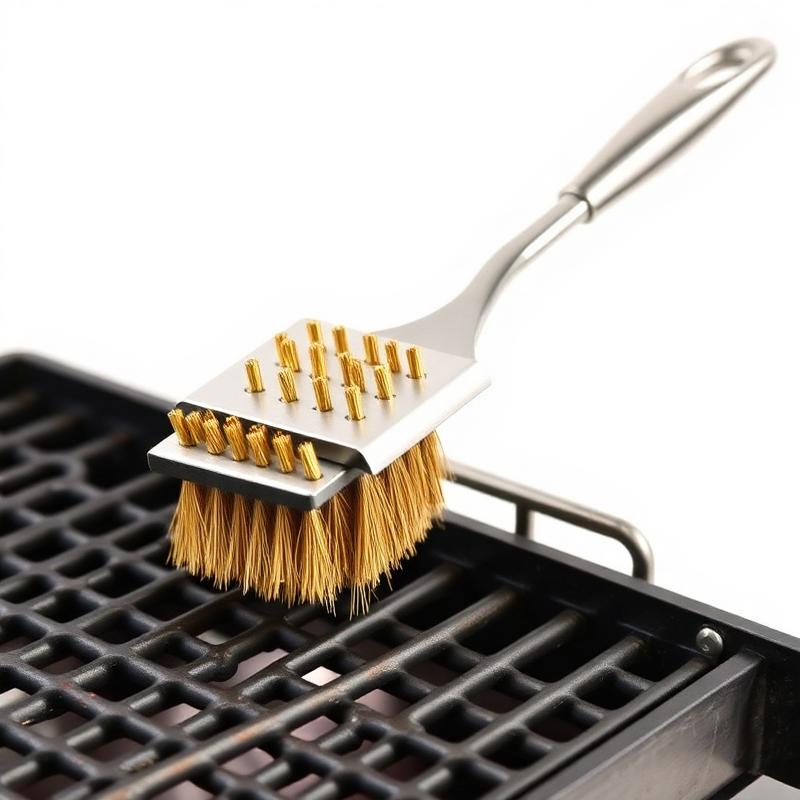
Grillart Bristle-Free Grill Brush
No loose bristles, no hospital visits. This coil-spring brush cleans grates safely and effectively.
Read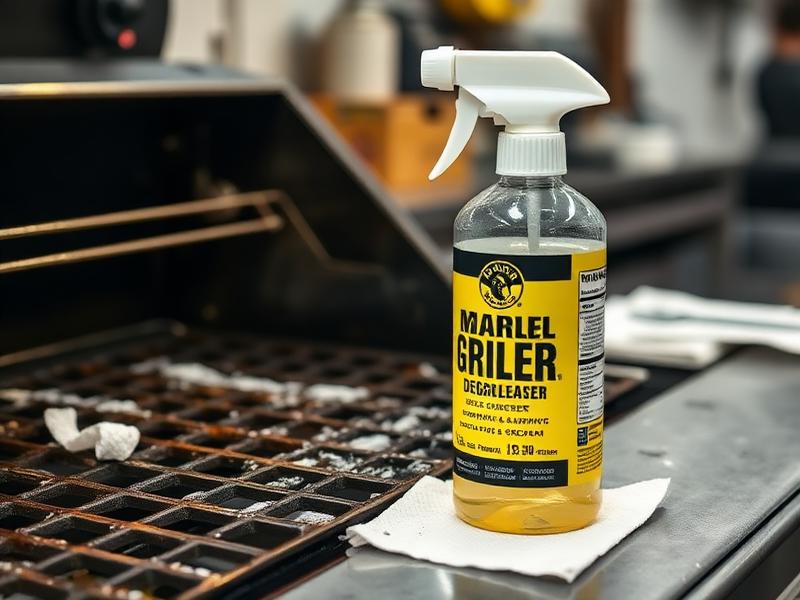
Easy-Off Professional Grill Cleaner
The nuclear option for filthy grates. Spray on, wait 10 minutes, wipe off months of baked-on grease. Nothing else comes close.
Read