Tandoor Home Clay Oven

Last Updated
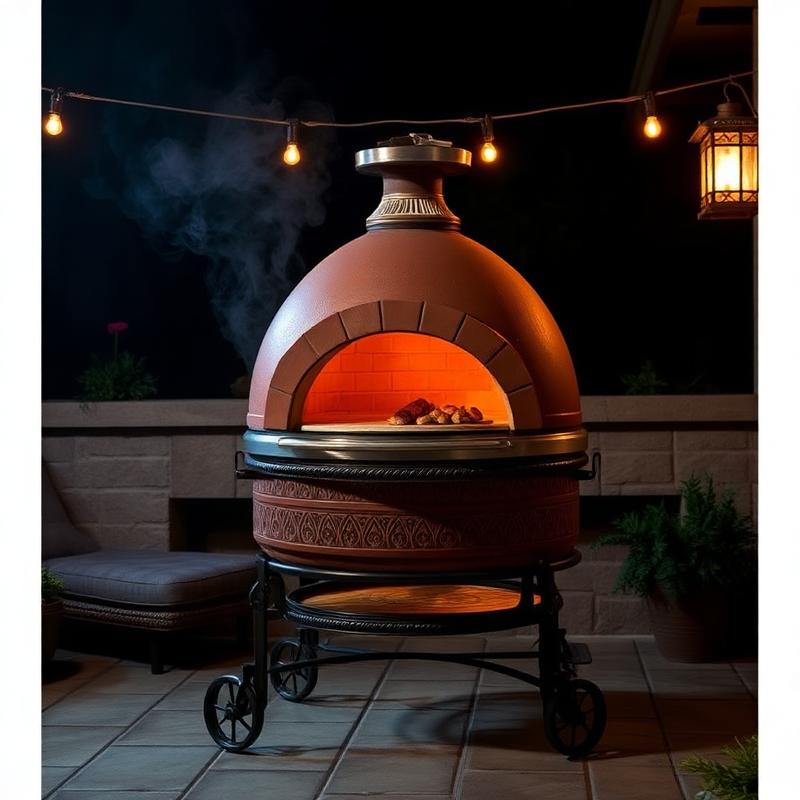
A tandoor is a cylindrical clay oven used across South Asian and Middle Eastern cuisine. It reaches 700°F+ and cooks by intense radiant heat from the clay walls. Nothing else replicates the char, smoke, and texture of tandoor cooking.
What We Love
- +Authentic tandoori cooking experience
- +700°F+ radiant heat from clay walls
- +Makes restaurant-quality naan at home
- +Intense flavor on meats and vegetables
- +Cultural cooking tradition with deep roots
- +Conversation starter at any gathering
Watch Out For
- −Heavy and not portable (100+ lbs)
- −Learning curve for bread slapping technique
- −Needs 30-45 min preheat time
- −Limited to specific types of cooking
- −Charcoal fuel and maintenance required
Specifications
Interior Temp
700°F+
Fuel
Charcoal or wood
Material
Clay interior, stainless steel exterior
Weight
100-150 lbs
Dimensions
Varies (typically 20-24" diameter)
Use
Stationary outdoor
The Full Review
A home tandoor is the answer to years of disappointing homemade naan. Dough slapped onto a 700°F clay wall comes off perfect, bubbly and charred about 90 seconds later — which is why the tool has survived for 5,000 years.
Chicken tikka on skewers in a tandoor is incomparable. The radiant heat from all directions creates char without burning, and the intense temperature seals in moisture. Restaurant-quality results from day one.
Seekh kebabs, lamb chops, and paneer tikka are equally stunning. The clay oven adds a flavor dimension that no gas or charcoal grill can match — it's not quite smoky, not quite charred, but something uniquely tandoori.
The learning curve is the bread. Slapping naan dough onto a vertical clay wall at 700°F takes practice. Expect to lose a few rounds to gravity before you get the technique. YouTube tutorials help enormously.
Maintenance involves periodic cleaning and protecting from rain. The clay is porous and can crack if it absorbs water and then heats rapidly.
How Does It Compare?
At a glance against its closest tandoor oven rivals.
| Grill | Rating | Price | Best For |
|---|---|---|---|
| Tandoor Home Clay Oven (this) | 4.5 | $399 | Authentic Indian cooking at home — 700°F+ radiant heat for naan, chicken tikka, and seekh kebab that no grill can replicate. |
| Magma Marine Kettle 3 Charcoal Grill | 4.5 | $389 | Charcoal flavour on the water — a hemispherical 316 stainless kettle with a hinged lid and a bottom that stays cool enough to mount. |
| Magma ChefsMate Connoisseur Series Gas Grill | 4.3 | $349 | The dock-and-deck crossover — Magma's marine build quality in a tabletop shape that works on a boat, a dock or a tailgate. |
Who Is It For?
Indian food enthusiasts who want restaurant-quality tandoori cooking at home. Adventurous cooks exploring global cooking traditions. Naan lovers who refuse to accept oven-baked substitutes. Anyone building an outdoor cooking collection beyond grills.
Final Verdict
A home tandoor is the most specialized outdoor cooker you can buy — and one of the most rewarding. If you love Indian cuisine, this will transform your cooking. At $399, it's cheaper than most premium grills and infinitely more interesting.
Check Price on Amazon