Japanese CraftYakitori Grill

Konro Yakitori Charcoal Grill

Last Updated
First Published

FreshThis review was last reviewed on May 24, 2026.
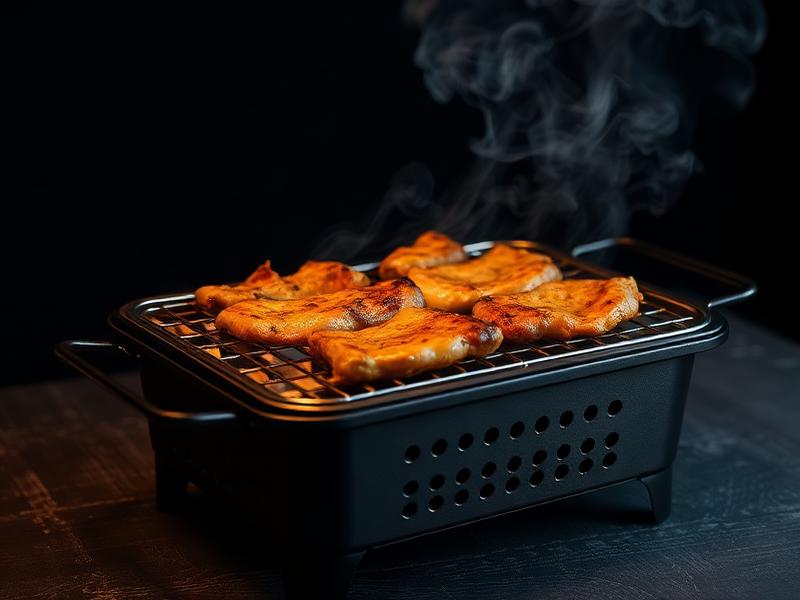
Konro Yakitori Charcoal Grill yakitori grill product photo

Yakitori grilling is huge in Japan and exploding in the US restaurant scene. The Konro brings that experience home — a narrow ceramic charcoal grill designed specifically for skewer cooking over binchotan (Japanese white charcoal).

What We Love

  • +Authentic Japanese grilling experience
  • +Ceramic insulation keeps exterior cool
  • +Binchotan burns extremely clean and hot
  • +Perfect for skewers, small cuts, and vegetables
  • +Impressive conversation starter
  • +Compact and easy to store

Watch Out For

  • Binchotan charcoal is expensive ($25-40/bag)
  • Narrow cooking surface limits food types
  • Fragile ceramic body can crack if dropped
  • Learning curve for binchotan management

Specifications

Cooking Area

~150 sq in

Fuel

Binchotan (Japanese white charcoal)

Material

Diatomaceous earth ceramic

Dimensions

21" x 6" x 7"

Weight

12 lbs

Use

Tabletop

The Full Review

The Konro grill is a completely different grilling experience. Forget burgers and brats — this is about precision cooking small items on skewers directly over blazing binchotan charcoal.

Binchotan is the key. This Japanese white charcoal burns at 1,800°F+, produces almost no smoke, and lasts for hours. It's the cleanest-burning fuel I've ever used. Food cooked over binchotan has a unique flavor — clean, slightly sweet, with a perfect char.

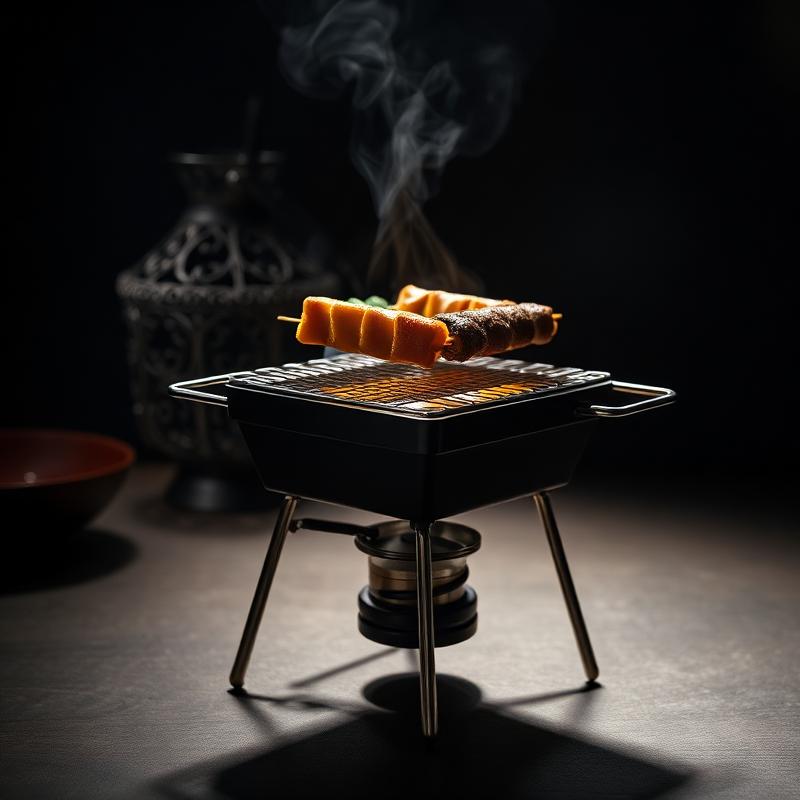
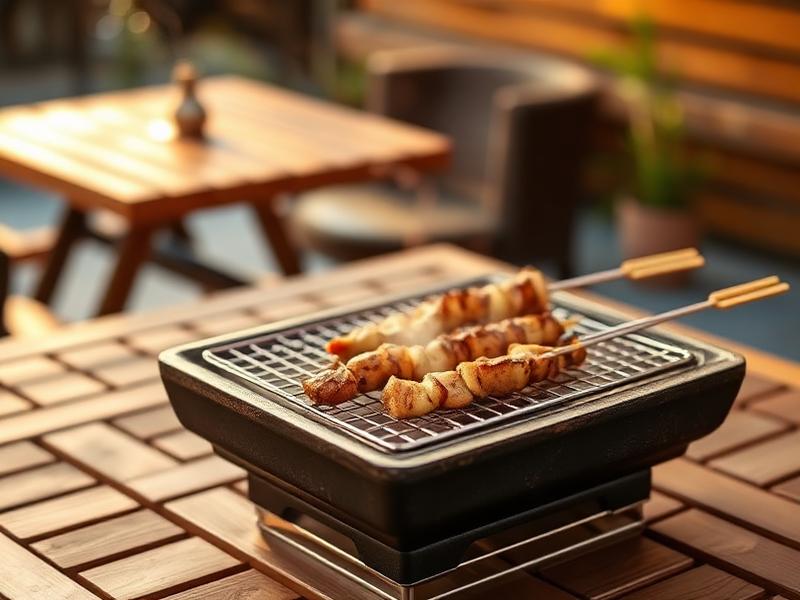
The ceramic body is narrow by design — skewers lay across the top with the handles hanging off the sides. This means you can cook dozens of skewers of chicken thigh, asparagus, shishito peppers, and mushrooms in quick succession. The intense heat cooks skewers in 3-4 minutes per side.

I set up the Konro on my patio table for a dinner party and it was the hit of the night. Guests grilled their own skewers — it turns dinner into interactive entertainment.

The ceramic body is excellent insulation — the exterior stays warm but never dangerously hot. You can use it on a wooden table with a heat mat underneath.

How Does It Compare?

At a glance against its closest yakitori grill rivals.

GrillRatingPriceBest For
Konro Yakitori Charcoal Grill (this) 4.6$149Authentic Japanese tabletop grilling — binchotan charcoal, ceramic insulation, and skewer cooking that turns dinner into an experience.
Char-Broil Big Easy TRU-Infrared 4.4$129Cooks a 16-lb turkey in 2.
Korean BBQ Tabletop Charcoal Grill 4.5$89KBBQ at home is exploding on social media.

Who Is It For?

Japanese food enthusiasts and home cooks who want authentic yakitori. Entertaining hosts who want an interactive dining experience. Apartment dwellers who want a compact, low-smoke grilling option. Adventurous cooks exploring global grilling traditions.

Final Verdict

The Konro Yakitori Grill is a niche product that delivers an extraordinary experience. It won't replace your main grill, but it'll become your favorite way to cook skewers and small cuts. At $149, it's an affordable entry into Japanese grilling culture.

Check Price on Amazon
Common Questions

Frequently Asked Questions

Is the Konro Yakitori Charcoal Grill worth the price?
The Konro Yakitori Grill is a niche product that delivers an extraordinary experience. It won't replace your main grill, but it'll become your favorite way to cook skewers and small cuts. At $149, it's an affordable entry into Japanese grilling culture. At $149, it earns its sticker — the build quality and feature set justify the cost for the right buyer.
Who is the Konro Yakitori Charcoal Grill best for?
Japanese food enthusiasts and home cooks who want authentic yakitori. Entertaining hosts who want an interactive dining experience. Apartment dwellers who want a compact, low-smoke grilling option. Adventurous cooks exploring global grilling traditions.
What are the biggest strengths of the Konro Yakitori Charcoal Grill?
The standout strengths: Authentic Japanese grilling experience; Ceramic insulation keeps exterior cool; Binchotan burns extremely clean and hot. Also worth noting: Perfect for skewers, small cuts, and vegetables.
What are the downsides of the Konro Yakitori Charcoal Grill?
The honest trade-offs: Binchotan charcoal is expensive ($25-40/bag); Narrow cooking surface limits food types; Fragile ceramic body can crack if dropped. None are dealbreakers for most buyers, but worth knowing before you commit.
Where is the best place to buy the Konro Yakitori Charcoal Grill?
Amazon typically has the most competitive price and fastest shipping for the Konro Yakitori Charcoal Grill. Check the manufacturer's site for occasional direct sales, and big-box stores (Home Depot, Lowe's) if you want to inspect one in person before buying.

From around the web

More about yakitori grills

Is charcoal grilling really better than gas?
For flavor — yes, demonstrably. Charcoal burns hotter (700°F+) and produces aromatic compounds that gas can't replicate. The trade-off is time: 20-30 minutes to light coals vs. 8 minutes to preheat gas. Most charcoal lovers keep a gas grill for weeknights and break out the charcoal on weekends.
How long does charcoal stay hot in a grill?
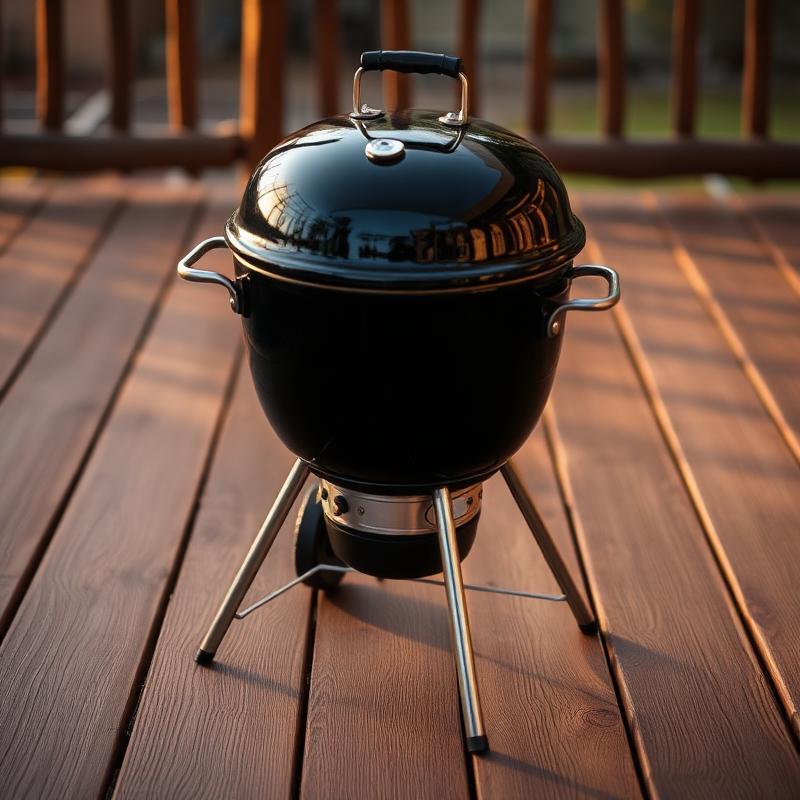
A full chimney of lump charcoal burns hot (500-700°F) for about 45-60 minutes, then settles into a 300-400°F window for another hour. With vents managed properly and the lid down, a Weber Kettle can hold 225°F for 8+ hours using the snake method.
Lump charcoal vs. briquettes — what's the difference?
Lump is pure charred wood: burns hotter, faster, and cleaner with more wood flavor. Briquettes are compressed charcoal dust + binders: burn longer and more evenly but produce more ash and a slightly chemical taste. Briquettes win for low-and-slow; lump wins for searing.
Do you close the lid when grilling with charcoal?
Yes, almost always. The lid traps heat and turns your grill into a convection oven, cooking food evenly from all sides instead of just the bottom. Only leave it open for very thin items (under 1 inch) where you want pure direct radiant heat.