Kaginushi Konro Hibachi Grill

Last Updated
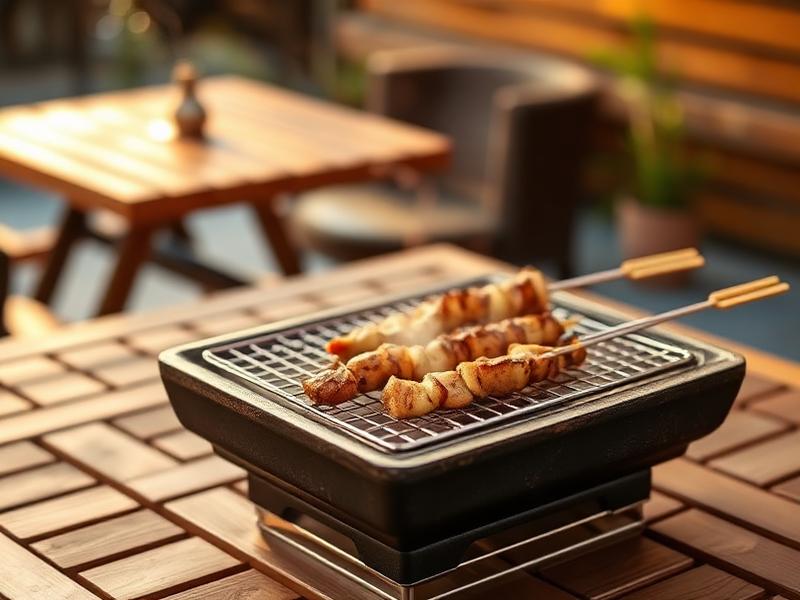
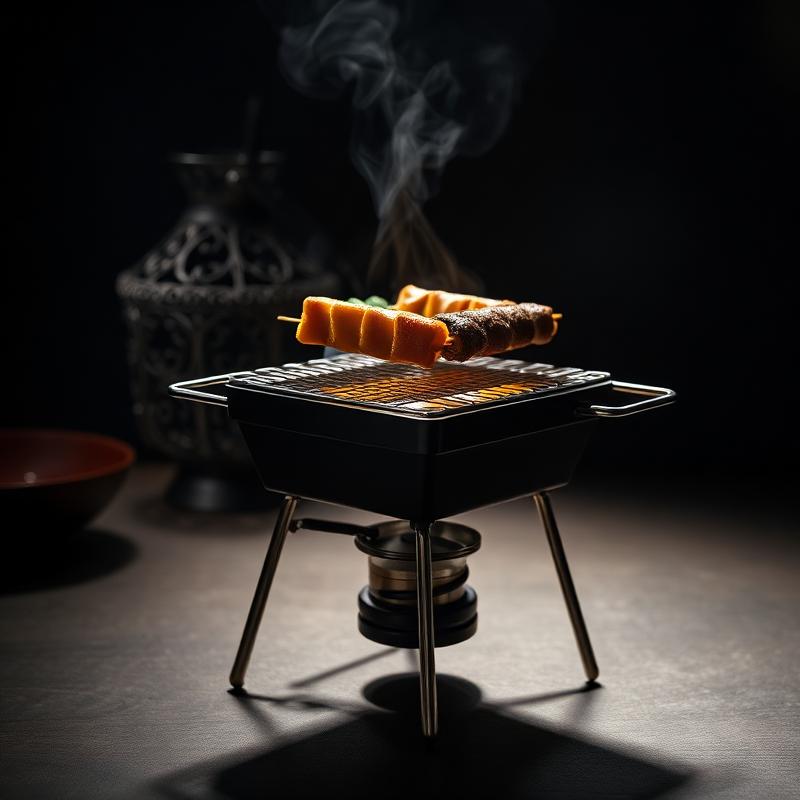
The konro grill is the secret weapon of Japanese yakitori restaurants. Made from diatomite (a lightweight, heat-resistant ceramic), it produces intense, even radiant heat that chars food beautifully while using minimal charcoal. This is grilling at its most elemental.
What We Love
- +Authentic diatomite ceramic construction
- +Incredible radiant heat for searing
- +Uses very little charcoal (binchotan ideal)
- +Minimal smoke production
- +Lightweight despite ceramic construction
- +Perfect for yakitori, yakiniku, and small cuts
Watch Out For
- −$135 for a small cooking surface
- −Fragile — will crack if dropped
- −Requires binchotan charcoal for best results ($$)
- −Cooking surface fits 6-8 skewers max
- −Not for large cuts of meat
- −Charcoal management takes practice
Specifications
Material
Diatomite ceramic
Cooking Area
~150 sq in
Ideal Fuel
Binchotan charcoal
Weight
8 lbs
Dimensions
15" x 7" x 6"
Origin
Japan
The Full Review
The konro grill changed how I think about grilling. Instead of blasting heat at large cuts of meat, it focuses intense radiant energy on small, delicate pieces — chicken thighs on skewers, thinly sliced wagyu, grilled vegetables, even mochi.
The diatomite ceramic body absorbs heat and radiates it evenly across the cooking surface. With proper binchotan charcoal (the hard, long-burning Japanese charcoal), you get a clean, intensely hot cooking surface with almost no smoke. The flavor comes from the drippings hitting the charcoal and flashing back as steam and aroma.
Binchotan is the ideal fuel but it's expensive ($30-40 per bag). Regular lump charcoal works too — you'll get more smoke and less even heat, but the results are still excellent. I use binchotan for special dinners and lump charcoal for casual weeknight yakitori.
The cooking surface is small — about 15" x 7". This is a feature, not a bug. It forces you into the Japanese grilling philosophy: small portions, intense attention, perfect execution. You're not batch-cooking 20 burgers. You're grilling 8 perfect yakitori skewers.
Handle with care — diatomite is fragile. Don't drop it, don't thermal shock it (let it cool naturally), and store it inside during winter.
How Does It Compare?
At a glance against its closest ceramic hibachi rivals.
| Grill | Rating | Price | Best For |
|---|---|---|---|
| Kaginushi Konro Hibachi Grill (this) | 4.7 | $135 | An authentic Japanese konro grill made from diatomite ceramic. |
| Lodge Sportsman's Hibachi | 4.5 | $99 | A 17-lb cast iron hibachi that sears like a steakhouse and lasts forever. |
| Coleman Sportster Propane Grill | 4.2 | $79 | A compact, no-frills tabletop grill with a lid for real grilling at the campsite. |
Who Is It For?
Japanese food enthusiasts who want authentic yakitori at home. Foodies who appreciate focused, high-quality grilling over volume. Apartment dwellers with balconies (minimal smoke). Anyone curious about Japanese grilling traditions.
Final Verdict
The konro grill is a niche product for dedicated food lovers. At $135 it's not cheap for a small cooking surface, but the quality of food it produces is genuinely restaurant-level. If yakitori and yakiniku excite you, this is essential.
Check Price on Amazon