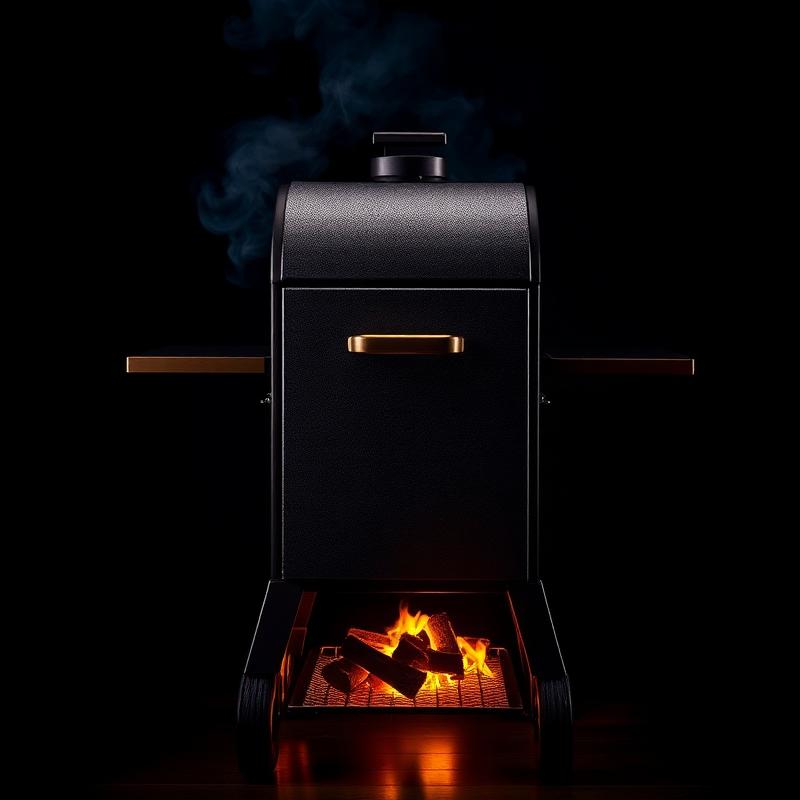
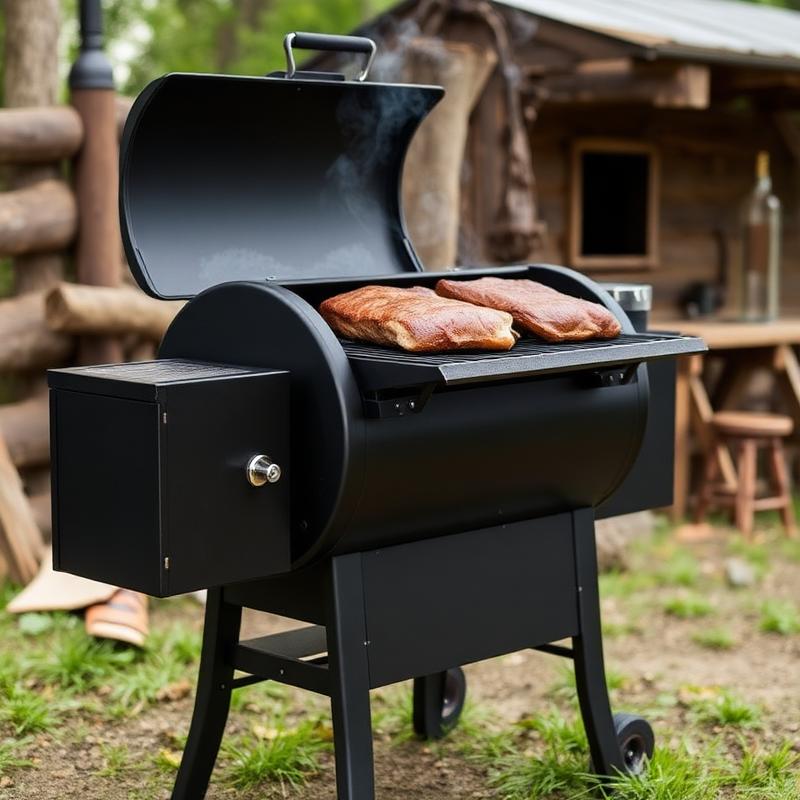
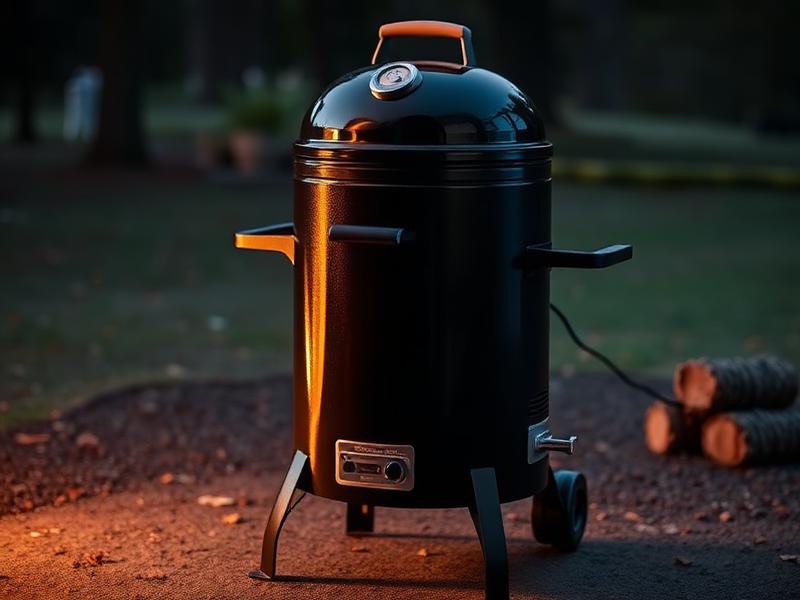
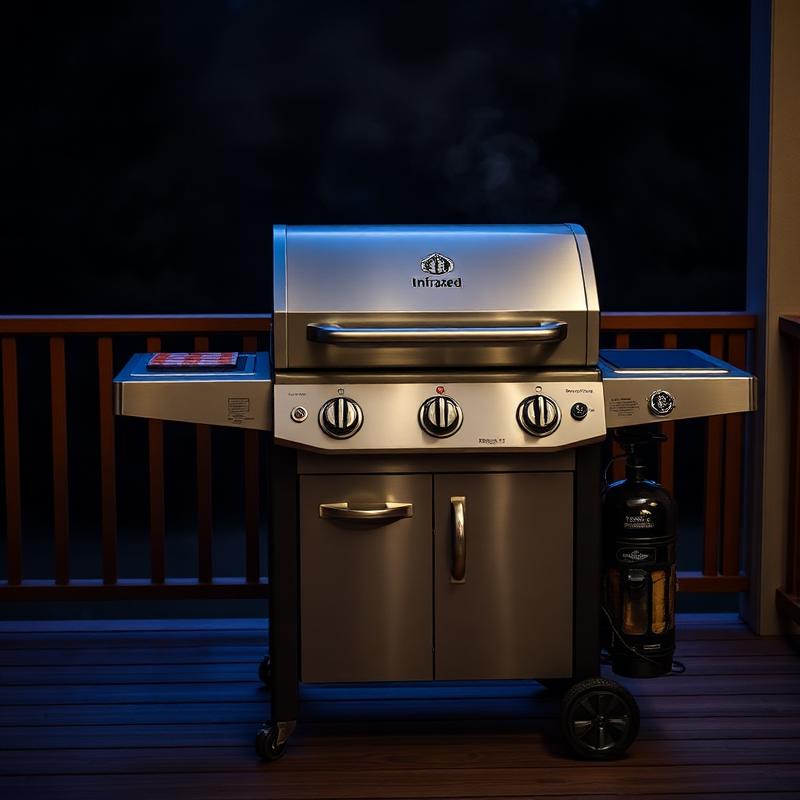
Smokers are a category, not a single thing. Offsets burn split logs and demand attention. Verticals like the Weber Smokey Mountain hold temp for 12+ hours on briquettes. Drum smokers turn out competition-quality ribs with almost no effort. Pellet grills are the easy-mode option. This hub covers all of it — reviews, head-to-heads, brisket and pork-shoulder recipes, and the maintenance work that keeps your smoker producing for years.
Pick your smoker style
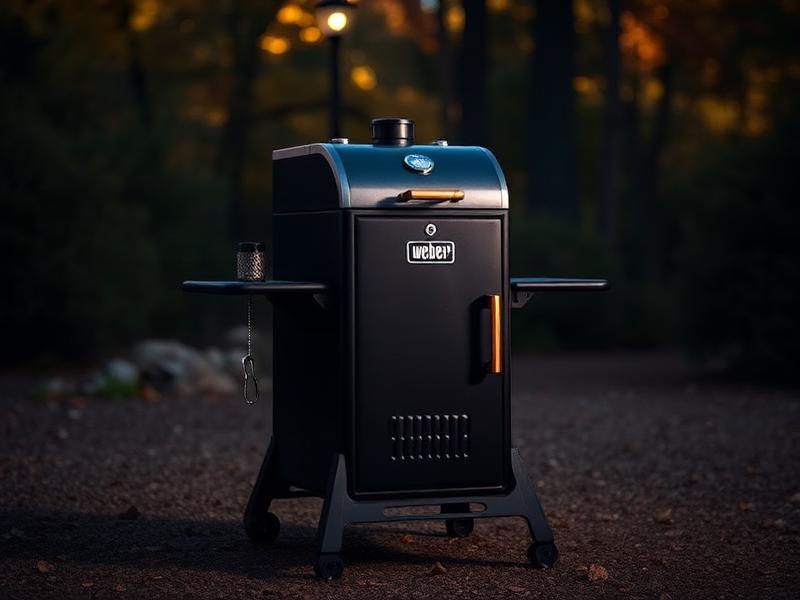
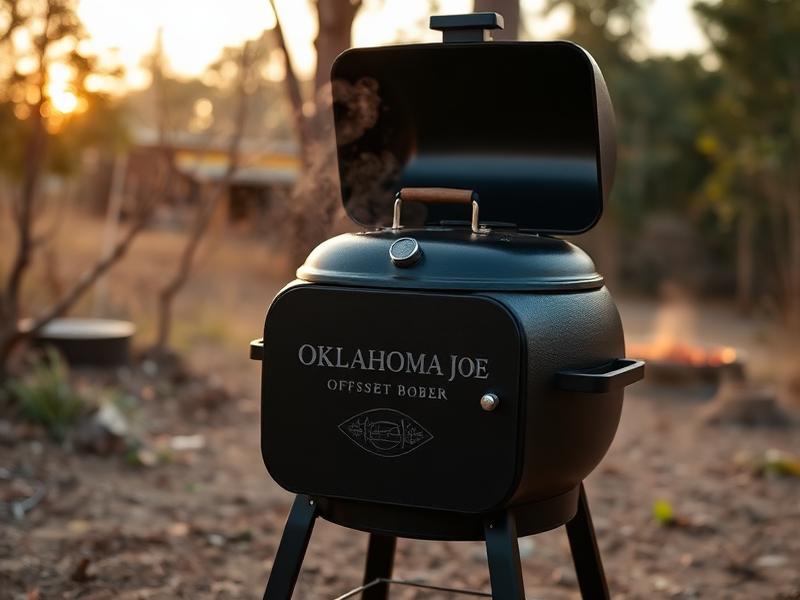
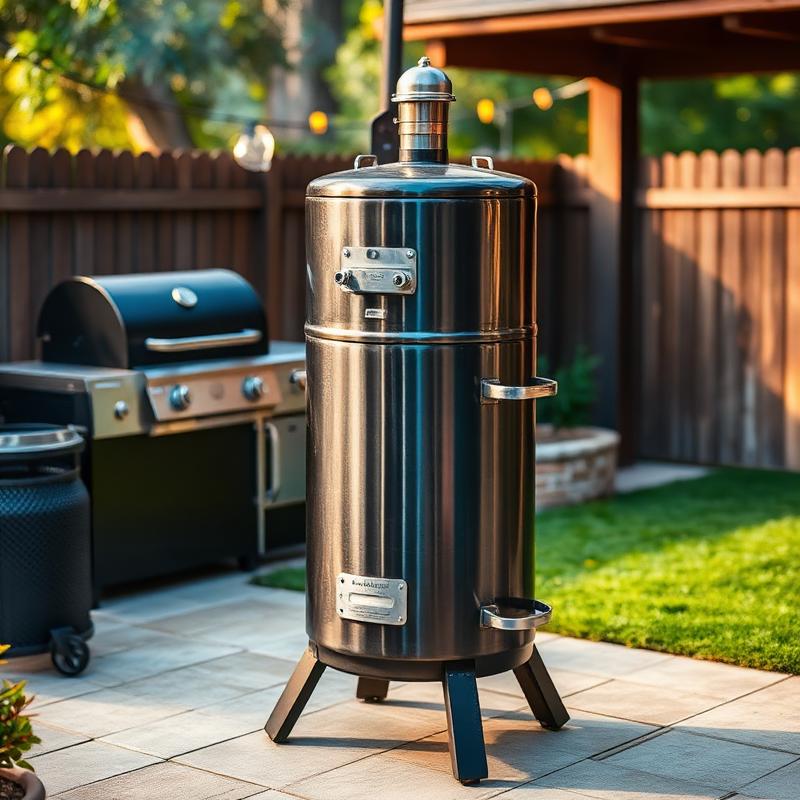
Offset stick-burners (Oklahoma Joe Highland, Workhorse 1975) deliver the deepest, cleanest smoke flavor — and demand the most skill. Vertical water smokers (Weber Smokey Mountain, Pit Barrel Cooker) are dead simple and produce competition-grade results with a learning curve measured in hours, not months. Pellet grills automate the temperature control entirely. Choose based on how much time you want to spend tending a fire.
Temperature control fundamentals
All smoking comes down to airflow management. A clean blue smoke at 225–275°F is the goal. White, billowing smoke means your fire is starved for oxygen and your food will taste acrid. Use a leave-in probe thermometer and trust it over the dome gauge — they're often 25°F off.
What to cook first
Pork shoulder is the forgiving champion — almost impossible to dry out, finishes around 203°F internal, makes incredible pulled pork. Ribs are the next step up (3-2-1 method works on any smoker). Brisket is the boss-level cook — plan 1.5 hours per pound, stall and all, and don't open the lid every 20 minutes.
Every smokers review on the site
11 models tested
Buyer's guides & long-reads
Buyer's Guide · Smokers
Offset Smoker Buyer's Guide
Guide · Advanced · 18 min read
The Complete Guide to Smoking Meat
From first brisket to competition-level barbecue. Everything that matters for low-and-slow barbecue, from a cold-climate perspective.
Guide · Budget · 11 min read
Best Smokers Under $300
You don't need to spend a fortune to make great barbecue. These budget smokers prove it.
Guide · Pillar Guide · 18 min read
The Smoker Maintenance Bible
How to make your smoker last 15 years instead of 3 — cleaning schedules, rust prevention, gasket replacement, and the maintenance mistakes that destroy grills.
Guide · Pillar Guide · 20 min read
The Complete Wood and Smoke Flavor Guide
Match every wood to every meat. The science of smoke, how to read your fire, and why the wood you choose matters more than the rub.
Guide · Pillar Guide · 25 min read
The Complete Brisket Mastery Guide
Everything from selection to slicing. The science, the timing, the recovery from mistakes — the pillar guide to the meat that defines BBQ.
Guide · Accessories · 7 min read
Best Heat-Resistant Grill Gloves: Tested for Real BBQ Work
The gloves that actually let you grab a hot grate, lift a 14-lb brisket, and dig coals out of a chimney — without melting.
Guide · Accessories · 8 min read
Best Grill Covers: What Actually Protects Your Grill
Cheap covers shred in one season. Here are the covers worth buying — for kettles, gas grills, kamados, and pellet smokers.
Guide · Accessories · 7 min read
Best Meat Injectors: For Brisket, Pork, and Turkey
Injection beats marinade for big cuts. Here are the injectors competition cooks actually use.
Guide · Accessories · 6 min read
Best Smoke Tubes: Add Real Wood Smoke to Any Grill
A $20 perforated stainless steel tube turns a gas grill into a smoker. Here's which one to buy and how to use it.
Head-to-head comparisons
Recipes for this cooker

Advanced · 14-18 hours
Texas-Style Brisket

Intermediate · 6 hours
Competition-Style Pork Ribs
Intermediate · 12-14 hours
Smoked Pulled Pork

Intermediate · 4-5 hours (plus overnight brine)
Hot Smoked Salmon

Intermediate · 5-6 hours
Smoked Whole Turkey
Advanced · 14-16 hours
Smoked Burnt Ends

Intermediate · 2 hours
Smoked Mac and Cheese
Intermediate · 6 hours
Smoked Baby Back Ribs (3-2-1 Method)

Easy · 1.5 hours
Smoked Chicken Thighs

Intermediate · 4-5 hours
Smoked Prime Rib Roast
Intermediate · 5-6 hours
Smoked Pork Belly Burnt Ends

Intermediate · 3 hours
Smoked Tri-Tip

Advanced · 8–10 hours
Smoked Beef Ribs (Dino Ribs)

Easy · 3 hours
Smoked Bologna

Intermediate · 3.5 hours
Smoked Meatloaf

Intermediate · 4 hours
Smoked Turkey Breast

Intermediate · 4 hours
Smoked Brisket Chili

Easy · 2 hours
Smoked Cream Cheese
Maintenance & how-tos
- How to Calibrate Your Grill Thermometer
- How to Stop White Smoke Coming From Your Grill
- How to Smoke Meat Without a Smoker
- How to Control Temperature on a Charcoal Grill
- How to Build a Two-Zone Fire for Smoking
- How to Cook a Hot-and-Fast Brisket
- How to Wrap Meat in Butcher Paper
- How to Cook a Low-and-Slow Pork Shoulder
Key terms
Minion Method
Lighting a small amount of hot coals on top of a large pile of unlit coals for long, steady smoker cooks.
Texas Crutch
Wrapping meat in foil or butcher paper partway through a smoke to push past the stall and lock in moisture.
The Stall
A frustrating plateau where meat temperature stops rising at 150-170°F as moisture evaporates from the surface.
Smoke Ring
The pink ring just under the bark of smoked meat, formed by nitric oxide from burning wood reacting with myoglobin.
Evaporative Cooling
The reason large cuts of meat 'stall' during smoking — surface moisture evaporates and cools the meat.
Pellet Grill
A wood-pellet-fueled grill with a thermostat that auto-feeds pellets to maintain temperature like an oven.
Offset Smoker
A traditional 'stick burner' with a separate firebox that produces the deepest, most authentic BBQ smoke flavor.
Packer Brisket
A whole untrimmed brisket with both the lean 'flat' and the fatty 'point' muscles still attached.
Burnt Ends
Cubed, sauced, twice-smoked pieces of brisket point — caramelized, smoky 'meat candy' from Kansas City BBQ.
St. Louis Cut
Spare ribs trimmed into a uniform rectangle with the rib tips and brisket flap removed. Cleaner presentation, more even cook.
Wood Pellets
Compressed sawdust pellets used as fuel in pellet grills — different woods produce different smoke flavors.
Lump Charcoal
Natural hardwood burned to charcoal in irregular chunks — burns hotter and cleaner than briquettes, with no binders.
Smoke Flavor
The taste imparted to meat by burning wood — a complex mix of compounds that vary by wood species and combustion quality.
Stick Burner
Slang for an offset smoker that burns split logs (sticks) instead of charcoal or pellets.
Bark
The deeply flavored, almost crusty exterior layer that forms on slow-smoked meats from rub, smoke, and rendered fat.
Rub
A blend of dry spices applied to the surface of meat before cooking to season and form the bark.
Fat Cap
The thick layer of fat on the exterior of cuts like brisket and pork shoulder. Trim, don't remove.
Dalmatian Rub
The legendary Central Texas brisket rub: just coarse black pepper and kosher salt, nothing else.
Mutton
Meat from a mature sheep (over a year old), the signature smoked protein of Western Kentucky BBQ.
Dip (Western Kentucky)
The Owensboro-style thin Worcestershire-and-vinegar mop and table sauce served over smoked mutton.
Alabama White Sauce
A tangy mayonnaise-and-vinegar sauce invented at Big Bob Gibson's in 1925, served over smoked chicken.
From around the web
Frequently asked
What's the easiest smoker for beginners?
Offset smoker vs pellet — which is better?
What wood should I use for what meat?
How much wood do I need for a brisket?
Other topic hubs