Budget OffsetOffset Smoker

Dyna-Glo Vertical Offset Smoker

Last Updated
First Published

Recently reviewedThis review was last reviewed on May 1, 2026.
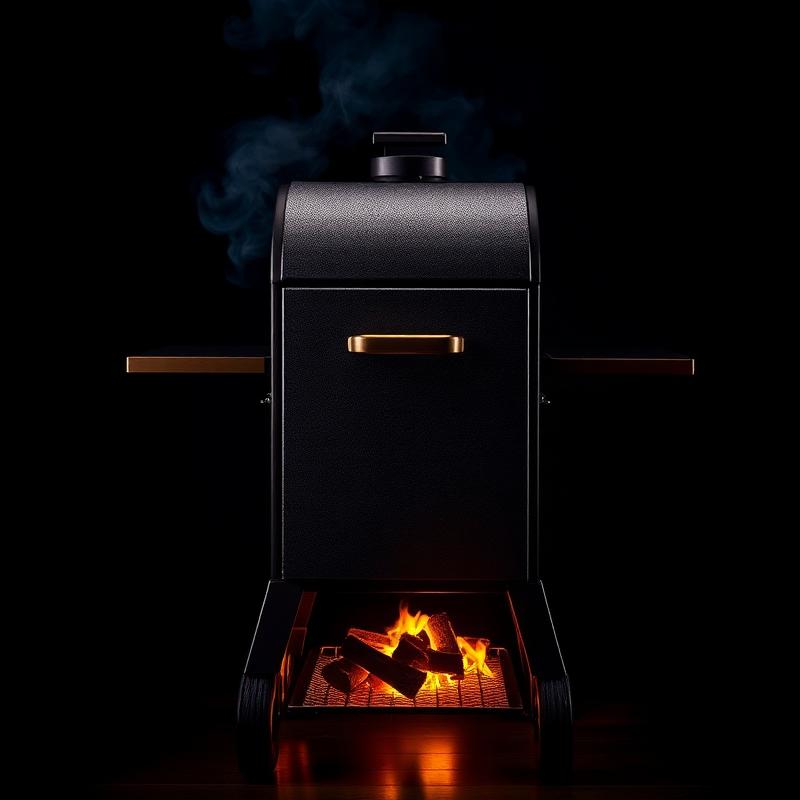
Dyna-Glo Vertical Offset Smoker offset smoker product photo

Offset smoking is the most traditional and rewarding way to barbecue — and the Dyna-Glo Vertical Offset Smoker lets you start that journey for under $250. It won't compete with a $2,000 stick burner, but it'll teach you the fundamentals.

What We Love

  • +Under $250 for a genuine offset smoker
  • +Vertical design maximizes capacity
  • +6 adjustable cooking grates
  • +Side-mounted firebox for real stick burning
  • +Good for learning fire management
  • +Smokestack damper for airflow control

Watch Out For

  • Thin metal leaks smoke at seams
  • Requires gasket mods for best results
  • Temperature control takes practice
  • Paint peels after one season
  • No built-in thermometer worth trusting

Specifications

Cooking Area

1,382 sq in (total)

Grates

6 adjustable chrome-plated

Firebox

Side-mounted offset

Material

Steel (thin gauge)

Fuel

Wood/Charcoal

Warranty

1-year limited

The Full Review

The Dyna-Glo Vertical Offset is a gateway drug to stick burning. At $249, it's cheap enough to experiment with and learn on before committing to a serious offset smoker.

Out of the box, it leaks smoke from every seam. This is expected at this price. I spent $15 on high-temp gasket tape and sealed the door and firebox joints. After sealing, smoke behavior improved dramatically.

The vertical design gives you 1,382 sq in of cooking space across 6 grates. I've loaded it with 4 pork butts simultaneously for pulled pork parties. Heat distribution from bottom to top varies by about 25-30°F, so you need to rotate racks periodically.

Fire management is the learning curve. You're feeding split wood into the offset firebox and managing dampers to control temperature. Expect your first 3-4 cooks to be frustrating as you learn the rhythm. By cook #5, you'll start to get it. By cook #10, you'll wonder why pellet grills exist.

The built-in thermometer is worthless — replace it with a digital probe on day one.

How Does It Compare?

At a glance against its closest offset smoker rivals.

GrillRatingPriceBest For
Dyna-Glo Vertical Offset Smoker (this) 4.2$249The affordable entry into vertical offset smoking — big capacity, budget price, and room to learn the art of stick burning.
Masterbuilt 30-Inch Digital Electric Smoker 4.2$249The set-it-and-forget-it electric smoker — plug it in, set the temp, walk away.
Char-Broil Bullet 16-Inch Charcoal Smoker 4.1$179The budget answer to the Weber Smokey Mountain — bullet-shaped charcoal smoker for $179.

Who Is It For?

Beginners who want to learn traditional stick burning without a big investment. Budget-conscious BBQ enthusiasts. Backyard cooks ready to graduate from gas/pellet to real smoke. Anyone who enjoys the hands-on process of fire management.

Final Verdict

The Dyna-Glo Vertical Offset is the cheapest way to learn real offset smoking. It requires mods and patience, but the fundamentals it teaches are invaluable. If you fall in love with stick burning, you'll upgrade. If not, you're only out $249.

Check Price on Amazon
Common Questions

Frequently Asked Questions

Is the Dyna-Glo Vertical Offset Smoker worth the price?
The Dyna-Glo Vertical Offset is the cheapest way to learn real offset smoking. It requires mods and patience, but the fundamentals it teaches are invaluable. If you fall in love with stick burning, you'll upgrade. If not, you're only out $249. At $249, value depends on your priorities; check the pros and cons above before deciding.
Who is the Dyna-Glo Vertical Offset Smoker best for?
Beginners who want to learn traditional stick burning without a big investment. Budget-conscious BBQ enthusiasts. Backyard cooks ready to graduate from gas/pellet to real smoke. Anyone who enjoys the hands-on process of fire management.
What are the biggest strengths of the Dyna-Glo Vertical Offset Smoker?
The standout strengths: Under $250 for a genuine offset smoker; Vertical design maximizes capacity; 6 adjustable cooking grates. Also worth noting: Side-mounted firebox for real stick burning.
What are the downsides of the Dyna-Glo Vertical Offset Smoker?
The honest trade-offs: Thin metal leaks smoke at seams; Requires gasket mods for best results; Temperature control takes practice. None are dealbreakers for most buyers, but worth knowing before you commit.
What's the warranty on the Dyna-Glo Vertical Offset Smoker?
Dyna-Glo Vertical Offset Smoker ships with a 1-year limited warranty. Coverage details vary by component — check the manufacturer's terms for what's covered (cookbox, burners, grates) and for how long.
Where is the best place to buy the Dyna-Glo Vertical Offset Smoker?
Amazon typically has the most competitive price and fastest shipping for the Dyna-Glo Vertical Offset Smoker. Check the manufacturer's site for occasional direct sales, and big-box stores (Home Depot, Lowe's) if you want to inspect one in person before buying.

From around the web

More about offset smokers

What's the easiest smoker to learn on?
The Weber Smokey Mountain (WSM). The water pan moderates temperature swings, the bullet shape holds steady heat for 8-12 hours unattended, and there's an enormous online community of 'WSM-trained' pitmasters. Competition teams have won barbecue trophies on the same $399 smoker beginners use in the backyard.
What temperature should I smoke meat at?
225°F is the BBQ standard for low-and-slow cooks (brisket, pork shoulder, ribs). Some pitmasters run at 250-275°F to shorten the cook time without sacrificing quality. Below 225°F you risk staying in the 'danger zone' (40-140°F) too long for food safety.
What wood is best for smoking?
Hickory and oak are the all-purpose workhorses — strong but balanced, work with anything. Apple and cherry are sweeter and milder, perfect for poultry and pork. Mesquite is the strongest, best used in small amounts on beef. Avoid resinous woods (pine, cedar) entirely.
Do I need a water pan in my smoker?
Yes for low-and-slow cooks. A water pan acts as a heat sink (evening out temperature swings) and adds humidity (preventing the bark from drying out too fast). Skip it only when you specifically want a drier, harder bark — most pitmasters run a water pan 90% of the time.