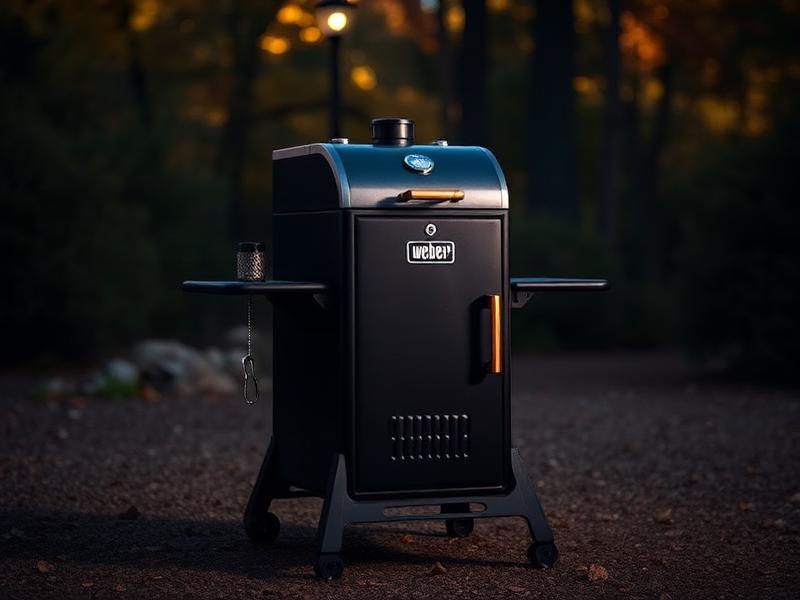
 #1Best for Learning
Vertical Smoker$399
Weber Smokey Mountain 18"
4.8
Forgiving, holds temp like a champ, competition-proven, and you can find one anywhere for $399.
Offset Smoker Buyer's Guide
Offset smokers are the gold standard of barbecue — Aaron Franklin, Pat Martin, every Texas pitmaster you've ever heard of cooks on a stick burner. They're also the most demanding cookers to learn. You manage fire, airflow, and temperature manually for 12+ hours. There's no PID controller, no app, no auto-feed. Done well, an offset produces brisket no other cooker can match. Done badly, you produce expensive jerky. Here's how to buy one that won't fight you.
The Verdict
If you're learning, get the Weber Smokey Mountain 18" — it's a vertical bullet smoker, not a true offset, but it cooks like one and is 10x more forgiving. If you want a real horizontal stick burner under $400, the Oklahoma Joe's Highland is the only honest answer at that price. Above $1,500, the Yoder Cheyenne and Workhorse 1969 are competition-grade. Skip every Char-Broil, Dyna-Glo and 'cheap offset' — thin steel, leaky doors, impossible to control temperature.
Top Picks
#1Best for LearningForgiving, holds temp like a champ, competition-proven, and you can find one anywhere for $399.
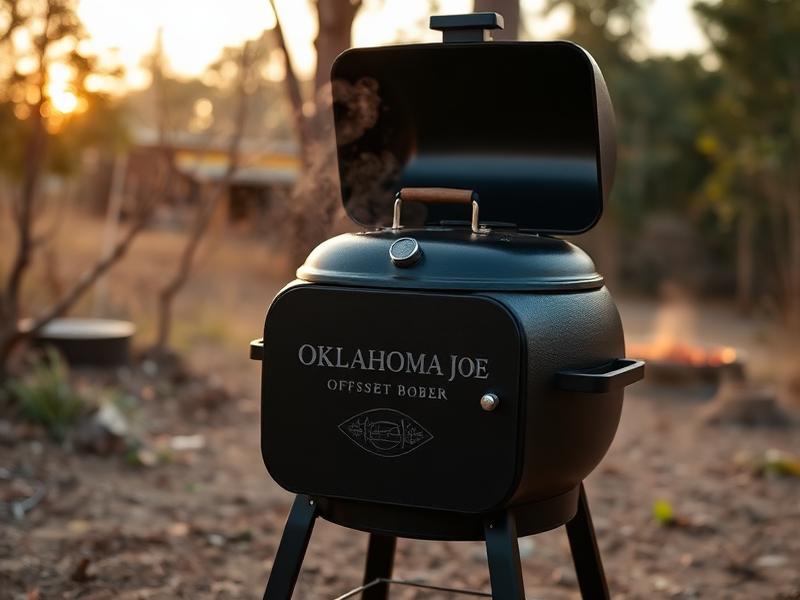 #2Best Entry Offset
True horizontal stick burner with reverse-flow baffle. Heavy enough to cook well, cheap enough to learn on.
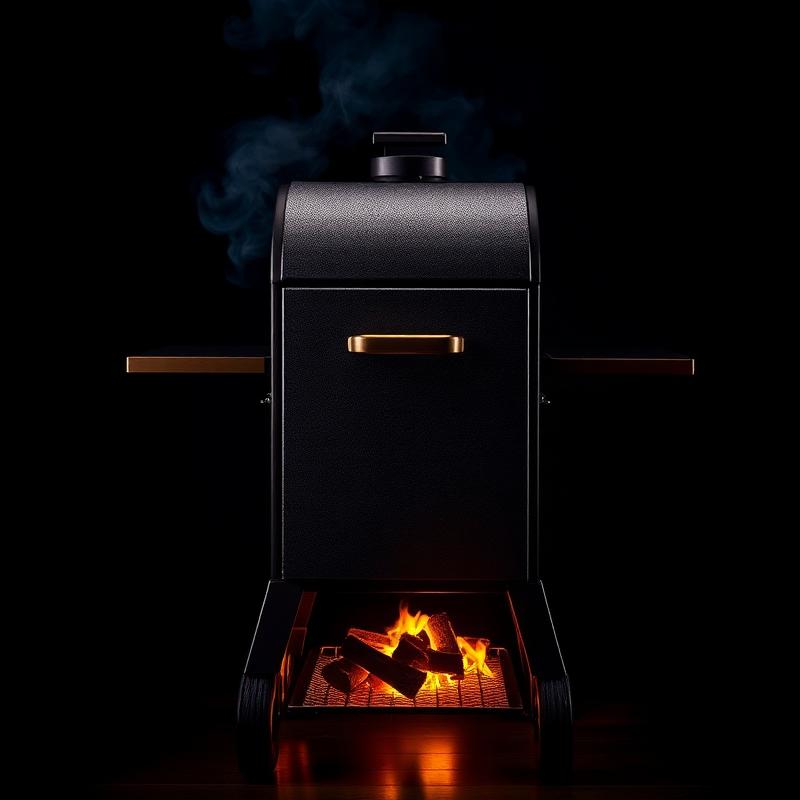 #3Best Budget Vertical
Big capacity at a budget price. Not a competition smoker but a fine first step into offset cooking.
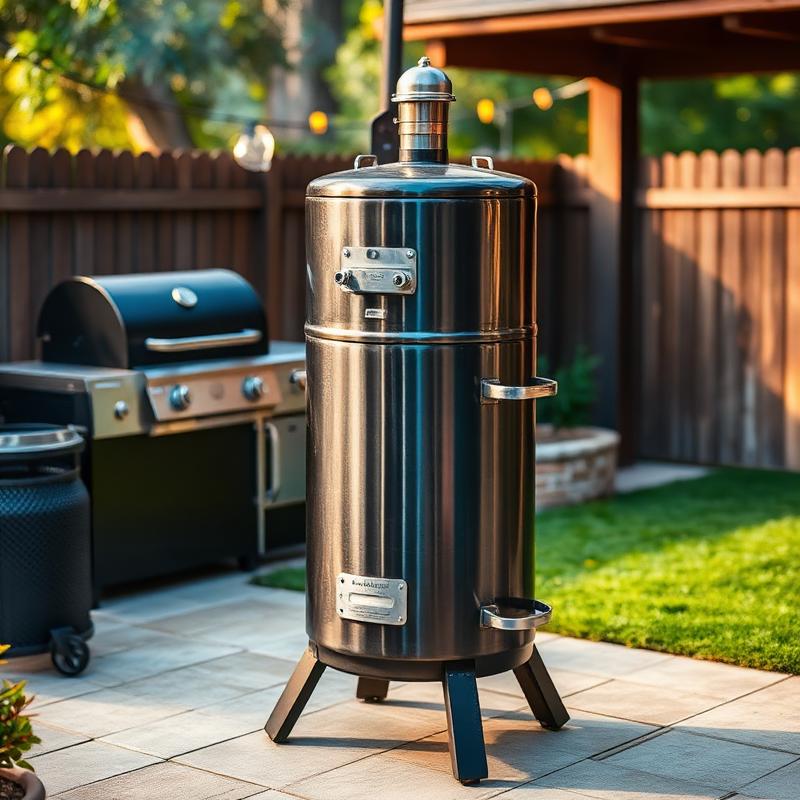 #4Best Drum Smoker
Hangs meat vertically over coals — set it and forget it for 8+ hours, no fire management.
What to Look For
Cheap offsets use 1/8" (3mm) steel that loses heat instantly and won't hold temperature. Quality offsets use 1/4" (6mm) or thicker — Yoder, Workhorse, Lone Star Grillz. The thicker the steel, the more thermal mass, and the easier it is to maintain a steady 250°F. If a spec sheet says 'heavy gauge steel' without a number, it's thin steel.
Reverse flow offsets route heat under a baffle plate that distributes temperature evenly across the cooking chamber. Traditional offsets are hotter near the firebox. Reverse flow is more forgiving for beginners; traditional offsets give you more control once you know what you're doing. Oklahoma Joe's Highland is reverse flow — a smart choice for first-time owners.
Cheap offsets have warped doors and gaps that leak smoke and air. You can't control temperature on a leaky smoker. Look for thick-gauge doors with welded (not stamped) hinges. Aftermarket gasket kits ($30) help but won't save a fundamentally bad door design.
Bigger fireboxes hold larger splits longer and produce more even heat. A small firebox needs constant feeding (every 30 minutes). A proper firebox lets you go 60+ minutes between splits. Look for firebox capacity at least 1/3 the size of the cook chamber.
A tall smokestack creates better draw and cleaner combustion. Short stacks produce dirty smoke (acrid, bitter). Sliding dampers should move smoothly without binding. The Workhorse 1969 and Yoder Cheyenne have textbook stack design; cheap offsets often look right but draw poorly.
| Tier | Range | Who It's For |
|---|---|---|
| Entry | $250–$500 | Learners and once-a-month smokers. Oklahoma Joe's Highland, Dyna-Glo Vertical Offset, Weber Smokey Mountain 18". |
| Mid | $500–$1,500 | Serious weekend pitmasters. Pit Barrel Cooker, Oklahoma Joe's Longhorn Reverse Flow. |
| Premium | $2,000–$5,000 | Competition cooks and cooks-every-weekend pros. Yoder Cheyenne, Workhorse 1969, Lone Star Grillz. |
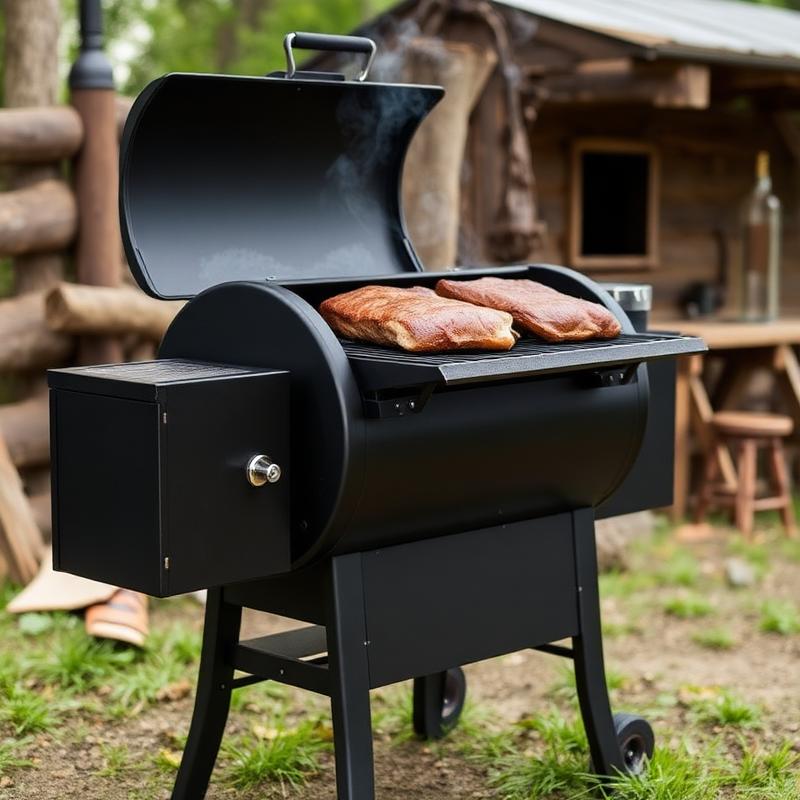
Competition Grade
$2,195
Competition Grade
$3,895
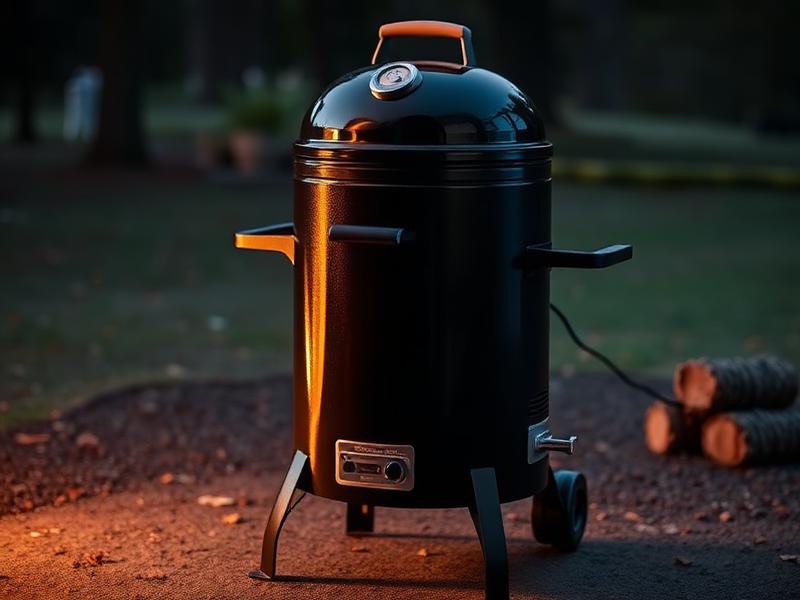
Easiest Smoker
$249
Most Automated
$899
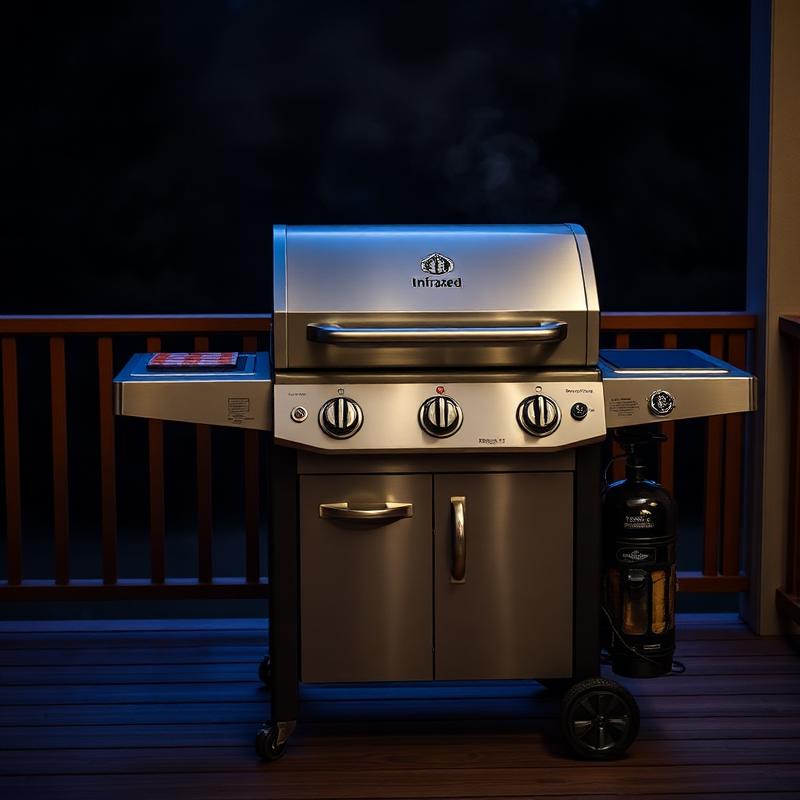
Budget WSM Alternative
$179
Made in USA
$799
Go Deeper

The great BBQ debate. Stick-burning purists vs set-and-forget tech. Flavor, learning curve, cost, and results — the honest comparison.
ReadSkip the 16-hour cook and still produce juicy, tender brisket in under 6 hours.
ReadThe beginner's path to perfect pulled pork — forgiving, affordable, and impossible to mess up.
ReadTurn any gas or charcoal grill into a real smoker — no new equipment needed.
ReadThe Kamado Joe Classic III is the best out-of-box kamado experience — Divide & Conquer, SloRoller, air lift hinge. The Big Green Egg Large is $300 cheaper, has the larger accessory
ReadTexas-built reverse-flow offset that competition cooks lust after. 1/4-inch steel, 8-12 month wait list, and worth every dollar.
Read