How to Build a Two-Zone Fire for Smoking
Two-zone cooking is the single most important technique in all of BBQ. It's the difference between burnt ribs and competition-quality results. By creating a hot side for heat and a cool side for food, you get complete temperature control on any charcoal grill — no expensive smoker required. Here's exactly how to build and manage it.
Last Updated
Tools & Materials
- Charcoal chimney starter
- Quality charcoal (briquettes or lump)
- Firestarter cubes or newspaper
- Long-handled tongs
- Leave-in probe thermometer
- Aluminum drip pan
- Wood chunks for smoke
Step by Step
Fill a chimney starter with charcoal
For a low-and-slow cook (225-275°F), fill the chimney about half full. For medium indirect grilling (300-350°F), fill it three-quarters. Use quality briquettes for consistent burn times, or lump for hotter, faster-burning cooks. Avoid match-light charcoal — the chemical accelerant taints your food.
Light the chimney and wait for full ashing
Place two firestarter cubes or crumpled newspaper under the chimney and light. Wait 15-20 minutes until the top coals are covered in fine white ash and glowing red underneath. Partially lit coals create dirty smoke and unpredictable temperatures.
Arrange coals on one side only
Wearing heat-resistant gloves, dump the lit coals onto ONE half of the charcoal grate. Leave the other half completely empty. This is your direct (hot) zone and indirect (cool) zone. Push the coals against the wall of the grill for stability — a pile in the middle tends to spread out over time.
Place a drip pan on the indirect side
Set a disposable aluminum pan on the empty half of the charcoal grate, directly under where the food will sit. Fill it halfway with hot water. This catches drippings (preventing grease fires), stabilizes temperature, and adds humidity that keeps meat moist and helps smoke stick to the surface.
Add 2-3 wood chunks to the coals
Nestle 2-3 fist-sized wood chunks into the lit coals. Hickory and oak are the workhorses for beef and pork. Fruit woods (apple, cherry, pecan) are milder and better for poultry and fish. Place the chunks at different depths — one on top for immediate smoke, one buried for sustained smoke later.
Set the cooking grate and probe, then adjust vents
Place the cooking grate on the grill. Insert a leave-in probe thermometer through the vent or a grate hole so the tip is at grate level on the indirect side — not touching the meat yet. Close the lid. Open the bottom vent 25% and the top vent 25%. Let the temperature stabilize at 225°F before adding food.
Add food to the indirect side and manage temperature
Once temp holds steady at 225°F for 10 minutes, place your meat on the indirect side, directly over the drip pan. Close the lid and walk away. Resist peeking. If temp climbs above 250°F, close the bottom vent slightly. If it drops below 210°F, open it slightly. Small vent adjustments create big temperature changes — move in 1/8-inch increments.
Warnings
- Never place food directly over the coals during a low-and-slow cook — it will burn before it cooks through.
- Don't use lighter fluid. It leaves a chemical residue that you can taste for hours. Chimney starters are $18 and eliminate the problem entirely.
- Opening the lid drops the temperature by 50-100°F and adds 15-20 minutes to your cook time. Trust the probe thermometer and peek only when absolutely necessary.
How Often?
Use two-zone setup for every low-and-slow cook on a charcoal grill: ribs, pork shoulder, brisket, whole chicken, and even large roasts.
Common Questions
Frequently Asked Questions
How long does it take to build a two-zone fire for smoking?
What tools do I need?
How often should I do this?
What safety issues should I watch for?
Keep Reading
You might also like
How to Build a Perfect Two-Zone Fire
The single most important grilling technique — master this and everything gets easier.
Read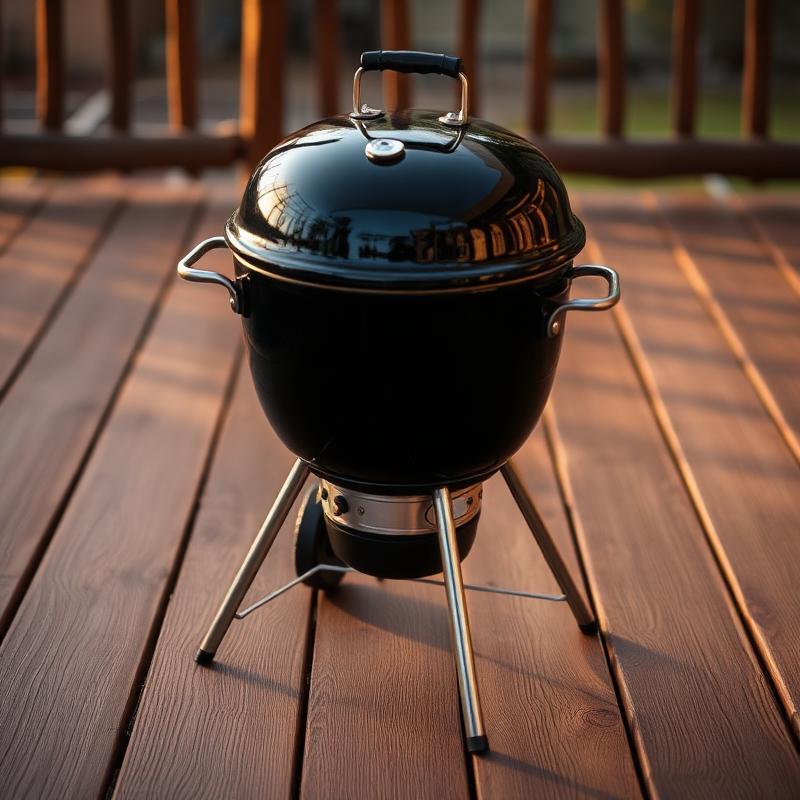
Everdure HUB II Charcoal Grill
Heston Blumenthal's electric-ignition charcoal grill. Lit and ready to cook in 10 minutes — the charcoal grill that finally solves the lighting problem.
ReadHow to Fix Hot Spots and Uneven Heat on a Gas Grill
Map your grill's hot spots with the bread test, then fix the causes — clogged ports, warped heat plates, and blocked venturi tubes.
Read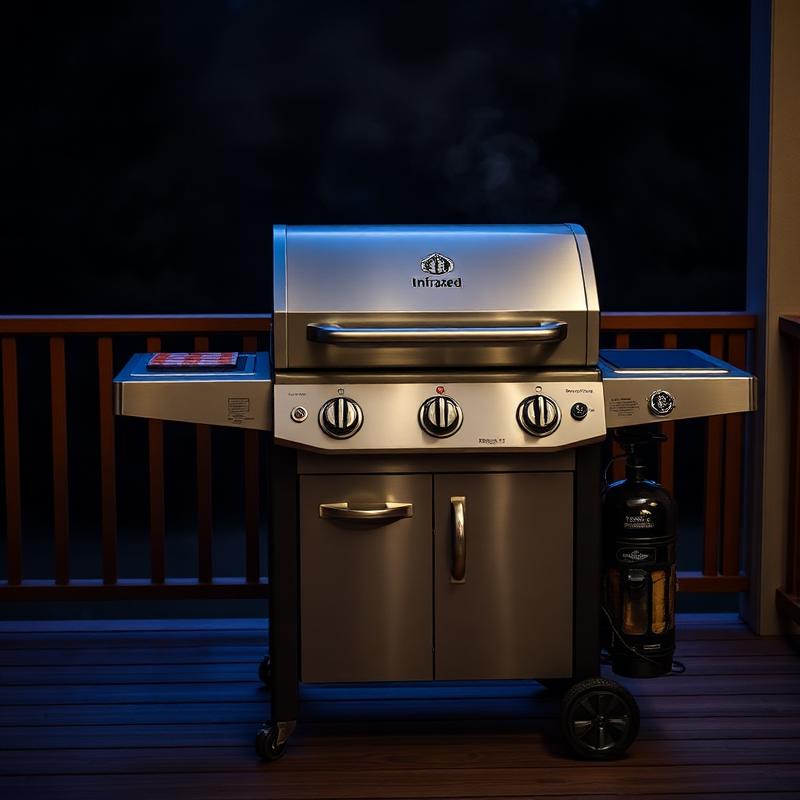
Char-Broil Bullet 16-Inch Charcoal Smoker
The budget answer to the Weber Smokey Mountain — bullet-shaped charcoal smoker for $179. Cuts every corner the WSM cuts and produces genuinely good food.
Read