How to Build a Perfect Two-Zone Fire
Two-zone cooking is the foundation of great grilling. One side hot (direct heat for searing), one side cool (indirect heat for cooking through). This setup lets you sear a steak, then move it to finish gently. It's how pros avoid burning food while getting perfect internal temps.
Last Updated
Tools & Materials
- Charcoal chimney starter
- Charcoal briquettes or lump charcoal
- Long tongs
- Heat-resistant gloves
- Grill thermometer
Step by Step
Light a full chimney of charcoal
Fill your chimney starter completely and light from the bottom with newspaper or a fire starter cube. Wait 15-20 minutes until the top coals are ashed over and glowing orange. Don't rush this — partially lit charcoal creates uneven heat.
Bank all coals to one side
Pour the lit charcoal onto one half of the charcoal grate. Spread them in an even layer on that side only. Leave the other half completely empty. This creates your hot zone (direct) and cool zone (indirect).
Set the cooking grate and preheat
Place the cooking grate on top and close the lid for 5 minutes. This heats the grate for better sear marks and burns off any residue from the last cook.
Test the zones
Hold your hand 6 inches above each zone. The direct side should be uncomfortably hot within 2-3 seconds. The indirect side should feel warm but tolerable for 5-6 seconds. If both sides feel the same, your coals aren't banked properly.
Adjust vents for target temperature
For high-heat searing: bottom vent fully open, top vent 3/4 open. For low-and-slow (225-250°F indirect): bottom vent 1/4 open, top vent 1/2 open. The bottom vent controls airflow in, the top vent controls airflow out.
Cook with the zone strategy
Sear over direct heat first (1-2 min per side for grill marks), then move to indirect to finish to target internal temp. This prevents burning while achieving perfect doneness. Always close the lid when food is on the indirect side.
For smoking: add a water pan under the cool side
For low-and-slow cooks (225-275°F), use a half-full chimney instead of a full one and set a disposable aluminum pan half-filled with hot water on the empty side of the charcoal grate, directly under where the meat will sit. It catches drippings, steadies the temperature, and adds humidity that helps smoke stick to the surface.
For smoking: add 2-3 wood chunks and probe the cool side
Nestle 2-3 fist-sized wood chunks into the lit coals at different depths — one on top for immediate smoke, one buried for later. Hickory and oak suit beef and pork; apple, cherry and pecan are milder for poultry and fish. Clip a leave-in probe at grate level on the indirect side and wait until it holds near 225°F for 10 minutes before adding meat. Adjust the bottom vent in small increments: close slightly above 250°F, open slightly below 210°F.
Warnings
- Never close both vents completely — this can extinguish the fire and produce creosote (bitter, toxic smoke).
- For gas grills: turn one side to high and the other to off. Same principle, easier execution.
- Keep a spray bottle of water handy for minor flare-ups, but avoid dousing the coals — steam can cause burns.
- Never place food directly over the coals during a low-and-slow cook — it will burn before it cooks through. Skip lighter fluid; a chimney starter avoids the chemical taste.
- Every lid opening drops the temperature noticeably and extends the cook. Trust the probe and peek only when necessary.
How Often?
Use this technique every time you grill on charcoal. It should become automatic — you should never grill with coals spread evenly across the entire grate.
Common Questions
Frequently Asked Questions
How long does it take to build a perfect two-zone fire?
What tools do I need?
How often should I do this?
What safety issues should I watch for?
Keep Reading
You might also like
How to Reverse Sear a Steak
Start low, finish hot — the foolproof method for edge-to-edge pink perfection.
Read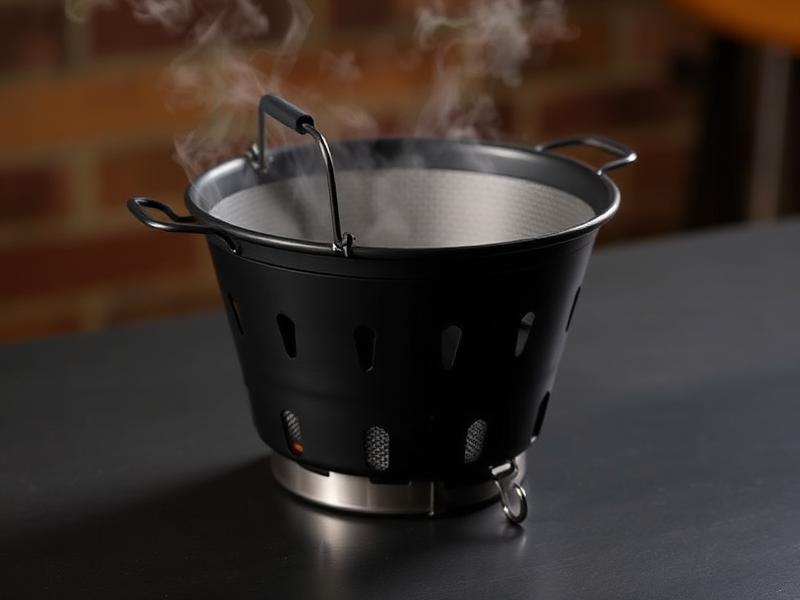
Slow 'N Sear Deluxe
The single best upgrade for a Weber Kettle. Perfect two-zone setup for smoking and a searing zone that rivals broilers.
ReadHow to Fix Hot Spots and Uneven Heat on a Gas Grill
Map your grill's hot spots with the bread test, then fix the causes — clogged ports, warped heat plates, and blocked venturi tubes.
Read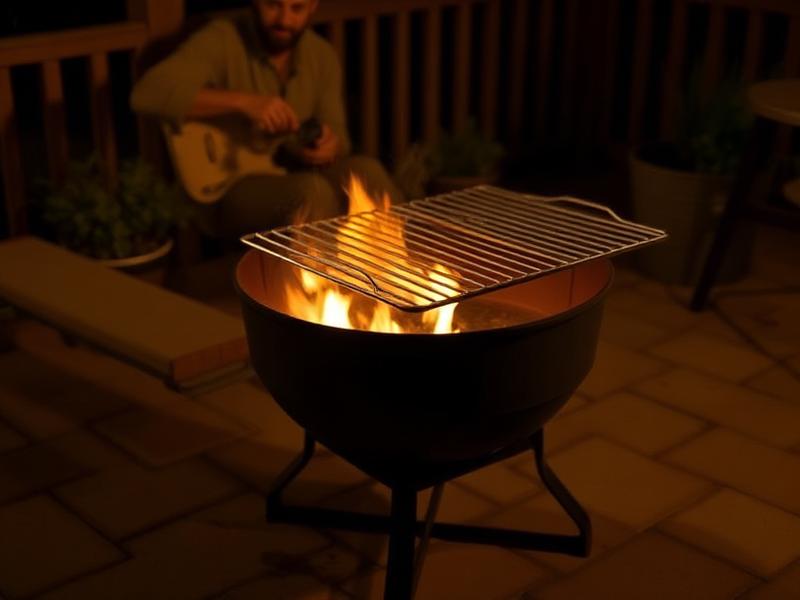
Solo Stove Grill Ultimate Bundle
Smokeless fire pit with a grilling grate add-on. The crossover between fire pit and cooking is a wide-open niche.
Read