How to Reverse Sear a Steak
The reverse sear is the single best technique for thick steaks (1.5 inches or more). Instead of searing first and hoping the center cooks evenly, you slowly bring the entire steak up to temperature in a gentle oven or indirect zone, then blast the surface over screaming-hot direct heat for 60-90 seconds per side. The result is edge-to-edge medium-rare with a mahogany crust — no gray band, no overcooked edges.

Last Updated
Tools & Materials
- Leave-in probe thermometer
- Instant-read thermometer (Thermapen ONE recommended)
- Cast iron skillet or griddle plate
- Tongs
- Butter, herbs, and garlic (optional)
Step by Step
Season early and generously
Pat the steak completely dry with paper towels. Season liberally with kosher salt — about 1 teaspoon per pound — on all sides. For the best results, let it sit uncovered in the fridge for at least 4 hours (up to 24) so the salt penetrates deep into the meat and the surface dries out for a better sear. Add black pepper and any other spices right before cooking.
Set up indirect heat at 225-250°F
On a charcoal grill: build a two-zone fire with a small pile of coals on one side and nothing on the other. On gas: turn on one burner to low and leave the others off. On a pellet grill: simply set to 225°F. You want a gentle, indirect heat zone that slowly raises the internal temperature without cooking the outside too fast.
Insert a leave-in probe and cook to 115°F internal
Place the steak on the indirect side, far from the heat source. Insert a leave-in probe thermometer into the thickest part, making sure the tip is centered in the meat. Close the lid and cook until the internal temp reaches 115°F for medium-rare (or 110°F for rare). This takes 30-45 minutes for a 2-inch ribeye, depending on starting temperature.
Prep your searing surface while the steak rests briefly
While the steak is coming up to temp, get your direct searing surface ready. A cast iron skillet or plancha plate is ideal — cast iron stores enormous heat and gives the best crust. Get it as hot as possible: on a charcoal grill, add more coals and open vents; on gas, turn all burners to high. The surface should be 600°F+ for a proper sear.
Sear 60-90 seconds per side with no moving
Remove the steak from the indirect side. Place it directly on the screaming-hot searing surface and DO NOT MOVE IT for 60-90 seconds. Moving the steak prevents crust formation. Flip once, sear the second side 60-90 seconds. For bonus points, hold the steak on its edges with tongs to render the fat cap, 15 seconds per edge.
Butter-baste for the final 30 seconds (optional)
In the last 30 seconds, drop a knob of butter, a crushed garlic clove, and a sprig of thyme or rosemary into the hot pan. Tilt the pan and spoon the foaming butter over the steak repeatedly. This adds enormous flavor and gloss to the crust. Only do this after searing — butter burns at high heat.
Rest 5-10 minutes before slicing
Transfer the steak to a cutting board or wire rack. Let it rest at least 5 minutes (10 is better for thick cuts). This allows juices to redistribute back into the muscle fibers. If you slice immediately, the juices run out and you're left with dry meat. Slice against the grain for tenderness.
Warnings
- Don't reverse sear thin steaks (under 1.25 inches). There's not enough thermal mass — just sear them traditionally.
- Never use extra-virgin olive oil for searing. Its smoke point is too low and it will turn bitter and acrid.
- Don't skip the rest. Slicing a hot steak is like cutting a water balloon — all the moisture escapes onto the cutting board instead of staying in the meat.
How Often?
Use this method every time you cook a thick steak (1.5 inches or more). For thinner cuts, traditional hot-and-fast searing works better.
Common Questions
Frequently Asked Questions
How long does it take to reverse sear a steak?
What tools do I need?
How often should I do this?
What safety issues should I watch for?
Keep Reading
You might also like
How to Build a Perfect Two-Zone Fire
The single most important grilling technique — for searing, indirect cooking and low-and-slow smoking.
ReadHow to Fix Hot Spots and Uneven Heat on a Gas Grill
Map your grill's hot spots with the bread test, then fix the causes — clogged ports, warped heat plates, and blocked venturi tubes.
Read
Reverse Sear Ribeye
Restaurant-quality steak at home — edge-to-edge perfection.
Read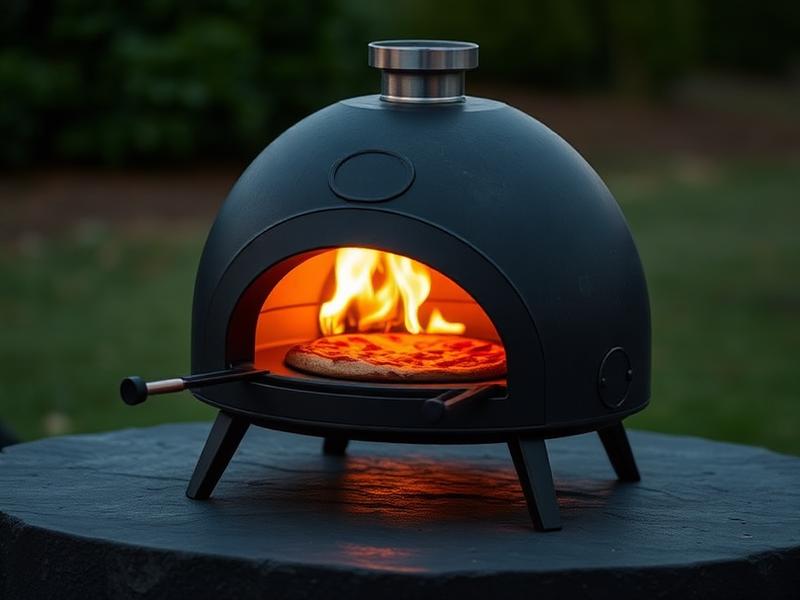
Halo Versa 16 Pizza Oven
Gas-fired pizza oven with rotating stone — eliminates the manual pizza-turning that breaks new pizza cooks. The set-and-forget pizza oven.
Read
Grilled Tomahawk Steak
The Instagram-famous showstopper, perfectly cooked edge to edge.
ReadSmoked Prime Rib Roast
Holiday-worthy standing rib roast with a deep smoke ring and edge-to-edge pink.
Read