
Smoked Brisket Burnt Ends
Burnt ends are the crown jewel of Kansas City barbecue — cubes of brisket point, smoked twice, glazed with sauce, and transformed into caramelized nuggets of beef heaven. They're called 'meat candy' for good reason. This is an advanced cook that requires patience, but the payoff is legendary.
Last Updated
Ingredients
- 1 whole packer brisket (12-14 lbs) or just the point
- 1/4 cup coarse black pepper
- 1/4 cup kosher salt
- 2 tbsp garlic powder
- 1 tbsp onion powder
- 1 cup BBQ sauce (sweet Kansas City style)
- 1/2 cup beef broth
- 4 tbsp butter, cubed
- 2 tbsp honey
- Post oak or hickory wood
Step by Step
Wrap and continue cooking
Wrap the brisket in butcher paper (or foil for faster cooking). Return to the smoker and cook until the point section reaches 195°F internal. The flat will be done — you can separate them now.
Separate the point from the flat
The point is the thicker, fattier end of the brisket. Slice it away from the flat along the fat seam. Rest and slice the flat for regular brisket. The point becomes your burnt ends.
Cube the point
Cut the brisket point into 1-1.5" cubes. Don't go too small — they'll dry out. Each cube should have bark on at least one side.
Sauce, glaze, and smoke again
Place cubes in a foil pan. Toss with BBQ sauce, honey, beef broth, and butter. Return to the smoker uncovered at 275°F for 1.5-2 hours, stirring every 30 minutes. The sauce caramelizes and the cubes become sticky, glazed, and impossibly tender.
Serve when they jiggle
Burnt ends are done when each cube jiggles like Jell-O when you shake the pan. They should be tender enough to fall apart with a fork but hold their shape when picked up. Serve with toothpicks as appetizers or piled on white bread.
Pro Tips
- The point is what makes burnt ends special — it has more intramuscular fat than the flat, which renders during the second smoke.
- Don't skip the butter in the sauce pan — it adds richness and helps the glaze coat each cube.
- Poor man's burnt ends: use chuck roast instead of brisket point. Cube, smoke at 275°F for 3 hours, then sauce and finish. Similar result in half the time.
- Burnt ends freeze beautifully. Vacuum seal portions with extra sauce for easy reheating.
Recommended Gear for This Recipe
MEATER Plus Wireless Probe $100
14-hour cook needs wireless monitoring
Artisan Griller Heat-Resistant Gloves $16
Handle hot brisket safely during separation
Sweet Baby Ray's BBQ Sauce $8
Classic KC-style sauce for the glaze
Common Questions
Frequently Asked Questions
How long does Smoked Brisket Burnt Ends take to cook?
What's the single most important tip?
Keep Reading
You might also like
How to Fix Temperature Swings on a Pellet Grill
Tame wild temp fluctuations and get your pellet grill holding steady.
ReadHow to Smoke Meat Without a Smoker
Turn any gas or charcoal grill into a real smoker — no new equipment needed.
Read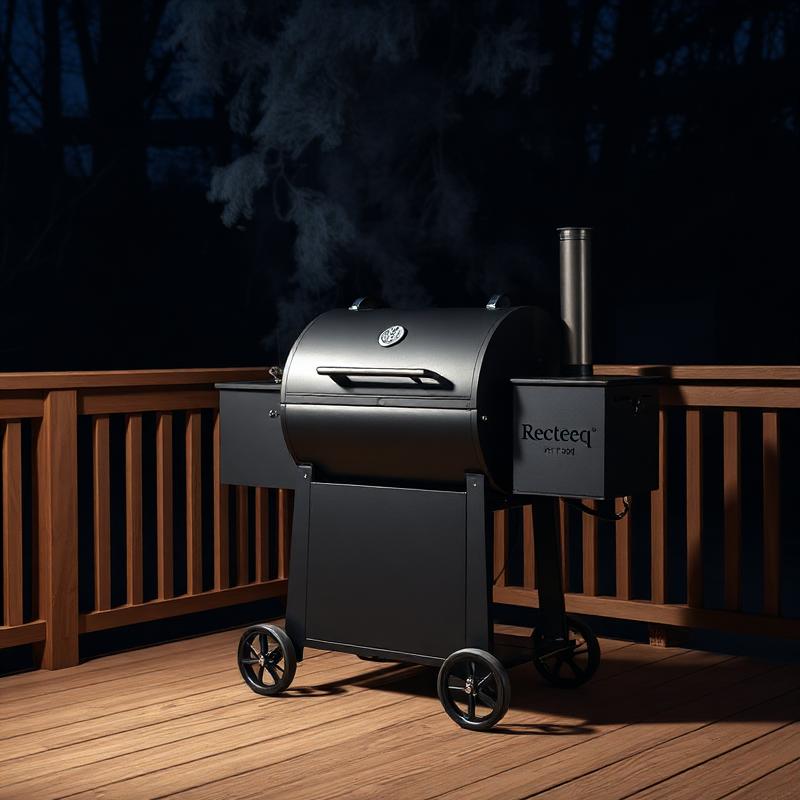
Recteq Bullseye RT-380X
Recteq's compact kettle-style pellet grill. Hits 750°F for genuine searing — the rare pellet grill that can actually grill.
Read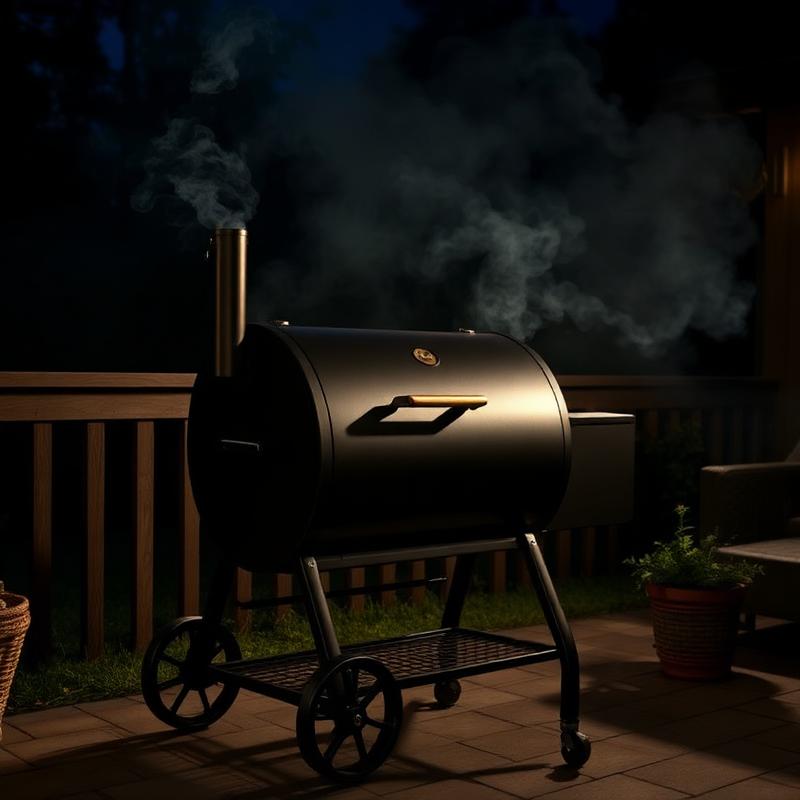
Yoder Smokers YS640S
Competition-grade pellet smoker built like a tank. 10-gauge steel, made in the USA, and the only pellet grill that earns respect from stick burner purists.
ReadSmoked Pork Belly Burnt Ends
Meat candy. Cubes of pork belly braised in brown sugar and butter until they melt.
Read