Last Updated
The Short Answer
There is no 'best' fuel type — only the best fuel type for your specific situation. Most experienced outdoor cooks keep gas, charcoal, and pellet grills in rotation and reach for different ones depending on the cook, the time available, and the flavour they want.
Gas is for convenience. Charcoal is for flavor. Pellet is for smoking. That's the 30-second summary. But the nuances matter, so let's dig in.
Flavor: Charcoal Wins, But It's Complicated
Pure charcoal and wood produce the most complex, smoky flavors. The combustion of hardwood charcoal creates hundreds of flavor compounds that deposit on your food. This is not subjective — it's chemistry.
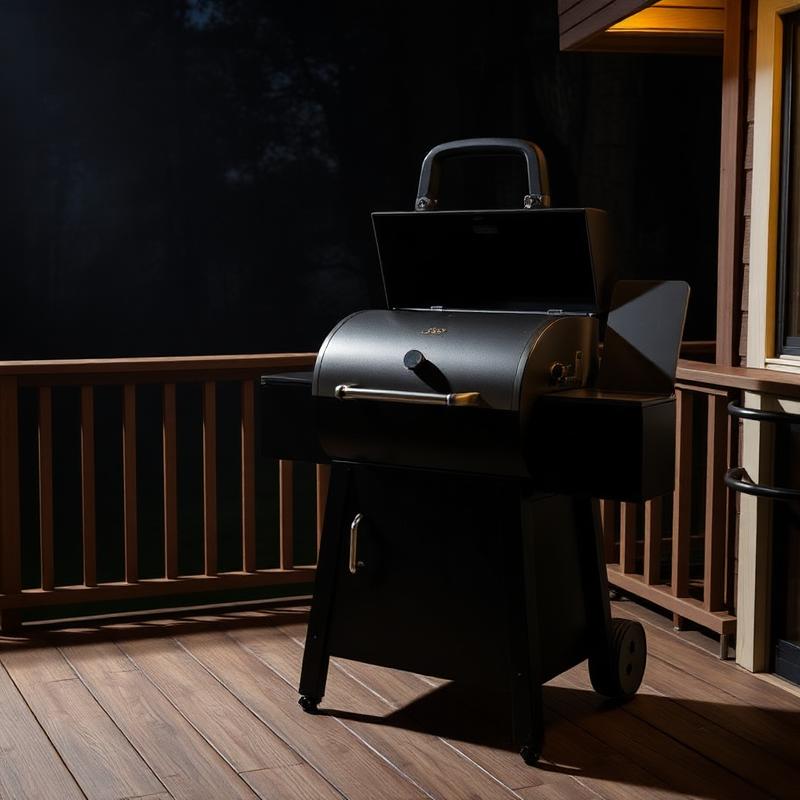
Pellet grills produce genuine wood-smoke flavor, but it's more subtle than charcoal. The automated combustion is cleaner and more efficient, which means less smoke reaching your food. For low-and-slow smoking, pellet grills produce excellent results. For high-heat grilling, the smoke contribution is minimal.
Gas grills produce the least smoke flavor. The vaporization of drippings on Flavorizer bars or heat plates adds some smoky character, but it's fundamentally different from wood/charcoal smoke. That said — most backyard cooks can't tell the difference on a burger. The flavor gap is most noticeable on long, slow cooks.
Pro Tip: Want charcoal flavor with gas convenience? Drop an A-MAZE-N pellet tube smoker ($20) on your gas grill. It adds 4+ hours of real wood smoke to any grill.
Convenience: Gas Wins Easily
Gas grill startup: Turn knobs. Wait 10 minutes. Cook. Total time from decision to grilling: 12 minutes.
Pellet grill startup: Turn on. Set temperature. Wait 15 minutes for preheat. Total time: 17 minutes. Plus you need electricity and must keep the hopper filled.
Charcoal startup: Load chimney. Light newspaper. Wait 15-20 minutes. Dump coals. Arrange for direct/indirect. Wait 5 minutes to stabilize. Total time: 25-30 minutes.
For cleanup, gas wins again. Burn off residue on high for 10 minutes, brush the grates, done. Pellet grills need periodic ash vacuuming. Charcoal requires ash disposal and more thorough cleaning.
For weeknight dinners when you're tired and hungry, gas is unbeatable. I reach for my gas grill 3-4 times a week purely because of the convenience factor.
Pro Tip: If you choose charcoal, invest in a chimney starter ($18) and light it before you start prepping food. By the time your mise en place is ready, your coals are too.
Temperature Control & Range
Gas grills offer the most precise, real-time temperature control. Turn a knob, temperature changes immediately. Range: typically 250°F to 600°F. Some high-end models with infrared burners hit 900°F+.
Pellet grills offer digital precision for low-and-slow cooking. PID controllers hold temperature within 5-15°F of target. Range: 175°F to 500°F. The limitation is the top end — most pellet grills can't sear effectively without supplemental heat.
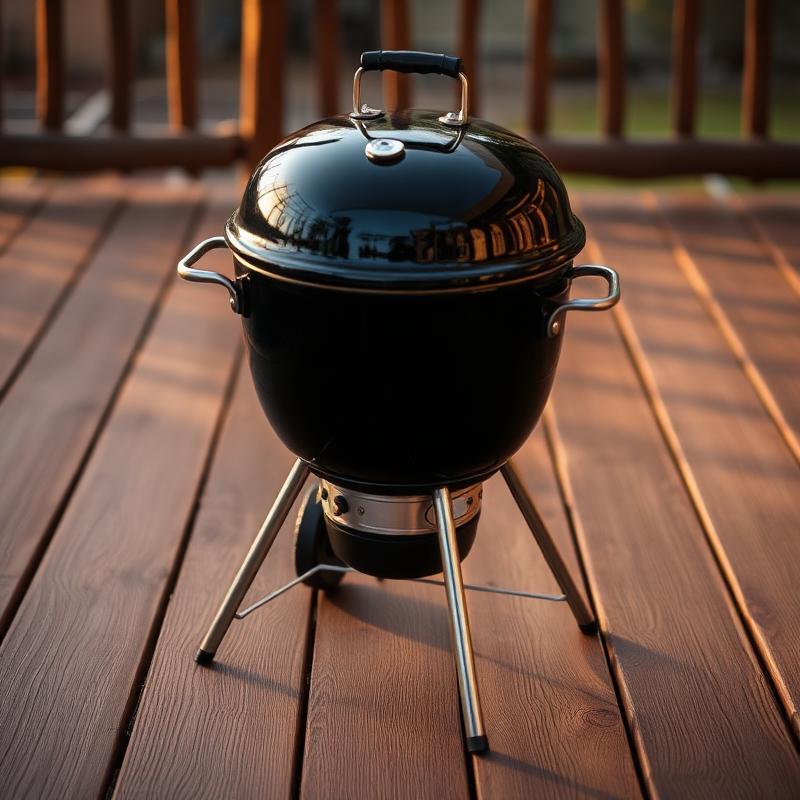
Charcoal grills have the widest temperature range — 200°F to 700°F+ — but require manual management through vent control. A kamado grill holds temperature within 5°F once dialed in, but adjustments are slow. A kettle grill requires more attention but is surprisingly manageable once you understand vent dynamics.
For searing specifically, charcoal and gas with infrared burners are superior. The concentrated radiant heat of a charcoal bed or infrared element creates a better crust than any pellet grill can achieve.
Cost: Total Ownership, Not Just Purchase Price
Purchase price is misleading. A $599 pellet grill looks cheaper than a $899 gas grill, but fuel costs tell a different story.
Gas: A 20-lb propane tank ($15-20 refill) lasts about 18-20 hours of grilling. That's roughly $0.80-1.00 per hour of cooking.
Charcoal: A 20-lb bag of briquettes ($15-20) lasts about 8-10 grilling sessions. Lump charcoal costs more but burns cleaner. Average cost: $2-4 per session.
Pellets: A 20-lb bag ($15-20) lasts 6-10 hours depending on temperature. At low-and-slow temps, pellet consumption is reasonable. At high heat, you'll burn through pellets quickly. Average cost: $1.50-3.00 per hour.
Electricity for pellet grills adds minimal cost — about $0.05-0.10 per cook.
Across a five-year span of regular grilling (3x/week), gas is typically the cheapest to operate, followed by charcoal, then pellet. But the differences are modest — maybe $200-400 total across that period.
Pro Tip: Buy fuel in bulk during off-season sales. I stock up on charcoal and pellets in October when retailers clear inventory. Savings are typically 30-40%.
Versatility
Charcoal grills — especially kamados and kettles — are the most versatile cookers. A Weber Kettle with a Slow 'N Sear can sear at 800°F, smoke at 225°F, bake bread, roast a turkey, and make pizza. A Big Green Egg does all of that even better.
Gas grills excel at direct grilling and indirect roasting but are limited smokers. You can add smoke boxes or tubes, but it's a workaround, not a native capability.
Pellet grills are excellent smokers and decent roasters but mediocre at high-heat grilling and searing. The Camp Chef Woodwind with Slide and Grill is the notable exception — it gives direct flame access.
Griddles (Blackstone-style) are incredibly versatile for flat-top cooking but can't do indirect cooking, smoking, or anything that requires a lid and convection.
Cold Weather Performance
I grill year-round in Minnesota where winter temperatures hit -30°F. Cold weather performance matters.
Gas grills handle cold well. Propane pressure drops in extreme cold, so keep your tank warm if possible. Preheat takes longer. Otherwise, performance is consistent.
Insulated pellet grills (Traeger Timberline, Grilla Silverbac) perform well in cold. Non-insulated models struggle — they burn more pellets and have wider temperature swings. Budget pellet grills are genuinely compromised below 0°F.
Charcoal grills are the cold-weather champions. Kamados with ceramic insulation are nearly immune to ambient temperature. Even a standard Weber Kettle performs well in cold — you just add more charcoal and manage vents slightly differently.
Electric grills are the worst in cold weather. The heating element fights ambient temperature constantly, and max temp drops significantly.
Pro Tip: In cold climates, invest in a welding blanket or insulated grill jacket. They dramatically reduce fuel consumption and improve temperature stability.
The Bottom Line: My Setup
A practical three-grill setup that covers almost every cook looks like this:
Daily driver: Weber Genesis E-325s (gas) — for quick weeknight meals and when I want zero friction.
Weekend warrior: Weber 22" Kettle with Slow 'N Sear — for when I want the best flavor and have time to enjoy the process.
Long smokes: Camp Chef Woodwind Pro 24 (pellet) — for 8-16 hour cooks where consistent temperature matters more than maximum smoke flavor.
Special occasions: Big Green Egg — for when I want to impress or when I'm cooking something that demands the absolute best.
You don't need all four. But if you could only have one? I'd pick the Weber Kettle. It does everything acceptably well and many things exceptionally well. At $175, it's the best value in outdoor cooking.
If you've already narrowed it to the two most-cross-shopped fuel types, our [pellet grill vs gas grill head-to-head](/compare/pellet-grill-vs-gas-grill) goes deeper on which one belongs on your patio first.
Our Top Picks from This Guide
Weber Spirit E-310 (Gas) $449
Our top gas pick for most buyers
Weber 22" Kettle (Charcoal) $175
Best value in all of outdoor cooking
Camp Chef Woodwind Pro 24 (Pellet) $999
Best pellet grill for the money
Ready to find your perfect grill?
Browse All Reviews →