Budget ClassicCast Iron Hibachi

Marsh Allen Cast Iron Hibachi

Last Updated
First Published

Recently reviewedThis review was last reviewed on June 3, 2026.
Marsh Allen Cast Iron Hibachi cast iron hibachi product photo

The Marsh Allen hibachi is the grill your grandparents had. Simple cast iron construction, adjustable grate, side vents for airflow — it's been the default apartment and balcony grill for decades. At $35, it's the cheapest way to get into charcoal grilling.

What We Love

  • +Under $35 — the cheapest charcoal grill worth buying
  • +Cast iron retains heat extremely well
  • +Adjustable grate height
  • +Side draft vents for airflow control
  • +Compact enough for any balcony
  • +Dual cooking grates

Watch Out For

  • Cast iron is heavy for its size (15 lbs)
  • Will rust without proper care
  • Small cooking surface for 2 people max
  • No lid — no indirect cooking possible
  • Gets extremely hot on the bottom — needs heat protection under it
  • Ash cleanup is messy

Specifications

Material

Cast iron

Cooking Area

~160 sq in (dual grates)

Weight

15 lbs

Fuel

Charcoal

Grate

Adjustable height, chrome-plated

Warranty

1-year limited

The Full Review

The Marsh Allen hibachi is grilling reduced to its absolute essentials. Cast iron body, charcoal, fire, grate, food. There's nothing to break, nothing to adjust (except grate height), and nothing to overthink.

The dual cooking grates give you roughly 160 sq in of cooking surface — enough for 4-6 burgers, 8 hot dogs, or a handful of chicken thighs. It's not a family grill; it's a couples grill or a solo cook's best friend.

Cast iron gets screaming hot and stays hot. With a full load of lump charcoal, the grate temperature exceeds 600°F. Steaks sear beautifully. Vegetables char perfectly. The intense heat is the hibachi's superpower.

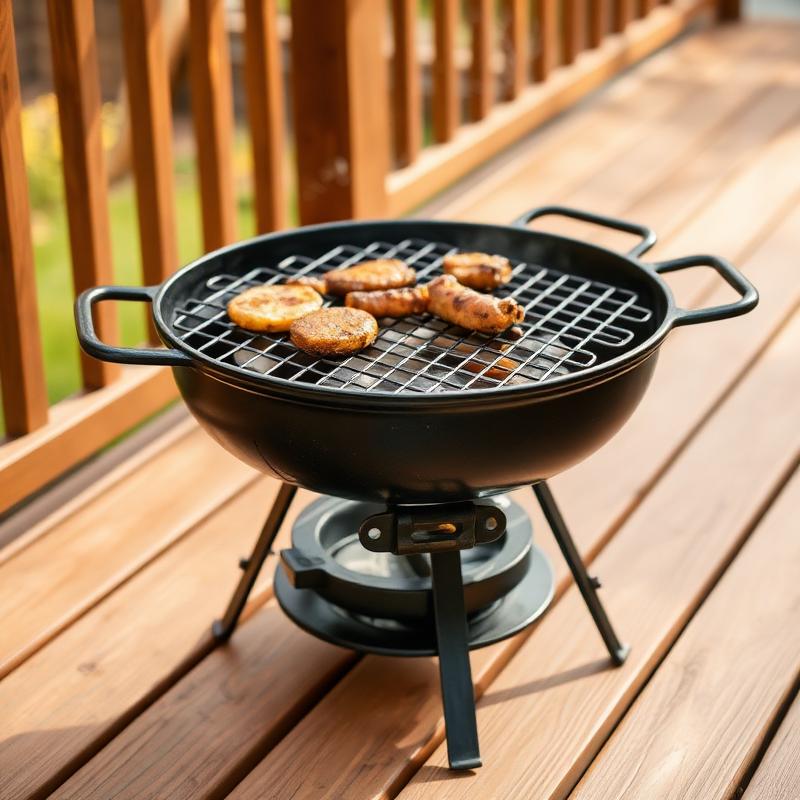
CRITICAL WARNING: The bottom gets hot enough to scorch wood, melt plastic, and damage concrete. Always place it on a heat-resistant surface — a concrete paver, metal table, or fire-resistant mat. Never use it on a wooden deck directly.

For $35, it's the absolute cheapest entry point to real charcoal grilling. If you're curious about charcoal but don't want to invest $200+ in a Weber Kettle, start here.

How Does It Compare?

At a glance against its closest cast iron hibachi rivals.

GrillRatingPriceBest For
Marsh Allen Cast Iron Hibachi (this) 4.1$35The classic American backyard hibachi — affordable, compact, and perfect for balcony grilling and small gatherings.
UCO Flatpack Portable Campfire Grill 4.4$35Packs flat, sets up in seconds, and turns any campfire into a cooking station.
Weber Go-Anywhere Charcoal 4.3$45The original portable grill — folds flat, weighs 15 lbs, and actually grills well enough for real cooking on the go.

Who Is It For?

Budget-conscious first-time charcoal grillers. Apartment and balcony dwellers (where charcoal is allowed). College students and young adults. Anyone who wants a backup or supplemental searing grill.

Final Verdict

The Marsh Allen hibachi at $35 is the most affordable charcoal grilling experience available. It's not fancy, it's not versatile, but it's real — and it produces excellent food for the price.

Check Price on Amazon
Common Questions

Frequently Asked Questions

Is the Marsh Allen Cast Iron Hibachi worth the price?
The Marsh Allen hibachi at $35 is the most affordable charcoal grilling experience available. It's not fancy, it's not versatile, but it's real — and it produces excellent food for the price. At $35, value depends on your priorities; check the pros and cons above before deciding.
Who is the Marsh Allen Cast Iron Hibachi best for?
Budget-conscious first-time charcoal grillers. Apartment and balcony dwellers (where charcoal is allowed). College students and young adults. Anyone who wants a backup or supplemental searing grill.
What are the biggest strengths of the Marsh Allen Cast Iron Hibachi?
The standout strengths: Under $35 — the cheapest charcoal grill worth buying; Cast iron retains heat extremely well; Adjustable grate height. Also worth noting: Side draft vents for airflow control.
What are the downsides of the Marsh Allen Cast Iron Hibachi?
The honest trade-offs: Cast iron is heavy for its size (15 lbs); Will rust without proper care; Small cooking surface for 2 people max. None are dealbreakers for most buyers, but worth knowing before you commit.
What's the warranty on the Marsh Allen Cast Iron Hibachi?
Marsh Allen Cast Iron Hibachi ships with a 1-year limited warranty. Coverage details vary by component — check the manufacturer's terms for what's covered (cookbox, burners, grates) and for how long.
Where is the best place to buy the Marsh Allen Cast Iron Hibachi?
Amazon typically has the most competitive price and fastest shipping for the Marsh Allen Cast Iron Hibachi. Check the manufacturer's site for occasional direct sales, and big-box stores (Home Depot, Lowe's) if you want to inspect one in person before buying.

From around the web

More about cast iron hibachis

Is charcoal grilling really better than gas?
For flavor — yes, demonstrably. Charcoal burns hotter (700°F+) and produces aromatic compounds that gas can't replicate. The trade-off is time: 20-30 minutes to light coals vs. 8 minutes to preheat gas. Most charcoal lovers keep a gas grill for weeknights and break out the charcoal on weekends.
How long does charcoal stay hot in a grill?
A full chimney of lump charcoal burns hot (500-700°F) for about 45-60 minutes, then settles into a 300-400°F window for another hour. With vents managed properly and the lid down, a Weber Kettle can hold 225°F for 8+ hours using the snake method.
Lump charcoal vs. briquettes — what's the difference?
Lump is pure charred wood: burns hotter, faster, and cleaner with more wood flavor. Briquettes are compressed charcoal dust + binders: burn longer and more evenly but produce more ash and a slightly chemical taste. Briquettes win for low-and-slow; lump wins for searing.
Do you close the lid when grilling with charcoal?
Yes, almost always. The lid traps heat and turns your grill into a convection oven, cooking food evenly from all sides instead of just the bottom. Only leave it open for very thin items (under 1 inch) where you want pure direct radiant heat.