Car Camping KingPortable Gas Grill

Coleman RoadTrip 285

Last Updated
First Published

Recently reviewedThis review was last reviewed on April 10, 2026.
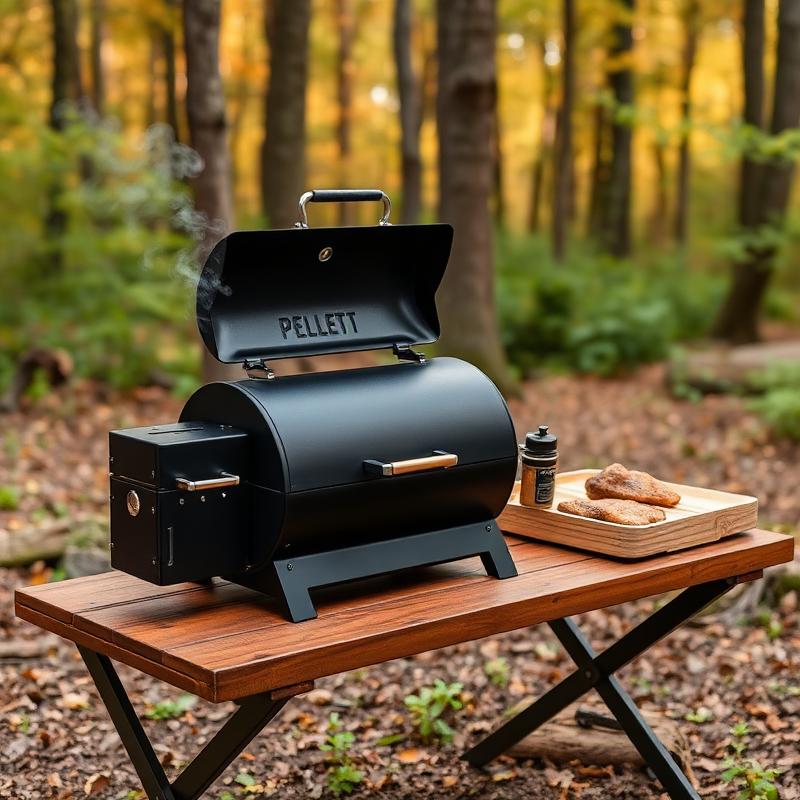
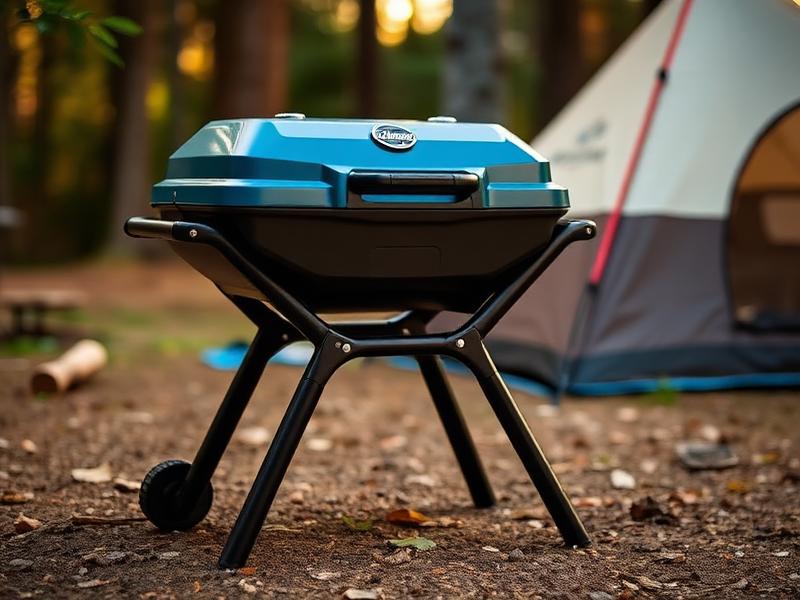
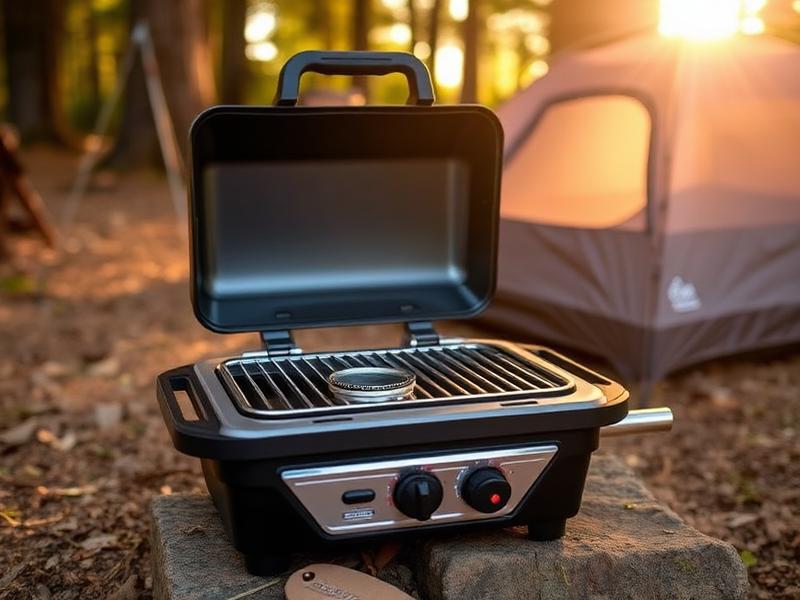
Coleman RoadTrip 285 portable gas grill product photo

The Coleman RoadTrip 285 has been the default car-camping grill for over a decade. Stand-up cooking height, three interchangeable cooking surfaces, and collapsible legs that fold into a wheeled suitcase — it's designed specifically for campsite life.

What We Love

  • +Folds to a wheeled suitcase for easy transport
  • +Stand-up cooking height — no hunching over a picnic table
  • +Three interchangeable grill surfaces (grill, griddle, stove)
  • +20,000 BTUs from 2 burners
  • +285 sq in cooking surface
  • +InstaStart push-button ignition

Watch Out For

  • Heavy at 44 lbs — not for backpacking
  • Uses small propane canisters (expensive per cook)
  • Legs can feel unstable on uneven ground
  • Grease management is messy
  • Wind affects performance significantly

Specifications

Cooking Area

285 sq in

BTUs

20,000

Burners

2

Fuel

16 oz propane cylinders

Weight

44 lbs

Dimensions (folded)

32" x 18" x 17"

Warranty

3 years

The Full Review

The RoadTrip 285 was designed by someone who actually camps. The stand-up cooking height means you're not hunched over a picnic table or squatting on the ground. The wheeled suitcase design means one person can drag it from the car to the campsite.

The two burners produce 20,000 BTUs across 285 sq in — enough for 12 burgers simultaneously. Heat distribution is decent but not perfect; the edges run cooler, which is actually useful for keeping buns warm while searing burgers in the center.

The swappable cooking surfaces are the signature feature. The standard grill grate handles burgers, steaks, and dogs. Swap to the griddle top for pancakes and eggs at breakfast. The stove grate holds pots and pans for campsite cooking. All three surfaces are included.

The main downside is the 16 oz propane canisters. They're convenient but expensive — about $5 each and each one lasts 60-90 minutes of cooking. For extended camping trips, buy an adapter hose ($15) to connect a standard 20 lb propane tank.

I've used this grill on over 30 camping trips across Minnesota and Wisconsin. It fires up instantly, cooks reliably, and packs up in under a minute. At 44 lbs it's too heavy for anything but car camping, but for that purpose, nothing beats it.

How Does It Compare?

At a glance against its closest portable gas grill rivals.

GrillRatingPriceBest For
Coleman RoadTrip 285 (this) 4.4$249The car-camping king.
Weber Q 2200 4.5$269The Aussie icon.
Char-Griller Akorn Kamado 4.3$299A steel kamado at a fraction of the ceramic price.

Who Is It For?

Car campers and RV travelers who want a full-featured portable grill. Families who camp frequently and want breakfast-and-dinner cooking capability. Tailgaters who want stand-up height cooking.

Final Verdict

The Coleman RoadTrip 285 at $249 is the best car-camping grill available. The fold-up design, interchangeable surfaces, and stand-up height solve every campsite cooking problem. If you car camp more than twice a year, this grill pays for itself in convenience.

Check Price on Amazon
Common Questions

Frequently Asked Questions

Is the Coleman RoadTrip 285 worth the price?
The Coleman RoadTrip 285 at $249 is the best car-camping grill available. The fold-up design, interchangeable surfaces, and stand-up height solve every campsite cooking problem. If you car camp more than twice a year, this grill pays for itself in convenience. At $249, value depends on your priorities; check the pros and cons above before deciding.
Who is the Coleman RoadTrip 285 best for?
Car campers and RV travelers who want a full-featured portable grill. Families who camp frequently and want breakfast-and-dinner cooking capability. Tailgaters who want stand-up height cooking.
What are the biggest strengths of the Coleman RoadTrip 285?
The standout strengths: Folds to a wheeled suitcase for easy transport; Stand-up cooking height — no hunching over a picnic table; Three interchangeable grill surfaces (grill, griddle, stove). Also worth noting: 20,000 BTUs from 2 burners.
What are the downsides of the Coleman RoadTrip 285?
The honest trade-offs: Heavy at 44 lbs — not for backpacking; Uses small propane canisters (expensive per cook); Legs can feel unstable on uneven ground. None are dealbreakers for most buyers, but worth knowing before you commit.
What's the warranty on the Coleman RoadTrip 285?
Coleman RoadTrip 285 ships with a 3 years warranty. Coverage details vary by component — check the manufacturer's terms for what's covered (cookbox, burners, grates) and for how long.
Where is the best place to buy the Coleman RoadTrip 285?
Amazon typically has the most competitive price and fastest shipping for the Coleman RoadTrip 285. Check the manufacturer's site for occasional direct sales, and big-box stores (Home Depot, Lowe's) if you want to inspect one in person before buying.

From around the web

More about portable gas grills

Is charcoal grilling really better than gas?
For flavor — yes, demonstrably. Charcoal burns hotter (700°F+) and produces aromatic compounds that gas can't replicate. The trade-off is time: 20-30 minutes to light coals vs. 8 minutes to preheat gas. Most charcoal lovers keep a gas grill for weeknights and break out the charcoal on weekends.
How long does charcoal stay hot in a grill?
A full chimney of lump charcoal burns hot (500-700°F) for about 45-60 minutes, then settles into a 300-400°F window for another hour. With vents managed properly and the lid down, a Weber Kettle can hold 225°F for 8+ hours using the snake method.
Lump charcoal vs. briquettes — what's the difference?
Lump is pure charred wood: burns hotter, faster, and cleaner with more wood flavor. Briquettes are compressed charcoal dust + binders: burn longer and more evenly but produce more ash and a slightly chemical taste. Briquettes win for low-and-slow; lump wins for searing.
Do you close the lid when grilling with charcoal?
Yes, almost always. The lid traps heat and turns your grill into a convection oven, cooking food evenly from all sides instead of just the bottom. Only leave it open for very thin items (under 1 inch) where you want pure direct radiant heat.