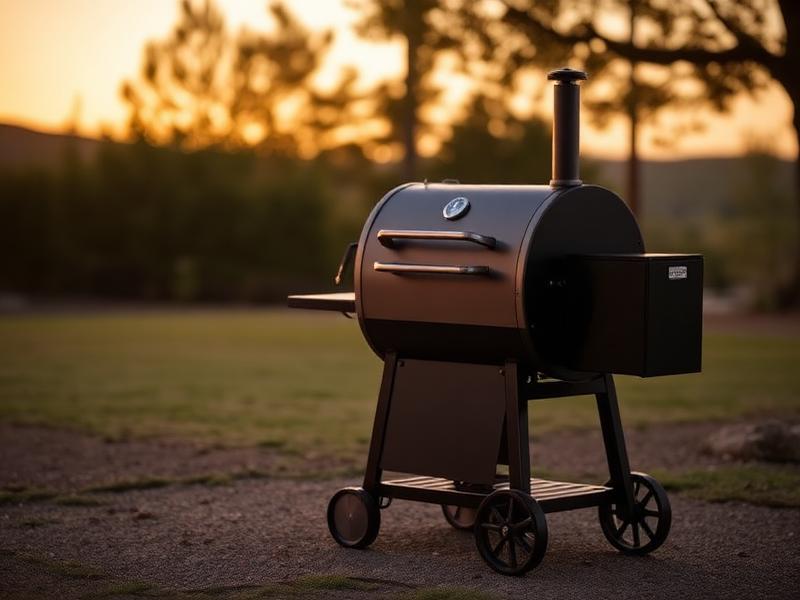
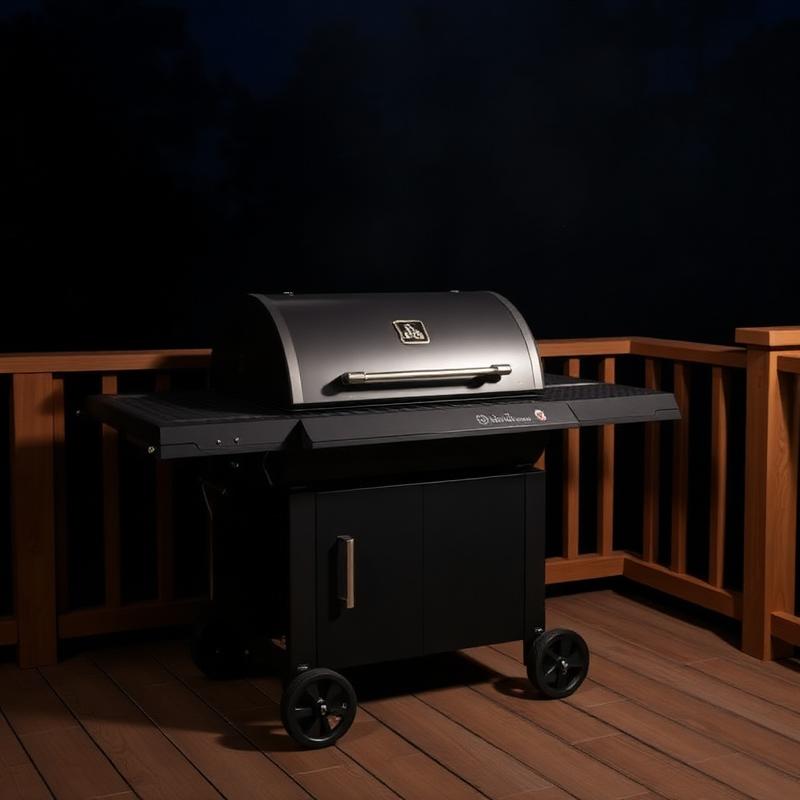
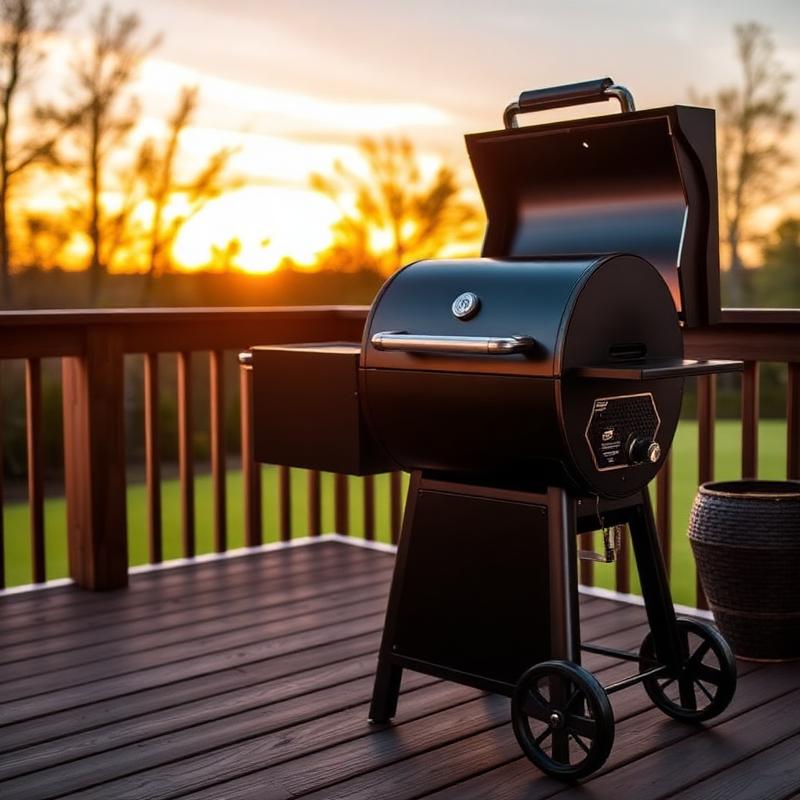
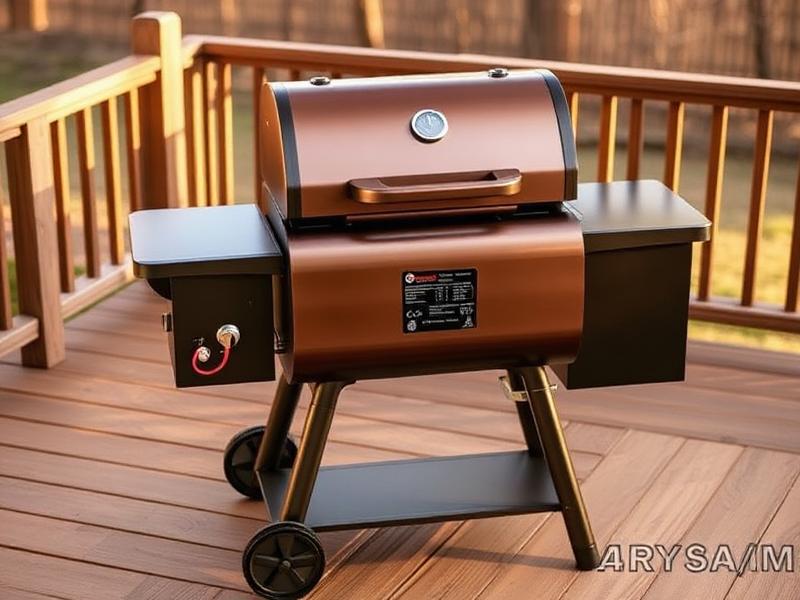
 #1Best Overall
Pellet Grill$799
Traeger Pro 575
4.5
WiFIRE connectivity, proven 10-year reliability, the best app and accessory ecosystem in the category.
Pellet Grill Buyer's Guide
Pellet grills are the easiest path to genuinely great barbecue. Set the temperature, load the hopper, walk away — the grill manages fuel and airflow for you. Comparing every major brand from $400 budget rigs to $3,500 flagships against published specifications, third-party measurements and owner feedback, here's the honest hierarchy. The category has matured: even mid-tier pellet grills now hold temp within 5°F and run for 12+ hours unattended. Brand still matters, but for different reasons than it did five years ago.
The Verdict
If you want set-and-forget smoking with WiFi and a 10-year track record, get the Traeger Pro 575. If you want better build quality at a similar price, get the Recteq RT-700. If you cook for crowds, the Pit Boss Platinum Laredo 1000 gives you 1,000+ sq in for under $700. Skip the cheapest pellet grills under $300 — controllers fail, temp swings are wild, and you'll replace it within two years.
Top Picks
#1Best OverallWiFIRE connectivity, proven 10-year reliability, the best app and accessory ecosystem in the category.
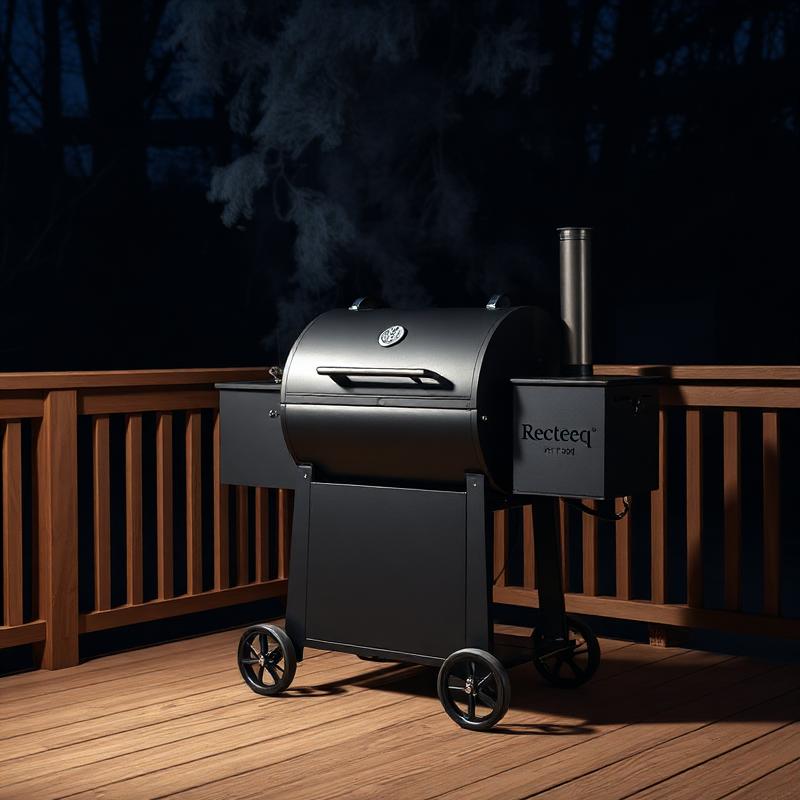 #2Best Build Quality
Stainless steel construction, PID controller, and direct-to-consumer pricing that embarrasses big brands.
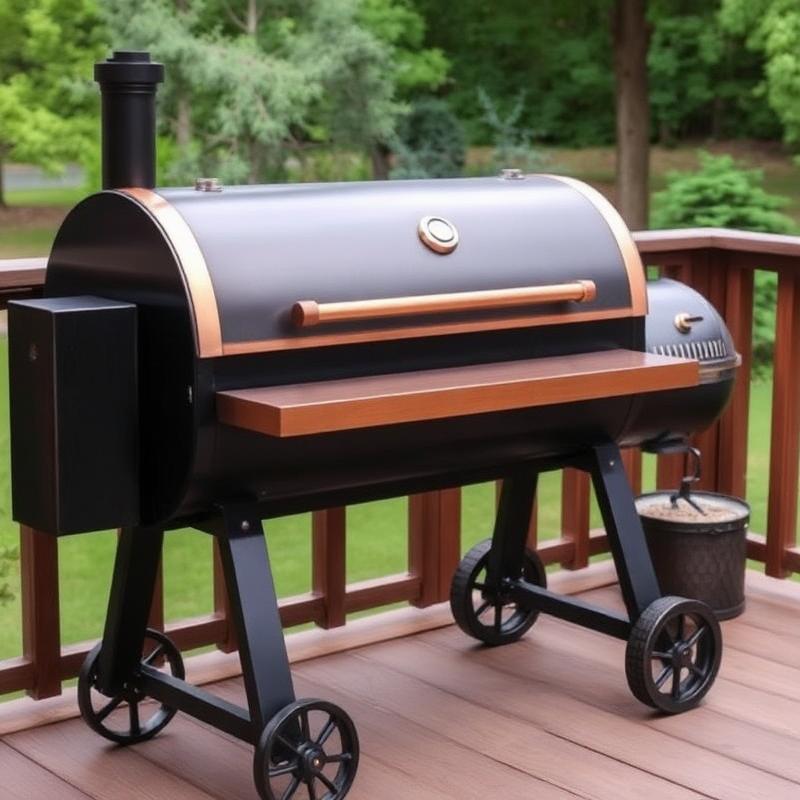 #3Best for Crowds
1,000+ sq in cooking area, solid PID temp control, and a price that fits weekend cooks who feed 10+.
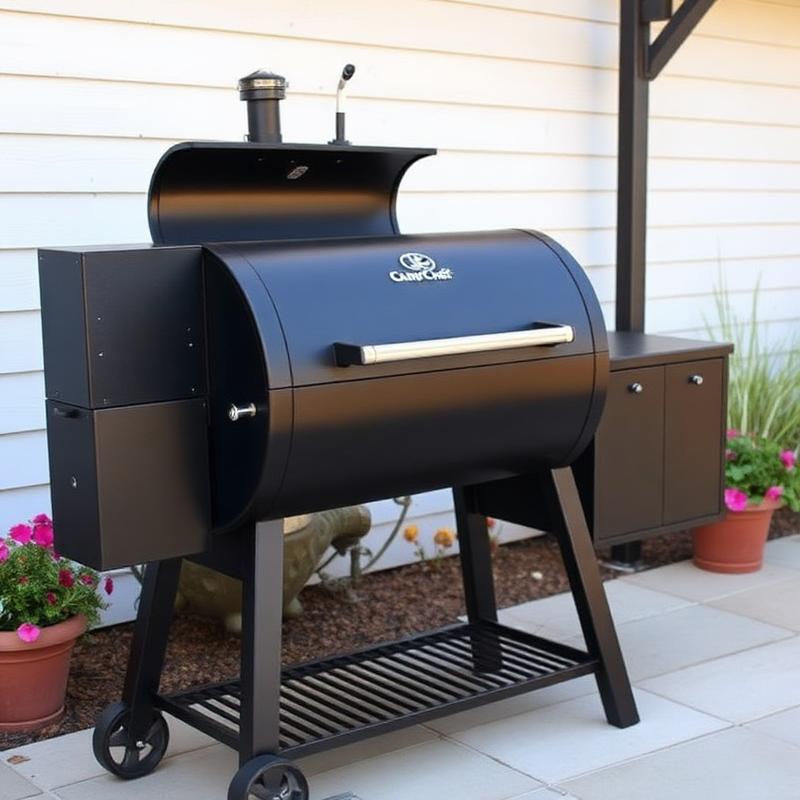 #4Best for Smoke Flavor
Sidekick smoke box adds real wood-chunk smoke on top of pellet smoke — bridges the gap to a stick burner.
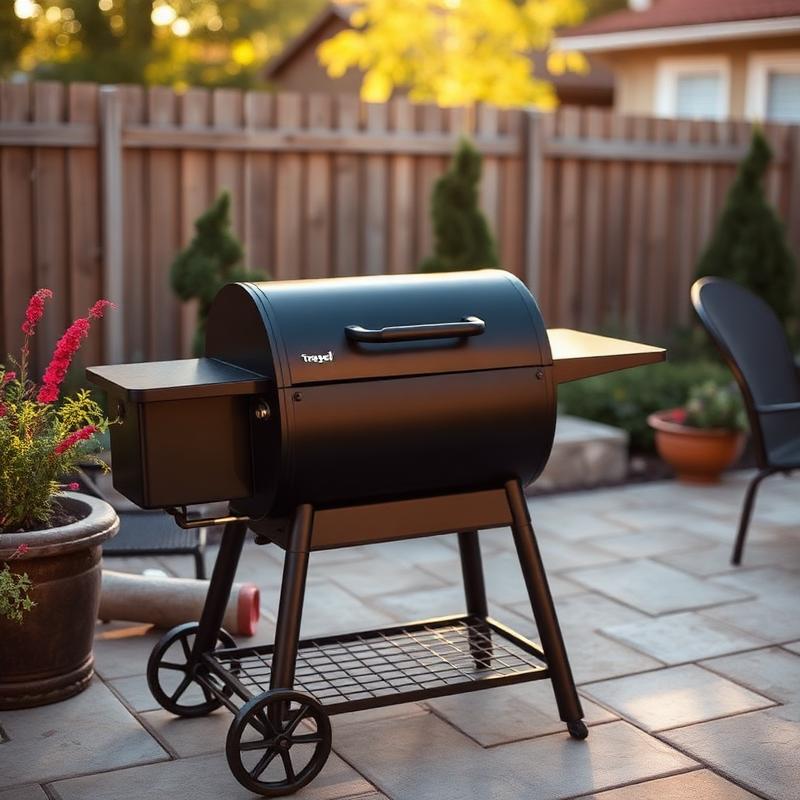 #5Premium Pick
Induction cooktop, double-wall insulation, and Minnesota-proof cold-weather performance.
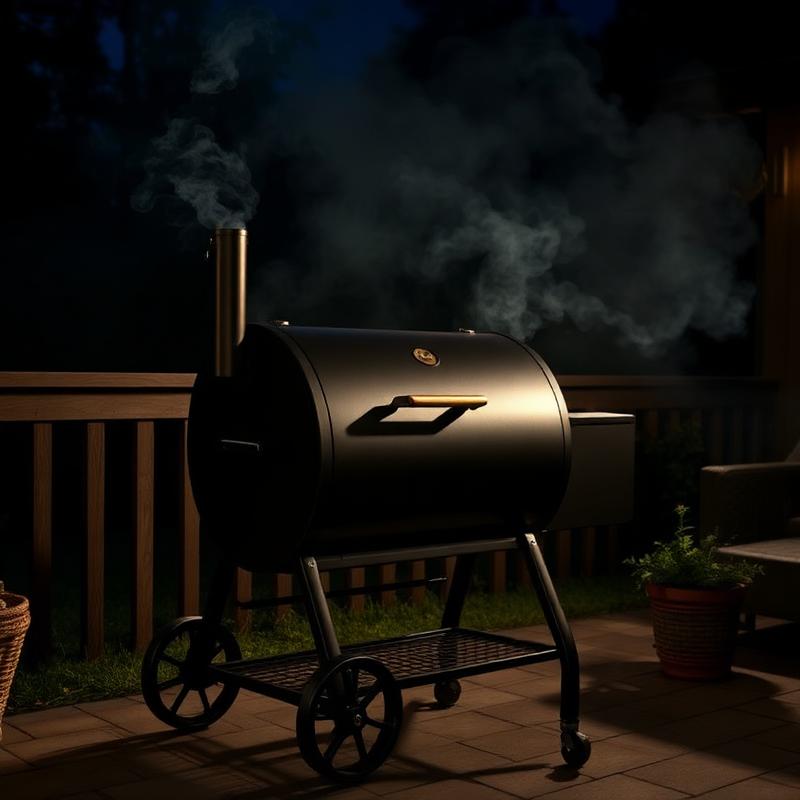 #6Competition Grade
10-gauge steel, made in the USA, the only pellet grill that earns respect from offset purists.
What to Look For
PID controllers anticipate temperature swings and adjust pellet feed before the grill drifts. Older non-PID controllers oscillate ±25°F. Every grill on this list runs PID. If a spec sheet doesn't mention PID, walk away.
Hopper size determines how long you can cook unattended. 18 lbs gets you 12 hours at 225°F. 22+ lbs handles overnight briskets without setting an alarm to refill. Anything under 15 lbs is fine for weeknights but painful for low-and-slow.
Most pellet grills top out around 500°F — fine for ribs and pork shoulder, weak for steaks. Look for direct-flame access (Camp Chef Sidekick, Weber SmokeFire), an induction cooktop (Traeger Timberline XL), or plan to finish steaks on a separate sear station.
This matters if you live anywhere with real winter. Double-walled insulation roughly doubles fuel efficiency below freezing. Without it, a pellet grill burns through twice as many pellets to hold 225°F at 10°F ambient. Insulated thermal blankets are an aftermarket fix but factory insulation is better.
WiFi lets you monitor a 12-hour smoke from the grocery store. Bluetooth taps out at 30 feet through walls. WiFi is now standard above $700 — don't pay extra for it, but don't accept Bluetooth-only above that price.
| Tier | Range | Who It's For |
|---|---|---|
| Entry | $400–$700 | Weekend grillers cooking 1–2 times/week. Pit Boss Pro Series II 850, Z Grills 700D, Pit Boss Platinum Laredo 1000. |
| Mid | $700–$1,200 | Serious cooks who want WiFi, PID, and 10-year build quality. Traeger Pro 575, Recteq RT-700, Camp Chef Woodwind Pro 24, Weber SmokeFire EX4. |
| Premium | $1,500–$3,500 | Set-it-and-forget-it cooks who entertain regularly. Traeger Ironwood 885, Traeger Timberline XL, Yoder YS640S. |
Go Deeper

The pellet grill holy trinity. Three brands, three price points, one clear winner for each type of buyer.
Read
The great BBQ debate. Stick-burning purists vs set-and-forget tech. Flavor, learning curve, cost, and results — the honest comparison.
ReadTwo premium pellet grills from the biggest names in outdoor cooking. WiFi, build quality, searing, and smoke flavor compared.
ReadTwo mid-range pellet grills with fanatical fanbases. Build quality, PID controllers, and real-world cooking performance compared.
ReadWeber's controversial pellet grill vs. Traeger's bread-and-butter. Has Weber finally fixed the SmokeFire — and is it worth picking over the safe choice?
ReadPellet smoking plus gas searing in one grill — the dual-fuel hybrid that solves the pellet grill's biggest weakness.
Read