How to Winterize and Store Your Grill
If you don't grill year-round (no judgment), properly winterizing your grill prevents rust, critter damage, and spring surprise repairs. A grill left unprotected through winter will rust, corrode, and attract rodents — an hour of prep in the fall saves hundreds in replacement parts come spring. Here's the complete winterization and storage checklist.

Last Updated
Tools & Materials
- Grill brush
- Warm soapy water and sponge
- Shop vac or compressed air
- High-quality fitted grill cover
- Cooking oil or vegetable oil
- Propane tank wrench
- Steel wool
- Aluminum foil
Step by Step
Do a final burn-off and deep clean
Run the grill on high for 15 minutes to carbonize all food residue — this also prevents leftover grease from going rancid over winter and attracting pests. Once cool, scrub the grates, heat deflectors, and flavorizer bars, removing and cleaning each component individually.
Clean the firebox and drip system
Remove loose debris from the firebox with a shop vac or brush. Empty and wash the grease trap and grease management system — old grease attracts pests and can ignite.
Oil all metal surfaces
Apply a thin coat of vegetable or cooking oil to cast iron grates, burners, heat plates, and any bare metal surfaces. This prevents rust formation during months of storage.
Disconnect and store propane
For gas grills, disconnect the propane tank and store it upright outdoors (never in a garage or basement). Close the valve completely. While the tank is off the grill, check the manufacture date stamped on the collar — tanks expire 12 years after that date and refill stations will refuse them.
For pellet grills: empty the hopper
Old pellets absorb moisture and can jam the auger. Empty the hopper completely, run the grill until the firepot is clean, and vacuum out dust.
Block pest and spider entry points
Stuff steel wool into vent openings and any gap where mice could enter, and plug the burner venturi tubes with aluminum foil. Spider webs spun in venturi tubes over winter are the single most common cause of gas grill problems in spring.
Cover and store
Reassemble the grill and use a quality, fitted, breathable cover, secured against wind. If storing in a garage or shed, still cover it — dust and condensation cause the same corrosion outdoor exposure does.
Warnings
- Never store a propane tank indoors — even in a garage. Leaks in an enclosed space create an explosion hazard.
- Don't use a plastic tarp as a cover — it traps moisture and accelerates rust. Invest in a proper breathable, fitted cover.
- Mice love nesting in grills over winter. Stuff steel wool into burner tubes and vent openings to block them.
- Don't store the grill with a full grease tray. Rancid grease is both a pest magnet and a spring flare-up risk.
How Often?
Once per year before the off-season. Reverse the process in spring before your first cook. If you grill year-round, do a full deep clean every 3-4 months instead.
Tools & Products You'll Need
Weber Premium Grill Cover $60
Fitted waterproof cover protects all winter
Steel Wool Pads $5
Plug openings to keep mice out during storage
Common Questions
Frequently Asked Questions
How long does it take to winterize and store your grill?
What tools do I need?
How often should I do this?
What safety issues should I watch for?
Keep Reading
You might also like
How to Fix Rusty Grill Grates (Cast Iron, Stainless & Porcelain)
One complete rust-removal and restoration process for every grate material — and how to know when to replace instead.
ReadHow to Break In a New Gas Grill
Burn off factory residue and prep your grill for its first real cook.
Read
Pellet Grill vs. Gas Grill
Pellet grill vs gas grill, settled: flavor, speed, running cost, versatility, and the honest answer to which one belongs on your patio first.
Read
Best Grill Covers: What Actually Protects Your Grill
Cheap covers shred in one season. Here are the covers worth buying — for kettles, gas grills, kamados, and pellet smokers.
Read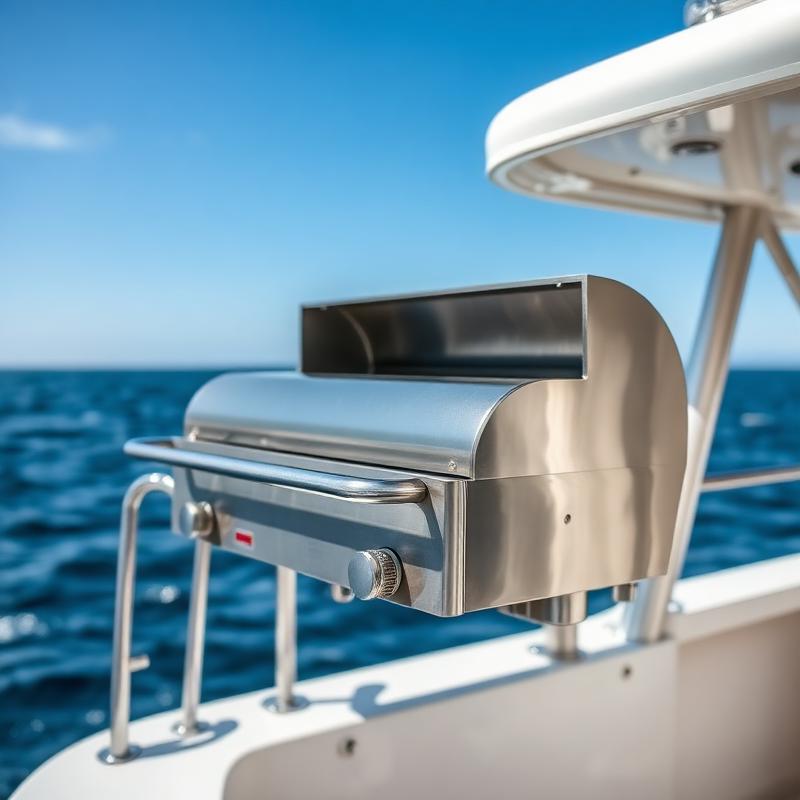
Marine Grill Maintenance: Beating Salt Corrosion
316 vs 304 stainless, the post-cook rinse routine, winterizing, and how to fix rust freckles before they become pitting.
ReadPontoon and Dock Grilling: Setups for Lake Boats and Boathouses
Freshwater changes the rules. Here's how to grill on a pontoon, a dock or a boathouse without ruining the deck.
Read