How to Troubleshoot Pellet Grill Ignition Problems
Nothing kills the excitement of a cook like a pellet grill that won't start. Before calling customer service or ordering parts, work through these diagnostic steps — most ignition failures are caused by ash buildup, damp pellets, or a clogged auger.

Last Updated
Tools & Materials
- Shop vacuum
- Multimeter (optional)
- Replacement hot rod igniter (if needed)
- Long lighter or torch
Step by Step
Check for ash buildup in the fire pot
This is the #1 cause of ignition failure. Remove the grates, drip tray, and heat baffle. Inspect the fire pot — if it's full of ash, the igniter can't reach the pellets. Vacuum out all ash completely.
Inspect the pellets
Remove a handful of pellets from the hopper. Break one in half — it should snap cleanly. If it crumbles or feels soft, the pellets have absorbed moisture. Dump the entire hopper, vacuum it out, and refill with fresh pellets.
Check the hot rod igniter
Start the grill and wait 2-3 minutes. Carefully feel near the fire pot — you should feel heat radiating from the igniter. If it's cold, the igniter has failed. Most hot rod igniters last 1-3 years. Replacements are $15-30 and easy to install.
Clear the auger
If pellets aren't feeding into the fire pot, the auger may be jammed. Most pellet grills have an auger cleanout or you can run the auger in 'prime' mode to clear the blockage. Damp pellets expanding in the auger tube are the usual cause.
Manual light as a workaround
If the igniter is dead and you need to cook NOW: place a small pile of pellets in the fire pot, light them with a torch or long lighter, close the lid, and set your temperature. The grill will feed pellets normally once the initial fire is established.
Check electrical connections
If nothing is working, check that the power cord is firmly connected, the outlet works, and the GFCI hasn't tripped. Inside the grill, check that the igniter wires are connected to the controller.
Warnings
- Never pour lighter fluid into a pellet grill fire pot. The auger tube connects directly to the hopper — you risk a fire that travels back to 20 lbs of fuel.
- If you manually light the fire pot, stand back after closing the lid — the fan can cause a sudden flare.
- Always unplug the grill before inspecting internal wiring or replacing the igniter.
How Often?
Troubleshoot as needed. Prevent issues by vacuuming the fire pot every 3-5 cooks and storing pellets in airtight containers.
Common Questions
Frequently Asked Questions
How long does it take to troubleshoot pellet grill ignition problems?
What tools do I need?
How often should I do this?
What safety issues should I watch for?
Keep Reading
You might also like
How to Replace a Pellet Grill Auger Motor
When your pellets stop feeding, the fix is usually under $40 and 30 minutes of work.
Read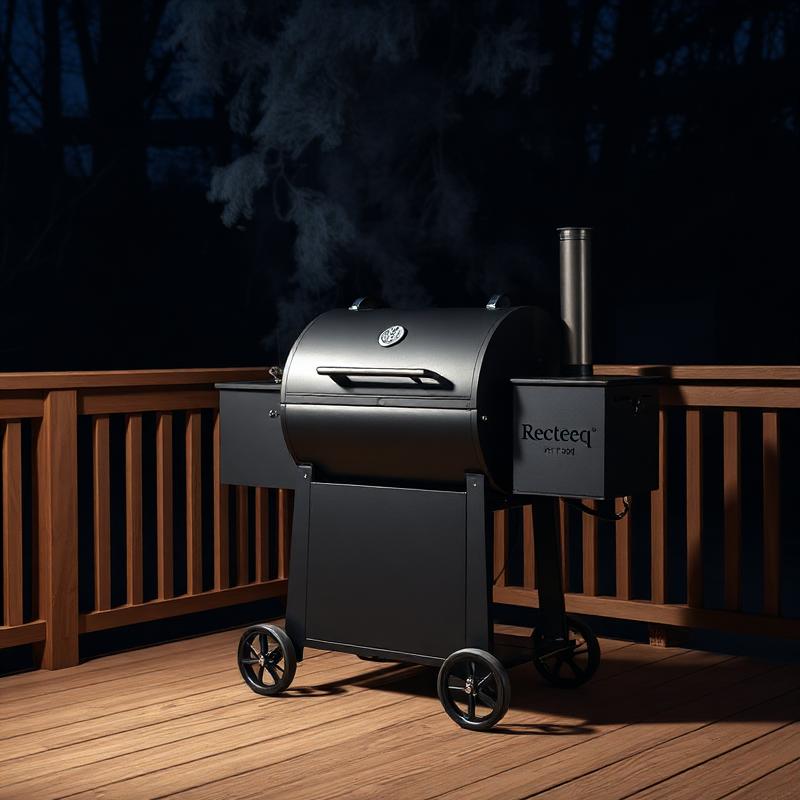
Recteq Bullseye RT-380X
Recteq's compact kettle-style pellet grill. Hits 750°F for genuine searing — the rare pellet grill that can actually grill.
ReadHow to Break In a New Gas Grill
Burn off factory residue and prep your grill for its first real cook.
Read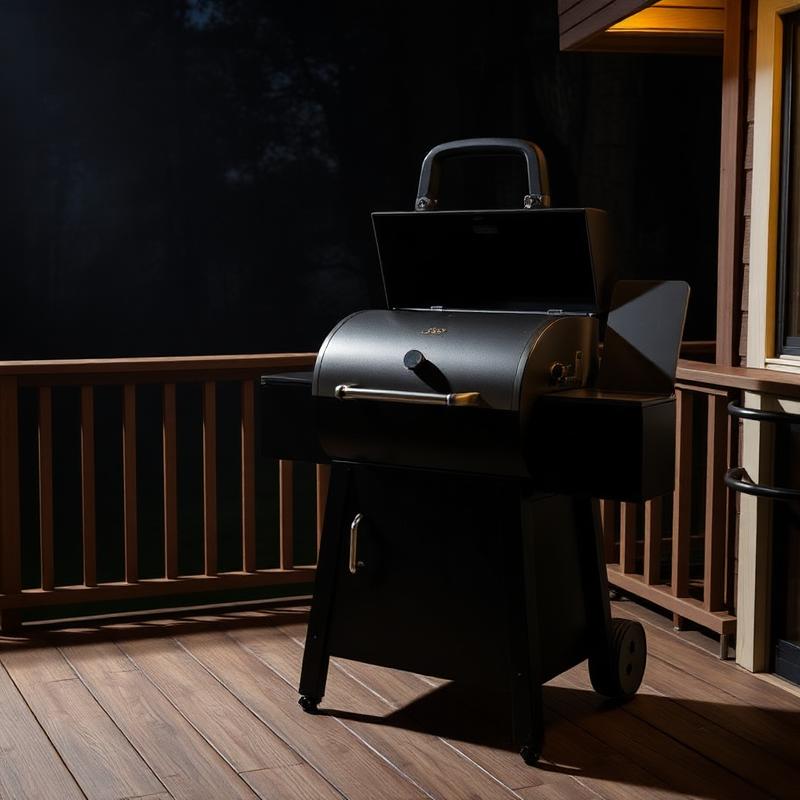
Broil King Regal Pellet 500
The Canadian-engineered pellet grill with a cast iron sear plate and dual-zone cooking that bridges the gap between pellet and gas.
ReadHow to Fix a Gas Grill Igniter That Won't Click
Diagnose and repair the ignition system so you never need a match again.
Read