
American ClassicCharcoal Grill

PK Grills PK300

Last Updated
First Published

FreshThis review was last reviewed on June 23, 2026.
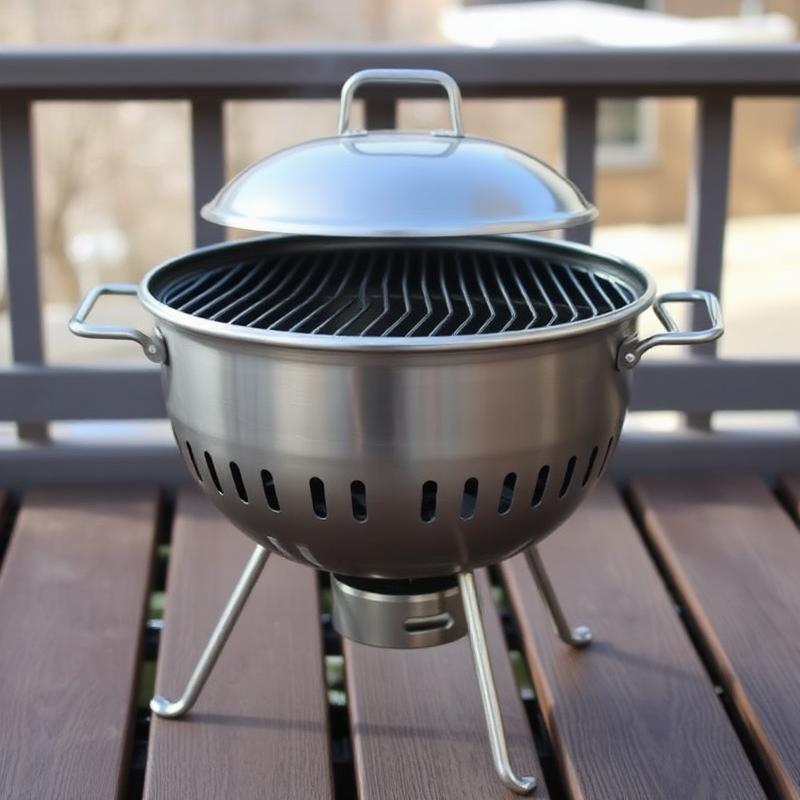
PK Grills PK300 charcoal grill product photo

Pre-PK360, the PK300 was the standard PK design — cast aluminum capsule body, four independent vents, and a removable charcoal grate. It's smaller than the 360, $100 cheaper, and still outperforms most modern charcoal grills.

What We Love

  • +Cast aluminum construction won't rust — ever
  • +Four independent vents = surgical airflow control
  • +Capsule shape creates natural 2-zone cooking
  • +300 sq in cooking area fits 8-10 burgers
  • +Lifetime warranty on the body
  • +Made in the USA

Watch Out For

  • $429 is premium pricing for charcoal
  • Lid doesn't seal as tight as a kamado
  • Smaller than the PK360 (300 vs 360 sq in)
  • Stand sold separately ($129)
  • No built-in thermometer

Specifications

Cooking Area

300 sq in

Material

Cast aluminum

Vents

4 (2 top, 2 bottom)

Weight

45 lbs

Fuel

Charcoal

Warranty

Lifetime body

The Full Review

The PK300 is the original 1950s design that PK Grills has been refining for decades. The capsule shape is the secret — the dome at one end creates indirect heat naturally, while the open end stays hot for direct cooking. You don't need to bank coals; the shape does it for you.

Four independent vents (two top, two bottom) give you airflow control that no kettle can match. Want 225°F for ribs? Close three vents, open one halfway. Want 600°F for steaks? Open everything. The feedback is immediate and precise.

Cast aluminum is the killer feature. My Weber Kettle has rust spots after three Minnesota winters. The PK300 looks brand new. It won't rust. Ever. The lifetime warranty on the body is real — PK still services 60-year-old units.

The lid doesn't have the airtight gasket of a kamado, so it's not quite as fuel-efficient. Plan on about 1.5x the lump charcoal of an equivalent kamado cook. The trade-off is faster preheating and easier temperature changes.

How Does It Compare?

At a glance against its closest charcoal grill rivals.

GrillRatingPriceBest For
PK Grills PK300 (this) 4.6$429The cast aluminum classic — capsule-shaped, four-vent airflow, and a 50-year-old American design that still outperforms most modern charcoal grills.
Weber Performer Deluxe 4.7$399Everything great about the Original Kettle plus a worktable, charcoal storage bin, and gas-assisted ignition.
PK Grills PK360 4.5$499Built like a tank from thick cast aluminum.

Who Is It For?

Charcoal traditionalists who want a grill that'll outlast them. Cooks who want better airflow control than a kettle without the kamado price tag. Anyone tired of replacing rusted grills every 5-7 years.

Final Verdict

The PK300 at $429 is the charcoal grill you buy once. The cast aluminum body and lifetime warranty mean this thing genuinely outlasts everything else. If you don't need the extra 60 sq in of the PK360, save $100 and get this.

Check Price on Amazon
Common Questions

Frequently Asked Questions

Is the PK Grills PK300 worth the price?
The PK300 at $429 is the charcoal grill you buy once. The cast aluminum body and lifetime warranty mean this thing genuinely outlasts everything else. If you don't need the extra 60 sq in of the PK360, save $100 and get this. At $429, it earns its sticker — the build quality and feature set justify the cost for the right buyer.
Who is the PK Grills PK300 best for?
Charcoal traditionalists who want a grill that'll outlast them. Cooks who want better airflow control than a kettle without the kamado price tag. Anyone tired of replacing rusted grills every 5-7 years.
What are the biggest strengths of the PK Grills PK300?
The standout strengths: Cast aluminum construction won't rust — ever; Four independent vents = surgical airflow control; Capsule shape creates natural 2-zone cooking. Also worth noting: 300 sq in cooking area fits 8-10 burgers.
What are the downsides of the PK Grills PK300?
The honest trade-offs: $429 is premium pricing for charcoal; Lid doesn't seal as tight as a kamado; Smaller than the PK360 (300 vs 360 sq in). None are dealbreakers for most buyers, but worth knowing before you commit.
What's the warranty on the PK Grills PK300?
PK Grills PK300 ships with a Lifetime body warranty. Coverage details vary by component — check the manufacturer's terms for what's covered (cookbox, burners, grates) and for how long.
Where is the best place to buy the PK Grills PK300?
Amazon typically has the most competitive price and fastest shipping for the PK Grills PK300. Check the manufacturer's site for occasional direct sales, and big-box stores (Home Depot, Lowe's) if you want to inspect one in person before buying.

From around the web

More about charcoal grills

Is charcoal grilling really better than gas?
For flavor — yes, demonstrably. Charcoal burns hotter (700°F+) and produces aromatic compounds that gas can't replicate. The trade-off is time: 20-30 minutes to light coals vs. 8 minutes to preheat gas. Most charcoal lovers keep a gas grill for weeknights and break out the charcoal on weekends.
How long does charcoal stay hot in a grill?
A full chimney of lump charcoal burns hot (500-700°F) for about 45-60 minutes, then settles into a 300-400°F window for another hour. With vents managed properly and the lid down, a Weber Kettle can hold 225°F for 8+ hours using the snake method.
Lump charcoal vs. briquettes — what's the difference?
Lump is pure charred wood: burns hotter, faster, and cleaner with more wood flavor. Briquettes are compressed charcoal dust + binders: burn longer and more evenly but produce more ash and a slightly chemical taste. Briquettes win for low-and-slow; lump wins for searing.
Do you close the lid when grilling with charcoal?
Yes, almost always. The lid traps heat and turns your grill into a convection oven, cooking food evenly from all sides instead of just the bottom. Only leave it open for very thin items (under 1 inch) where you want pure direct radiant heat.