Last Updated
Why Weatherproofing Determines Lifespan
An outdoor kitchen in Arizona fails differently than one in Minnesota. Sun degrades seals and fades finishes. Rain finds every gap. Snow and freeze-thaw cycles crack masonry and warp cabinets. Wind drives water and debris into protected areas.
Weatherproofing is not one product — it is a system. Roofs, covers, drainage, ventilation, and seasonal maintenance all work together. Skipping any layer accelerates wear on the others.
Pro Tip: Design for the worst weather your area sees, not the average day. The once-a-year storm is what destroys poorly protected kitchens.
Roofs, Pergolas, and Covers
A full roof or pavilion offers the best protection. It blocks UV, keeps rain off appliances, and makes the kitchen usable in light rain. Costs range from $8,000–$30,000+ depending on size and materials.
A pergola with a retractable canopy provides shade and partial rain protection. It is less expensive than a full roof but must be closed before storms.
A solid pergola without a canopy provides shade only. It works in dry climates but offers little weather protection.
Cantilever umbrellas and grill covers are the minimum viable protection. Quality grill covers cost $50–$200 and should be breathable to prevent condensation.
Any roof over a grill must include ventilation. Smoke and heat accumulation under a solid roof create a fire and air-quality hazard.
Pro Tip: Include at least 12-inch overhangs on all sides of a roof. Rain hitting the roof edge splashes inward 6–8 inches.
Ventilation and Smoke Management
Covered outdoor kitchens need a way for smoke, heat, and grease-laden air to escape. Open sides help, but fully or partially enclosed kitchens require mechanical exhaust.
Outdoor-rated hoods with fans move 1,200–2,000 cubic feet per minute and typically cost $1,500–$5,000 installed. They are essential if the kitchen sits under a solid roof or near windows and doors.
Prevailing wind matters. Position the grill so smoke blows away from seating areas and the house. In some yards, this single decision matters more than any hood.
Grease fires are a real risk under covered kitchens. Keep a Class K or all-purpose fire extinguisher accessible, and clean hood filters and surfaces regularly.
Pro Tip: Test smoke flow with a few test cooks before finalizing the layout. Watch where smoke goes on calm days and windy days.
Drainage and Water Management
Countertops and floors must slope away from the cooking area at least 1/4 inch per foot. Standing water damages cabinets, creates slipping hazards, and accelerates appliance corrosion.
Include a floor drain if local code allows. It is the fastest way to clear rain or spilled water from the kitchen area.
Seal all penetrations where utilities enter the island. Water follows pipes and conduit into cabinets. Use outdoor-rated sealants and gaskets.
In cold climates, water lines must be drainable. PEX lines with accessible shut-offs and drain points prevent freeze damage.
Pro Tip: Pour the concrete pad or lay pavers with slope in mind. Fixing drainage after construction is expensive.
Winterization for Cold Climates
In climates with freezing temperatures, winterization is mandatory. The process typically includes:
- Shutting off and draining water lines - Shutting off gas at individual appliances - Emptying and unplugging the refrigerator - Covering or storing removable appliances - Cleaning and covering the grill - Removing propane tanks and storing them upright and ventilated - Checking seals and caulking before spring
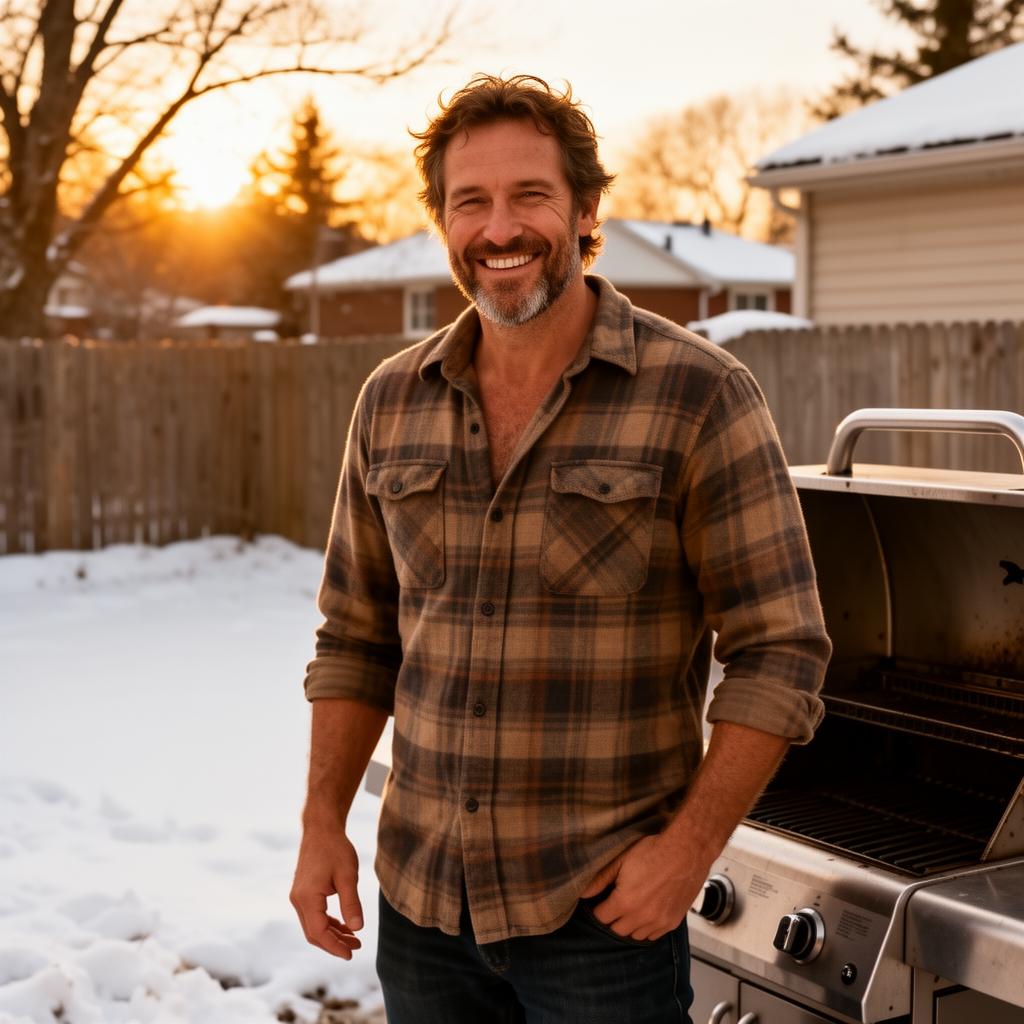
Outdoor kitchens in cold climates are usable through much of winter if designed for it. A covered pavilion, windbreaks, and a grill that lights reliably in cold weather extend the season significantly.
Never pre-warm propane cylinders indoors. Store them outside in an upright, ventilated location. In extreme cold, propane tank pressure drops; follow manufacturer and PERC guidance for safe cold-weather use.
Pro Tip: Schedule winterization on the same weekend you winterize lawn equipment. Linking it to an existing habit makes it more likely to happen.
Covers and Seasonal Maintenance
Even with a roof, quality covers extend appliance life. Look for covers that are water-resistant, UV-stabilized, and breathable. Non-breathable covers trap moisture and cause corrosion.
Clean covers periodically. Mold and mildew that grow on covers can transfer to appliances and cabinets.
Inspect seals, gaskets, and caulking annually. Silicone caulking around counters and backsplashes degrades in 2–5 years depending on sun exposure.
Polish stainless steel once or twice a year. It removes surface oxidation and restores the protective layer. Use a product recommended by the appliance manufacturer.
Document the kitchen annually with photos. Insurance claims and resale both benefit from a clear maintenance record.
Pro Tip: Buy covers from the appliance manufacturer when available. They are cut for vents and handles, which improves fit and airflow.
Ready to find your perfect grill?
Browse All Reviews →