
Last Updated
Why Cold Weather Grilling Is Different
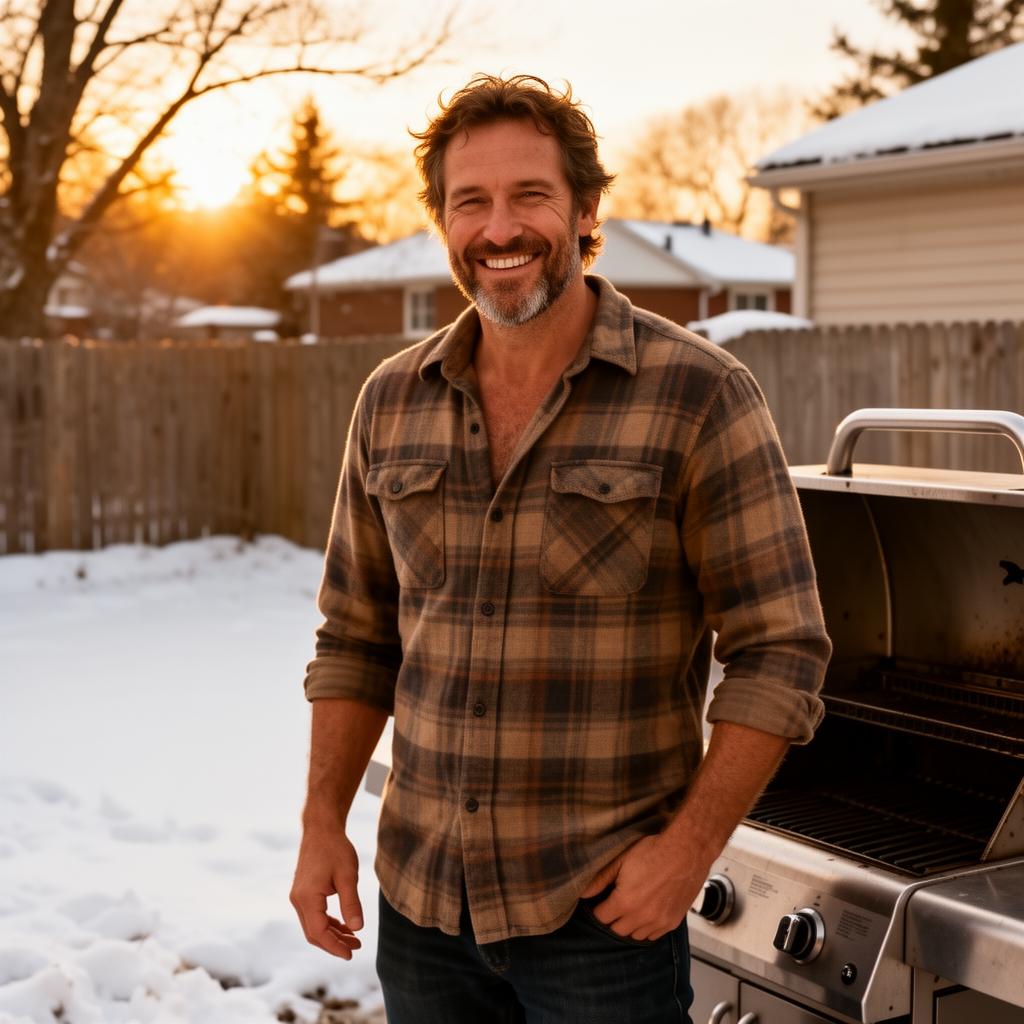
Grilling in Minnesota taught me that cold weather changes everything. Your grill loses heat faster, fuel burns quicker, and your food takes longer to cook. But the results can actually be better — cold, dense air carries more oxygen, which means cleaner combustion and better smoke flavor.
The key is preparation. You can grill at -20°F if you plan for it. Your neighbors will think you're crazy. They'll also want to eat your food.
Pro Tip: Wind is a bigger enemy than cold. A 15 mph wind at 30°F steals more heat than still air at -10°F. Position your grill against a windbreak.
Fuel Consumption Increases 25-50%
Plan for significantly more fuel in cold weather. Charcoal grills need 25-30% more briquettes. Pellet grills burn through pellets 30-50% faster. Gas grills use more propane because the regulator has to work harder.
For pellet grills: fill the hopper completely and keep a backup bag nearby. Running out of pellets mid-cook in January is a disaster.
For charcoal: start with 50% more than you'd normally use and have a backup chimney ready.
Preheat Time Doubles
A grill that preheats in 10 minutes in July takes 20+ minutes in January. The metal body is ice-cold and absorbs massive amounts of heat before stabilizing.
For kamado grills, preheat slowly — rapid temperature changes can crack ceramic in freezing weather. Bring the temp up gradually over 30-45 minutes.
For gas grills, run all burners on high for 15-20 minutes before adjusting to cooking temperature.
Keep the Lid Closed
Every time you open the lid in cold weather, you lose 50-100°F of heat — much more than in summer. Recovery takes 5-10 minutes. This means:
- Use a wireless meat thermometer so you don't need to open the lid to check temps - Have all your tools, sauces, and supplies ready before you start - Flip and move food quickly when the lid is open - Trust the process and resist the urge to peek
Pro Tip: A MEATER or ThermoWorks Smoke wireless thermometer is essential for cold weather grilling. Remote monitoring means the lid stays closed.
Cold Weather Grill Rankings
**Best in cold weather:** 1. Kamado grills — ceramic insulation laughs at cold temps 2. Insulated pellet grills (Yoder, Traeger Timberline) — double-walled steel helps 3. Weber Kettle with Slow 'N Sear — small, efficient, easy to fuel
**Worst in cold weather:** 1. Thin-steel pellet grills — lose heat rapidly, burn pellets fast 2. Large gas grills — massive surface area = massive heat loss 3. Flat-top griddles — open cooking surface gets destroyed by wind
Ready to find your perfect grill?
Browse All Reviews →