Otto Wilde OFB Steakmaker

Last Updated
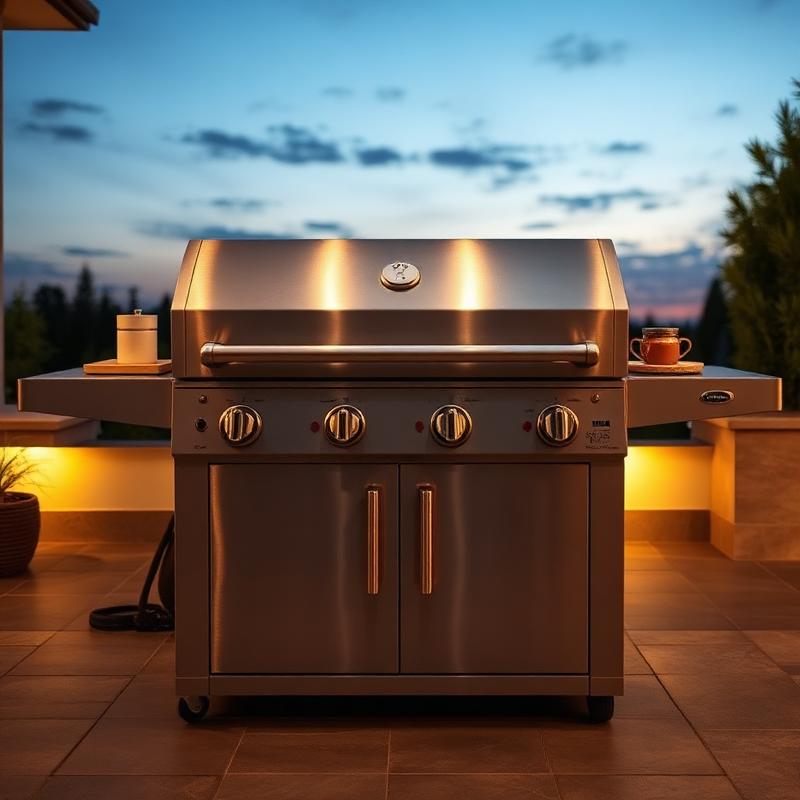
The Otto Wilde OFB is unlike any other grill on this list. It's a tabletop overhead infrared cooker that hits 1500°F at the cooking surface. The heating element is above the food, not below, which means you sear from the top down — exactly like the broilers used in steakhouses. The crust it produces is genuinely better than anything a conventional grill can do.
What We Love
- +Hits 1500°F at the cooking surface
- +Top-down infrared sears without flare-ups
- +Adjustable cooking grate height (5 positions)
- +Uses standard 1-lb propane canisters or external tank
- +Compact tabletop footprint
- +Unmatched crust on steaks, chops, and fish
Watch Out For
- −Single-purpose tool — sears only, can't do indirect cooking
- −Pricey for what is essentially a specialty appliance
- −Propane consumption is high during sears
- −Cooking grate gets brutally hot — leather welder gloves required
Specifications
Max Temperature
1500°F at grate level
Heating Method
Top-down ceramic infrared
Cooking Area
138 sq in (10" x 14")
Fuel
1-lb propane canister or external 20-lb tank
Heat-up Time
3 minutes to full temperature
Weight
31 lbs
The Full Review
The first time you cook a steak on the Otto Wilde, you understand what every steakhouse has known for decades — top-down infrared at 1500°F produces a crust that conventional grills physically cannot replicate. The Maillard reaction happens almost instantly across the entire surface, while the interior stays untouched.
A 1.5-inch ribeye gets a perfect crust in 90 seconds per side, with the interior temperature rising maybe 15°F. You can pull it at exactly the doneness you want, with a crust that snaps under the knife. No conventional grill — gas, charcoal, pellet — can match this.
The operation is dead simple. Slide the cooking drawer in and out to control sear time. Five height positions let you adjust how aggressive the sear is. The ceramic infrared elements heat up in three minutes flat from cold start.
This is not a do-everything grill. You can't cook a chicken on it (the cooking area is too small and the heat is too aggressive). You can't smoke a brisket. What you can do is finish reverse-seared steaks, sear scallops, char fish skin, and produce restaurant-quality crusts on anything that needs them.
Most serious cooks who buy the Otto Wilde keep it as a complement to their primary grill — reverse-sear a steak on the pellet grill, finish on the Otto for the crust. Used this way, it's transformative.
How Does It Compare?
At a glance against its closest overhead infrared grill rivals.
| Grill | Rating | Price | Best For |
|---|---|---|---|
| Otto Wilde OFB Steakmaker (this) | 4.7 | $799 | 1500°F overhead infrared. |
| Dickinson Sea-B-Que 180 Marine Grill | 4.4 | $799 | The bluewater cruiser's grill — heavy 316 stainless, plumbs into an onboard propane system, and shrugs off ocean passages. |
| Magma Catalina 2 Infrared Marine Grill | 4.6 | $639 | The big-boat grill — infrared burner, 162 sq in of 316 stainless, and enough output to feed a full cockpit without flare-ups. |
Who Is It For?
Steak enthusiasts who want true steakhouse crust at home. Reverse-sear devotees looking for the perfect finishing tool. Anyone with a primary grill who wants to add specialized searing capability without buying a built-in infrared.
Final Verdict
The Otto Wilde OFB is the best searing tool you can buy for under $1,000. It's a specialist instrument, not a general-purpose grill. If you appreciate a great steak crust, it's a revelation. If you mostly cook burgers and chicken, skip it.
Check Price on Amazon
