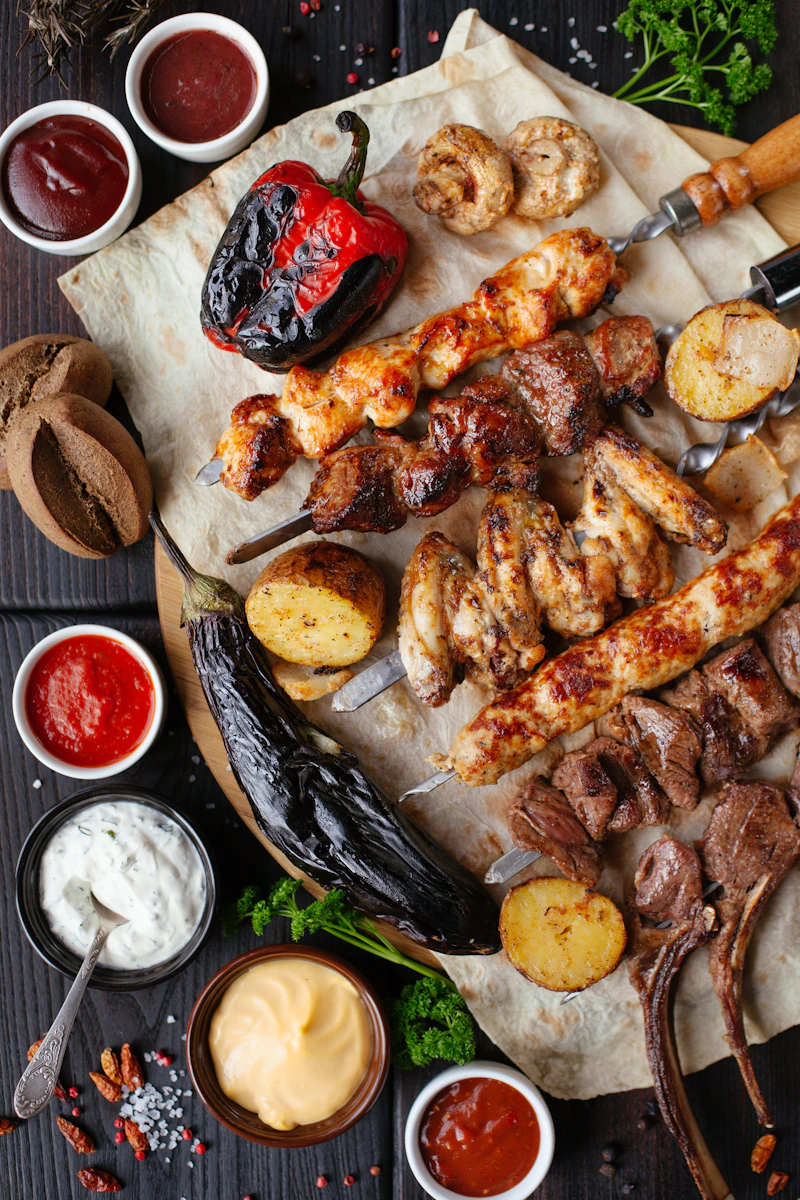
Ultimate Grilled Vegetables Platter
Great grilled vegetables aren't an afterthought — they're a destination. The key is cutting everything to the right thickness, using enough oil, and knowing that different vegetables need different heat levels. This platter approach lets you grill a variety and serve it as a stunning centerpiece.

Last Updated
Ingredients
- 2 large zucchini, sliced lengthwise 1/2" thick
- 2 bell peppers (red and yellow), quartered and seeded
- 1 large eggplant, sliced into 1/2" rounds
- 1 bunch asparagus, trimmed
- 1 red onion, sliced into 1/2" rings (skewered or in a basket)
- 8 oz whole mushrooms
- Olive oil (generous)
- Kosher salt and black pepper
- 2 cloves garlic, minced
- Fresh herbs (basil, thyme, or oregano)
- Balsamic glaze for drizzling
- Flaky sea salt for finishing
Step by Step
Cut for the grill
The golden rule: cut thick enough not to fall through the grates (minimum 1/2"), but thin enough to cook through before burning. Planks and rounds work best. Skewer small items like mushrooms and onion rings.
Oil generously and season
Toss all vegetables in a large bowl with generous olive oil, minced garlic, salt, and pepper. Don't be stingy with the oil — it prevents sticking, promotes browning, and carries flavor. Every surface should glisten.
Grill dense vegetables first
Start with eggplant and onions — they take longest (5-6 min per side). Bell peppers go next (4-5 min per side). Arrange on the grill with plenty of space between pieces.
Add quick-cooking vegetables
Zucchini and mushrooms need 3-4 minutes per side. Asparagus needs just 2-3 minutes total, rolling occasionally. Everything should have clear grill marks and slight char.
Arrange the platter
Layer grilled vegetables on a large serving platter. Drizzle with balsamic glaze, scatter fresh herbs, and finish with flaky sea salt. Serve warm or at room temperature — both are excellent.
Pro Tips
- A grill basket or grill mat is essential for small items like mushrooms and asparagus. Don't risk losing them through the grates.
- Salt vegetables AFTER grilling, not before. Pre-salting draws out moisture and prevents browning.
- Grilled vegetables are incredible the next day in sandwiches, pasta, or grain bowls.
- For a smoky twist, add a few wood chips to your gas grill or toss a chunk of hickory on your charcoal.
Common Questions
Frequently Asked Questions
How long does Ultimate Grilled Vegetables Platter take to cook?
What's the single most important tip?
Keep Reading
You might also like
How to Grill Fish Without It Sticking
The 7 rules that turn fish from a grill-grate disaster into a restaurant-quality presentation.
Read
Grilled Avocado
Smoky, creamy, and unexpectedly transformative. The side dish that steals the show.
ReadHow to Break In a New Gas Grill
Burn off factory residue and prep your grill for its first real cook.
Read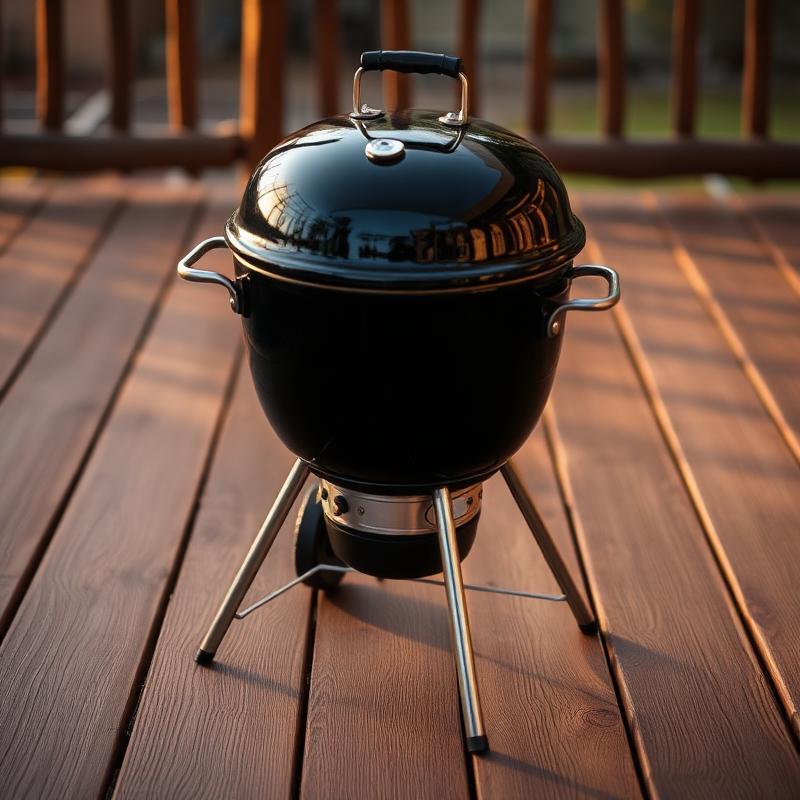
Everdure HUB II Charcoal Grill
Heston Blumenthal's electric-ignition charcoal grill. Lit and ready to cook in 10 minutes — the charcoal grill that finally solves the lighting problem.
Read