Pro ChoiceAccessory

ThermoWorks Signals 4-Channel

Last Updated
First Published

Recently reviewedThis review was last reviewed on May 28, 2026.
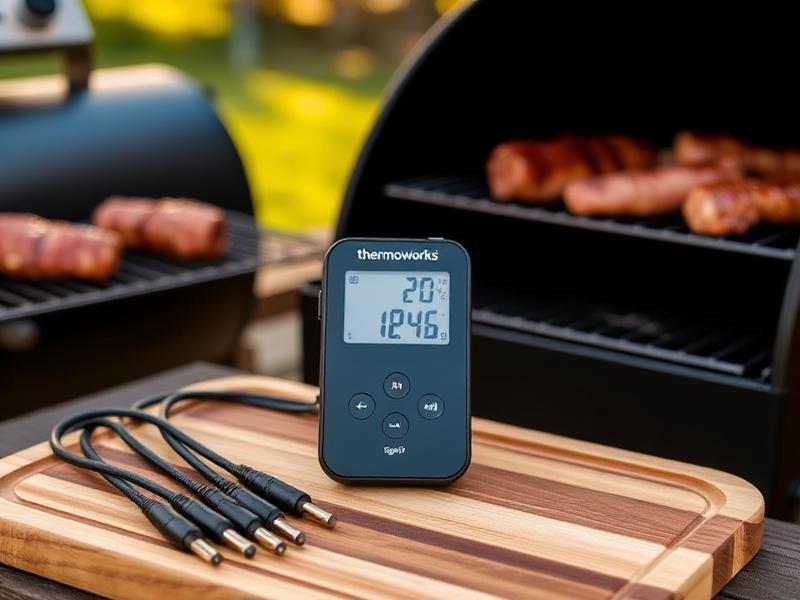
ThermoWorks Signals 4-Channel accessory product photo

If the Thermapen ONE is the best instant-read, the ThermoWorks Signals is the best leave-in thermometer. Four channels, WiFi + Bluetooth connectivity, and the same accuracy ThermoWorks is famous for.

What We Love

  • +4 simultaneous probe channels
  • +WiFi + Bluetooth dual connectivity
  • +±1.8°F accuracy on all channels
  • +Rechargeable battery lasts 16+ hours
  • +Splash-proof (IP66)
  • +Min/max temperature alarms per channel

Watch Out For

  • $229 is premium pricing
  • Base unit is bulky
  • WiFi setup requires 2.4GHz network
  • Probes sold separately after initial 4

Specifications

Channels

4 (expandable)

Connectivity

WiFi + Bluetooth

Accuracy

±1.8°F

Battery

Rechargeable, 16+ hours

Waterproof

IP66

Warranty

3 years

The Full Review

The Signals is designed for long cooks where you need to monitor multiple pieces of meat simultaneously. I run it on every brisket, pork butt, and turkey cook — one probe in the meat, one on the grate, and two more tracking whatever else is in the smoker.

WiFi connectivity means unlimited range. I get alerts on my phone from anywhere — the grocery store, the gym, bed at 3 AM during an overnight brisket. Bluetooth serves as a backup when WiFi is spotty.

The rechargeable battery lasts 16+ hours, which covers even the longest overnight cooks. The base unit has a clear, readable display showing all four channels simultaneously. Alarm thresholds are set per channel, so you can target 203°F on brisket while alerting at 165°F on chicken.

At $229, it's the most expensive consumer thermometer I've tested. But for anyone doing regular long smokes, it pays for itself in saved meat and sleep.

Who Is It For?

Serious smoker enthusiasts running multi-hour cooks. Competition BBQ teams. Anyone who wants set-it-and-forget-it temperature monitoring with bulletproof connectivity.

Final Verdict

The ThermoWorks Signals is the best multi-channel thermometer available. The $229 price is justified by WiFi connectivity, 4 channels, and ThermoWorks' unmatched accuracy and build quality.

Check Price on Amazon
Common Questions

Frequently Asked Questions

Is the ThermoWorks Signals 4-Channel worth the price?
The ThermoWorks Signals is the best multi-channel thermometer available. The $229 price is justified by WiFi connectivity, 4 channels, and ThermoWorks' unmatched accuracy and build quality. At $229, it earns its sticker — the build quality and feature set justify the cost for the right buyer.
Who is the ThermoWorks Signals 4-Channel best for?
Serious smoker enthusiasts running multi-hour cooks. Competition BBQ teams. Anyone who wants set-it-and-forget-it temperature monitoring with bulletproof connectivity.
What are the biggest strengths of the ThermoWorks Signals 4-Channel?
The standout strengths: 4 simultaneous probe channels; WiFi + Bluetooth dual connectivity; ±1.8°F accuracy on all channels. Also worth noting: Rechargeable battery lasts 16+ hours.
What are the downsides of the ThermoWorks Signals 4-Channel?
The honest trade-offs: $229 is premium pricing; Base unit is bulky; WiFi setup requires 2.4GHz network. None are dealbreakers for most buyers, but worth knowing before you commit.
What's the warranty on the ThermoWorks Signals 4-Channel?
ThermoWorks Signals 4-Channel ships with a 3 years warranty. Coverage details vary by component — check the manufacturer's terms for what's covered (cookbox, burners, grates) and for how long.
Where is the best place to buy the ThermoWorks Signals 4-Channel?
Amazon typically has the most competitive price and fastest shipping for the ThermoWorks Signals 4-Channel. Check the manufacturer's site for occasional direct sales, and big-box stores (Home Depot, Lowe's) if you want to inspect one in person before buying.

From around the web

More about accessorys

Are gas grills worth it?
For most backyard cooks, yes. Gas grills heat up in under 10 minutes, hold steady temperatures with a single knob, and require almost zero learning curve. You give up the smoky flavor and high-heat searing of charcoal, but gain weeknight convenience that gets you grilling 3x more often. If you cook 2+ times a week, a gas grill pays you back in time saved.
How many BTUs do I really need in a gas grill?
Most home cooks need 80-100 BTUs per square inch of cooking surface — not the highest-BTU grill you can find. Build quality, heat distribution, and lid insulation matter far more than raw BTU numbers. A well-built 32,000 BTU grill outperforms a flimsy 60,000 BTU one.
How long should a gas grill last?
A quality gas grill (Weber, Napoleon, Broil King) should last 10-15 years with basic maintenance: cover it, clean the grates, replace burners every 5-7 years. Cheap big-box grills typically rust through in 2-3 seasons.
Propane or natural gas — which is better?
Natural gas is cheaper per cook and never runs out mid-cook, but requires a gas line installed at the grill location. Propane is more flexible (move the grill anywhere) but costs more per BTU and you'll occasionally run out. If you grill in a fixed spot, natural gas wins long-term.