Safety FirstAccessory

Artisan Griller Heat-Resistant Gloves

Last Updated
First Published

ReviewedThis review was last reviewed on April 5, 2026.
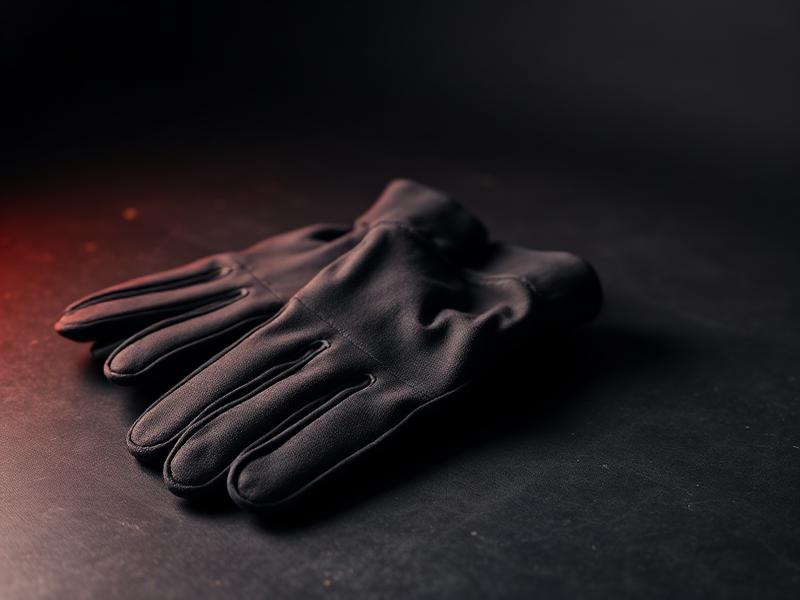
Artisan Griller Heat-Resistant Gloves accessory product photo

Most BBQ gloves are either too stiff to use or not heat-resistant enough to trust. The Artisan Griller gloves thread the needle — flexible enough to grip, rated to 932°F.

What We Love

  • +932°F heat resistance
  • +Flexible enough for dexterous work
  • +Silicone grip pattern
  • +Machine washable
  • +Long cuff protects forearms
  • +Ambidextrous design

Watch Out For

  • Not waterproof — steam will burn through
  • Sizing runs large
  • Grip decreases when greasy
  • Will stain permanently

Specifications

Heat Rating

932°F

Material

Aramid fiber with silicone grip

Cuff Length

Extended forearm coverage

Care

Machine washable

Sizing

One size (runs large)

The Full Review

I use these gloves every time I handle hot grates, move charcoal baskets, or adjust the Slow 'N Sear in my Weber Kettle. The 932°F rating gives me confidence to work around intense heat.

The key is the flexibility. Cheap gloves are like oven mitts — you can grab things but you can't manipulate them. These have individual fingers and enough dexterity to grip tongs, pick up grates, and adjust dampers.

The silicone grip pattern helps with wet or greasy items, though it's not perfect. For pulling pork or handling a wet brisket wrap, they're adequate but not ideal.

Important caveat: they're not waterproof. Steam will transfer heat right through the fabric. Use separate waterproof gloves for handling hot, wet items like foil-wrapped brisket.

Who Is It For?

Anyone who works around hot grills, especially kamado and offset smoker users. Charcoal grillers who handle hot grates and baskets. Safety-conscious cooks who want forearm protection.

Final Verdict

At $16, the Artisan Griller gloves are a no-brainer safety upgrade. They won't last forever, but they'll protect your hands through hundreds of cooks. Buy two pairs.

Check Price on Amazon
Common Questions

Frequently Asked Questions

Is the Artisan Griller Heat-Resistant Gloves worth the price?
At $16, the Artisan Griller gloves are a no-brainer safety upgrade. They won't last forever, but they'll protect your hands through hundreds of cooks. Buy two pairs. At $16, value depends on your priorities; check the pros and cons above before deciding.
Who is the Artisan Griller Heat-Resistant Gloves best for?
Anyone who works around hot grills, especially kamado and offset smoker users. Charcoal grillers who handle hot grates and baskets. Safety-conscious cooks who want forearm protection.
What are the biggest strengths of the Artisan Griller Heat-Resistant Gloves?
The standout strengths: 932°F heat resistance; Flexible enough for dexterous work; Silicone grip pattern. Also worth noting: Machine washable.
What are the downsides of the Artisan Griller Heat-Resistant Gloves?
The honest trade-offs: Not waterproof — steam will burn through; Sizing runs large; Grip decreases when greasy. None are dealbreakers for most buyers, but worth knowing before you commit.
Where is the best place to buy the Artisan Griller Heat-Resistant Gloves?
Amazon typically has the most competitive price and fastest shipping for the Artisan Griller Heat-Resistant Gloves. Check the manufacturer's site for occasional direct sales, and big-box stores (Home Depot, Lowe's) if you want to inspect one in person before buying.

From around the web

More about accessorys

Are gas grills worth it?
For most backyard cooks, yes. Gas grills heat up in under 10 minutes, hold steady temperatures with a single knob, and require almost zero learning curve. You give up the smoky flavor and high-heat searing of charcoal, but gain weeknight convenience that gets you grilling 3x more often. If you cook 2+ times a week, a gas grill pays you back in time saved.
How many BTUs do I really need in a gas grill?
Most home cooks need 80-100 BTUs per square inch of cooking surface — not the highest-BTU grill you can find. Build quality, heat distribution, and lid insulation matter far more than raw BTU numbers. A well-built 32,000 BTU grill outperforms a flimsy 60,000 BTU one.
How long should a gas grill last?
A quality gas grill (Weber, Napoleon, Broil King) should last 10-15 years with basic maintenance: cover it, clean the grates, replace burners every 5-7 years. Cheap big-box grills typically rust through in 2-3 seasons.
Propane or natural gas — which is better?
Natural gas is cheaper per cook and never runs out mid-cook, but requires a gas line installed at the grill location. Propane is more flexible (move the grill anywhere) but costs more per BTU and you'll occasionally run out. If you grill in a fixed spot, natural gas wins long-term.